Gorge Walk in Isalo & Lemur Picnic.

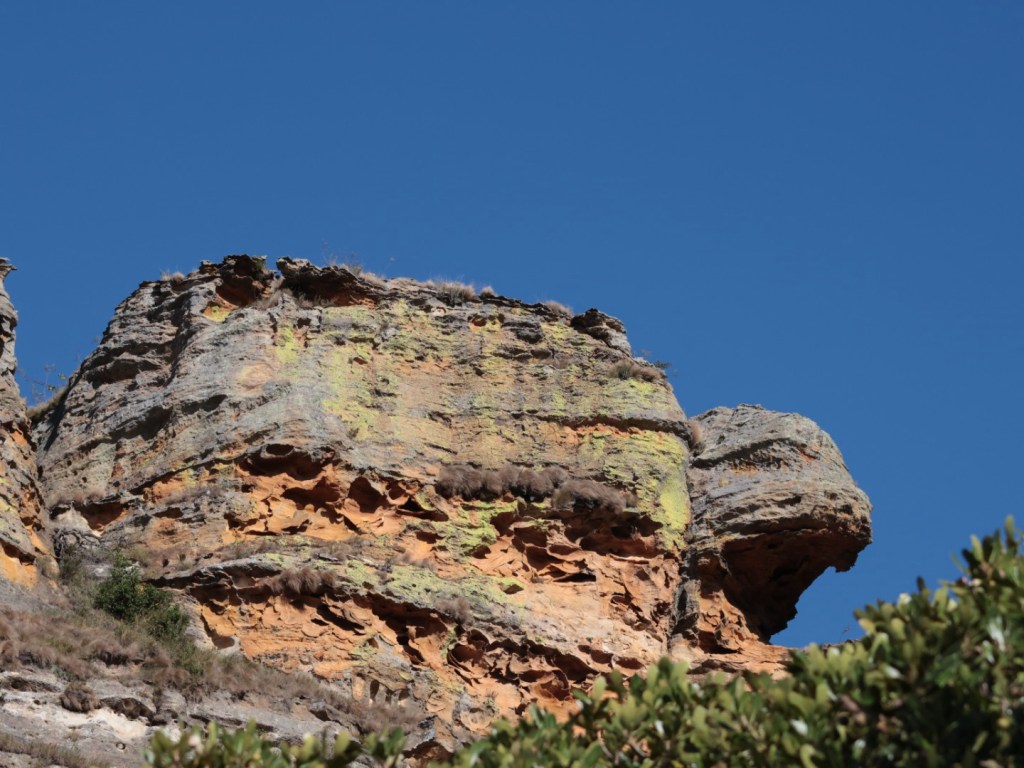
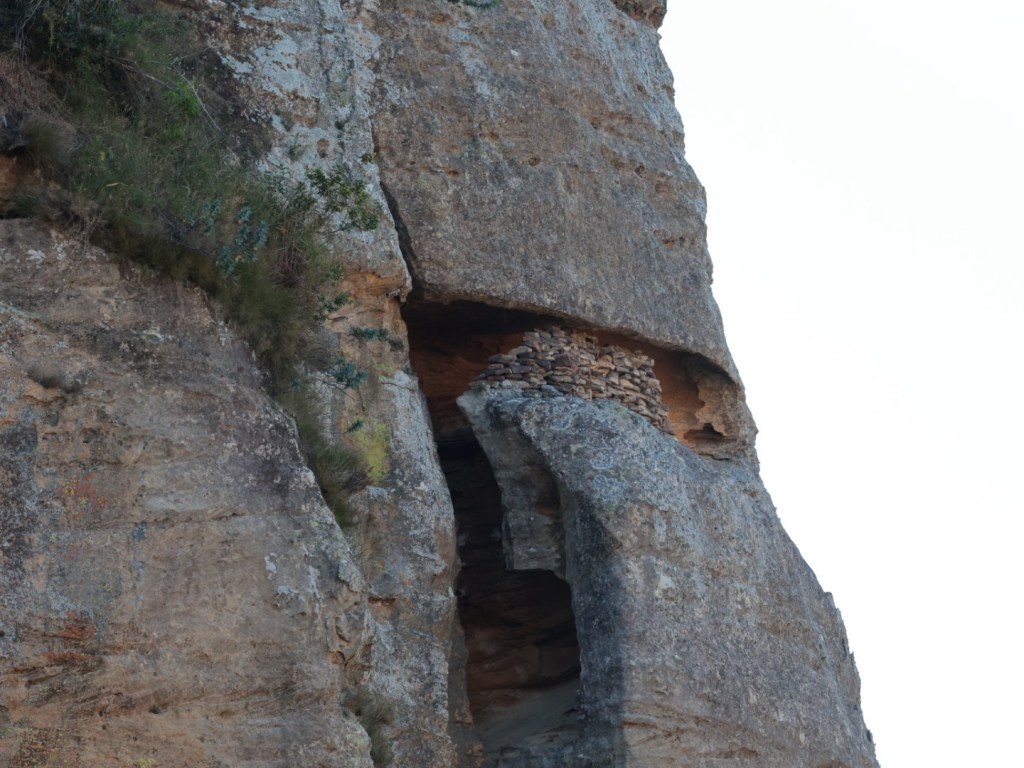
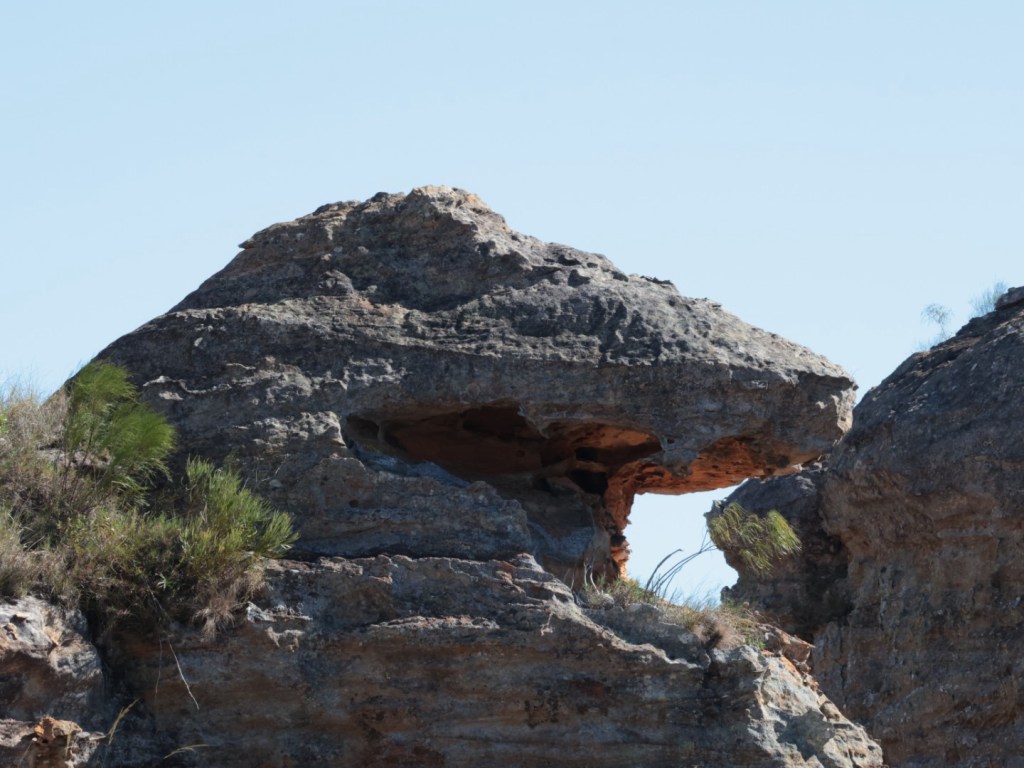
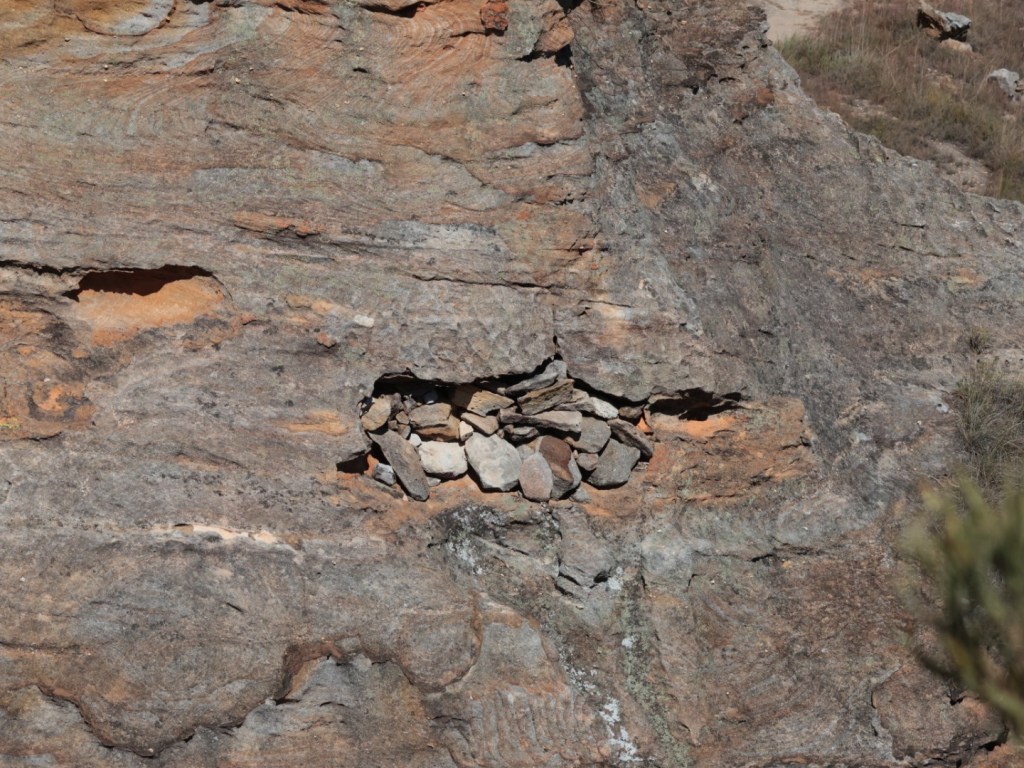
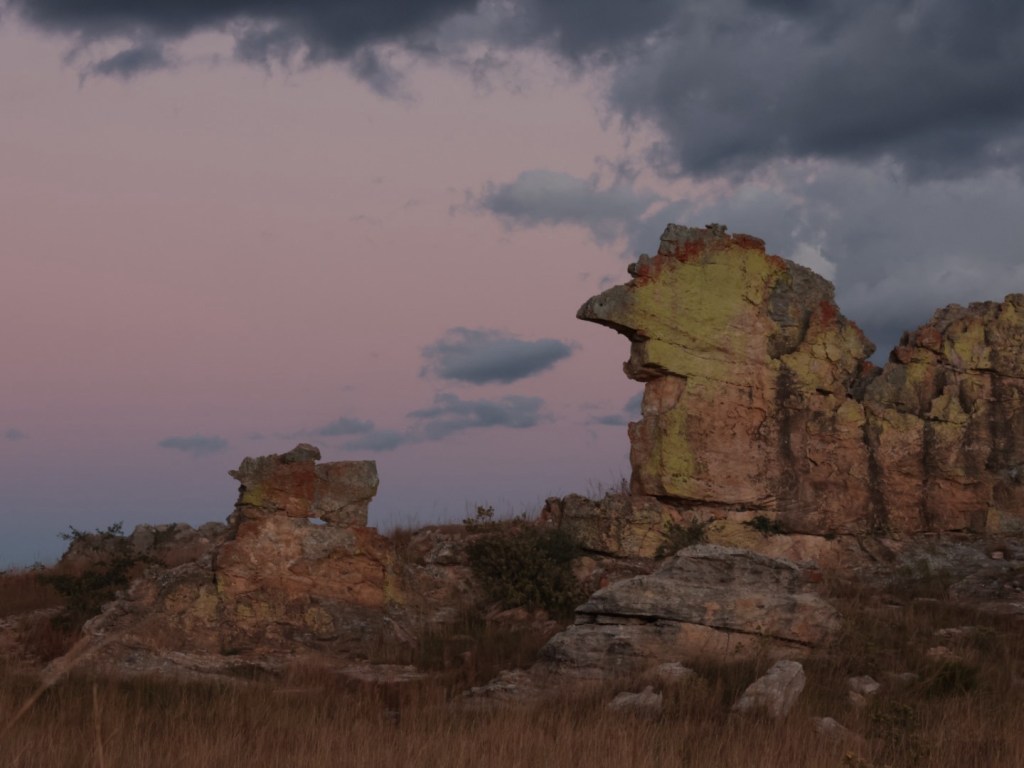
Turtle shape in the rocks
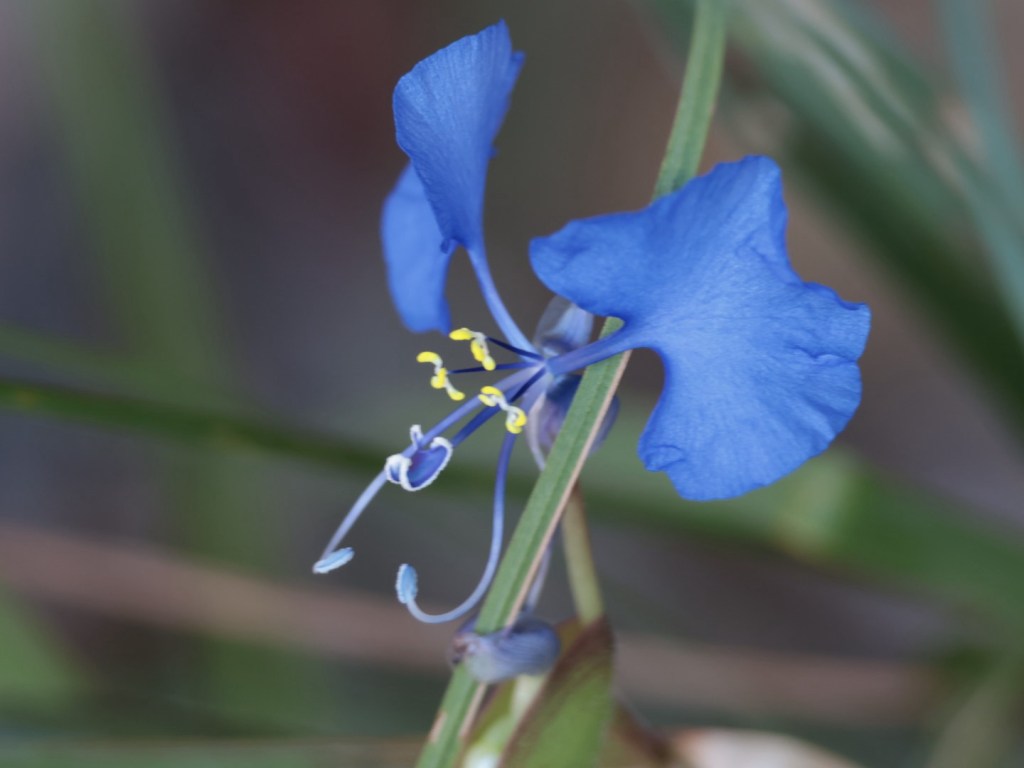






Brilliant blue butterfly # 1

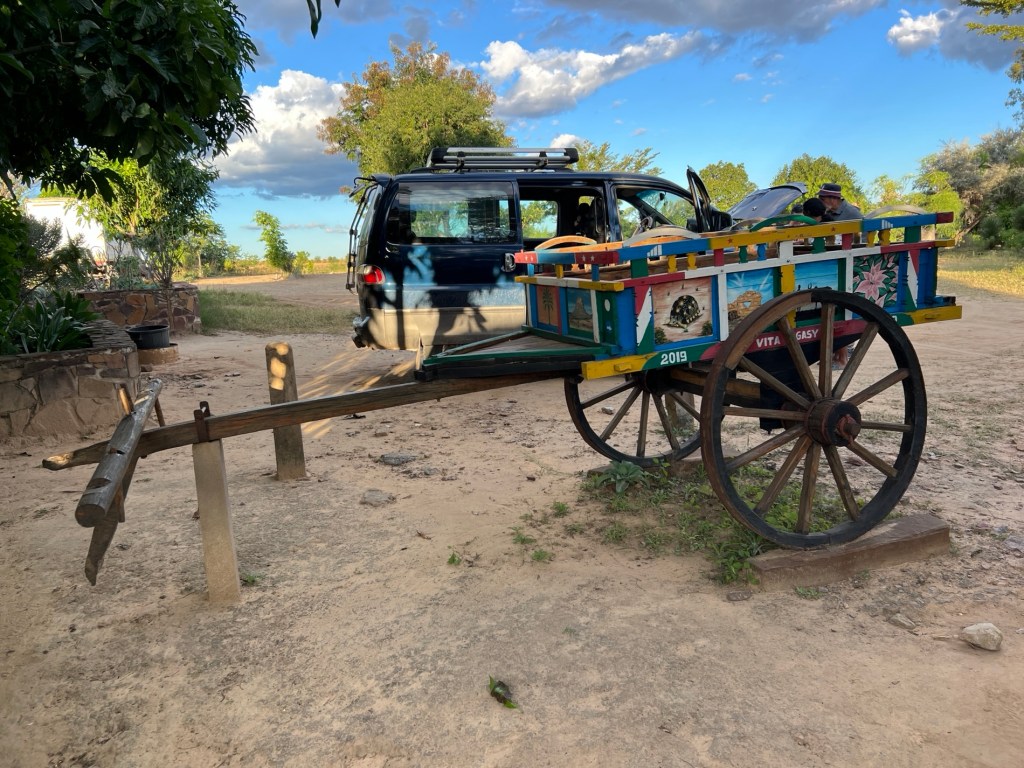
We dropped Nairin and our Chef back into town and headed home to the Ranch
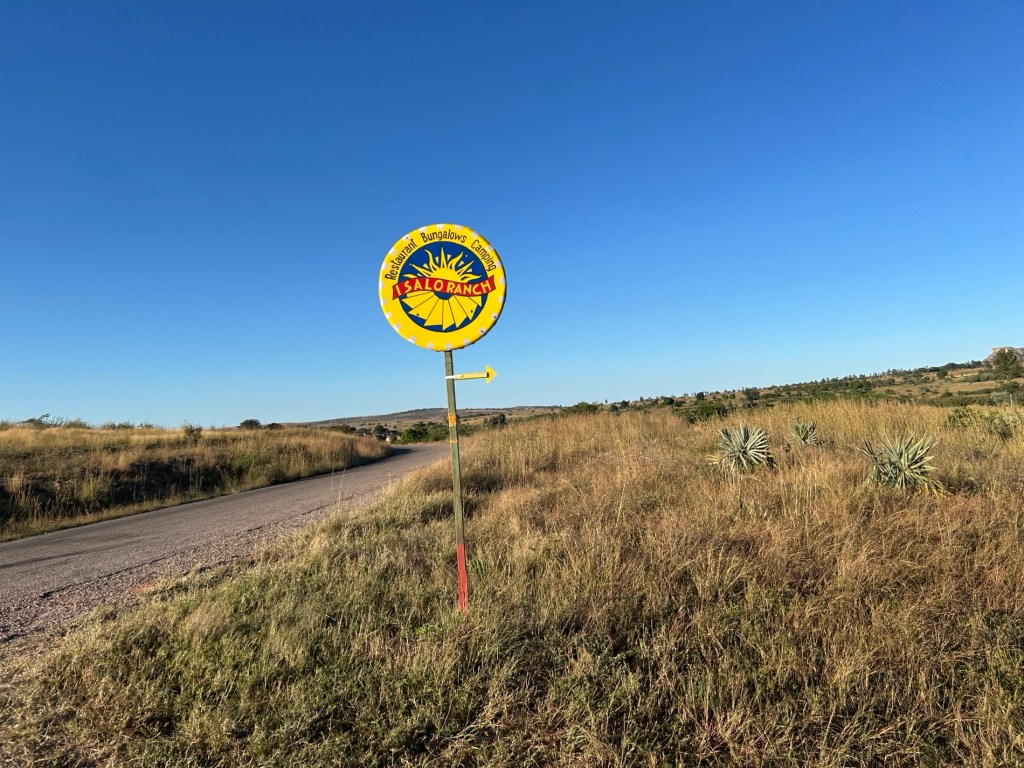
Isalo, the name comes from the Portuguese sailors who were shipwrecked on the coast. They walked to Isalo and sheltered here in a grotto. The ‘I’ precedes a Proper noun, I Benj, I Nicola, I Salo is from the shipwrecked Sailor, Solomon.
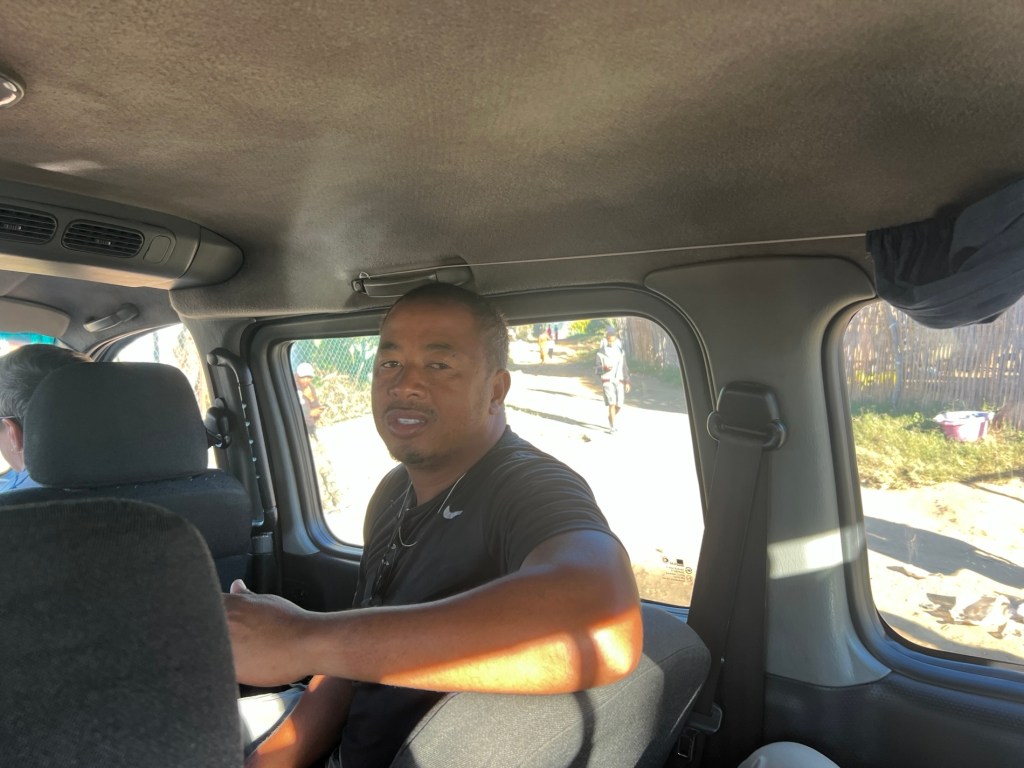
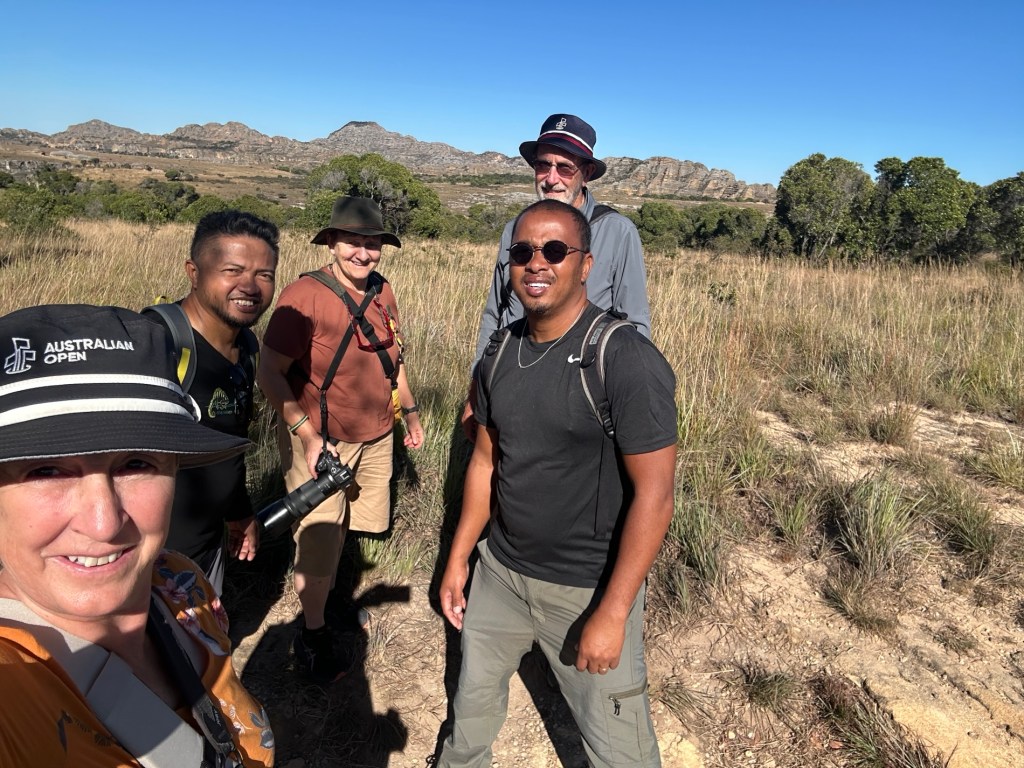
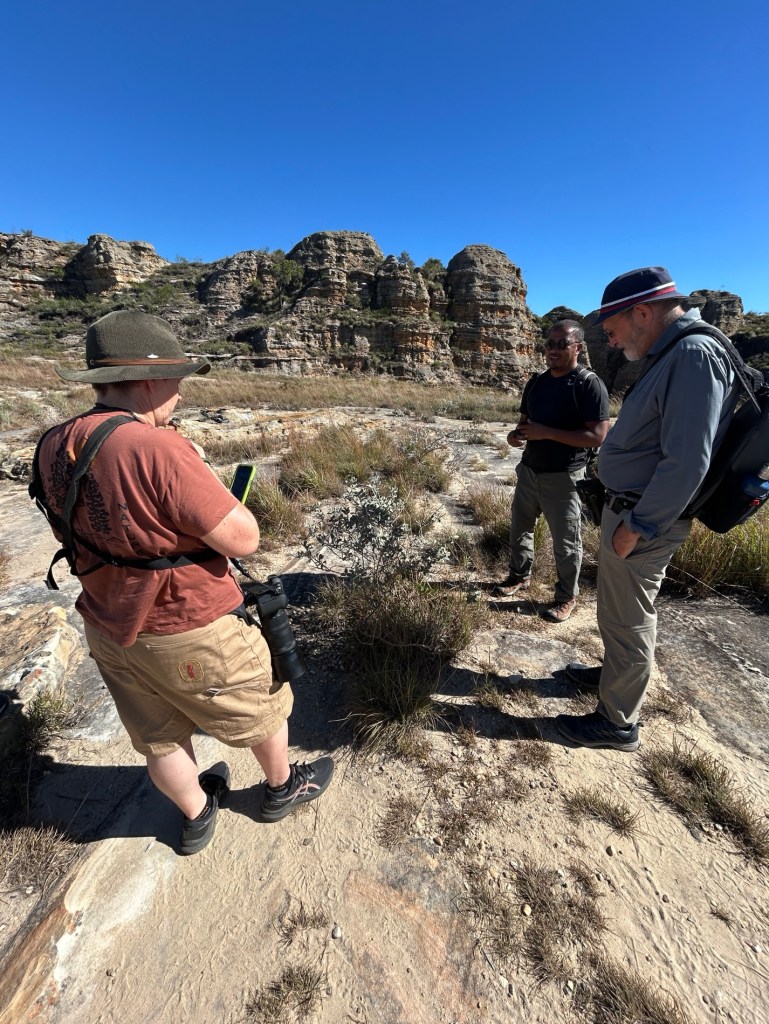
We picked up Nairin, our guide and he outlined the plan and some other information during the trip to the park entrance and take off point. The roads are one story the ‘off road’ roads are worse again.
We are heading to the natural swimming pool. A 3km walk. A piece of cake walk. Soft uphill 30 minutes then flat.
The Bara tribe used to live in the park, until its declaration as a National Park in 1962.
By Bara tradition its forbidden to point so you have to use the knuckles or open hand to point.
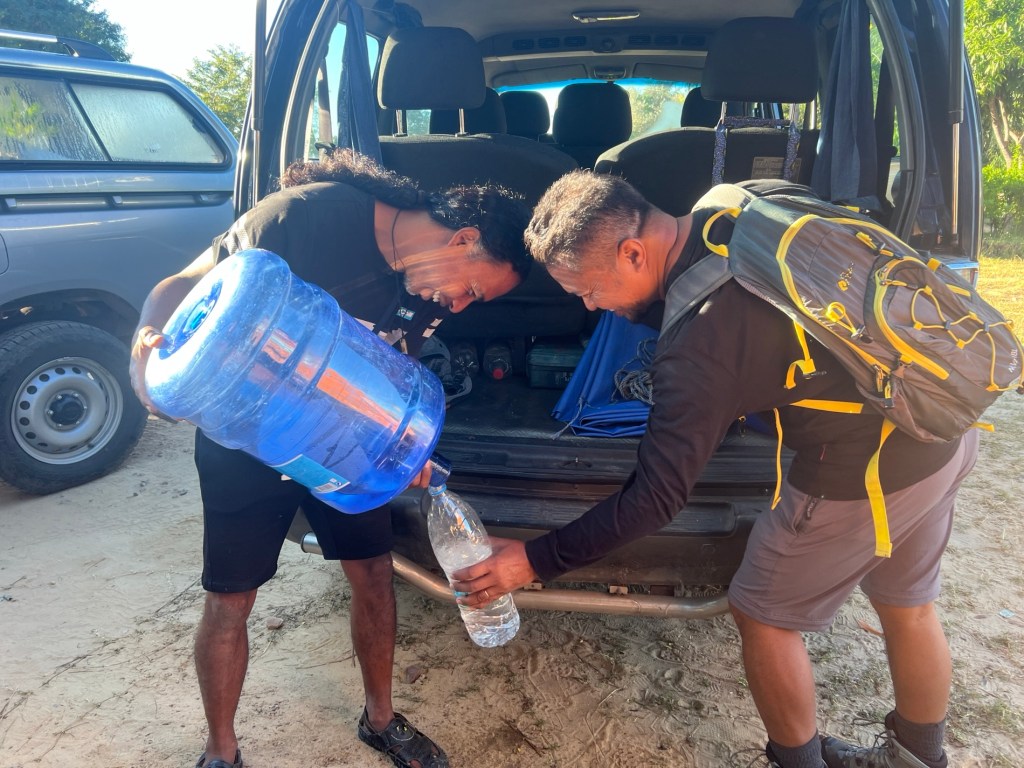
We left the Ranch and Suzie at 7:45, picked Nairin up in the Village and headed to the park – quite a rough drive in that saw us at the kick off point up to the plateau at about 8:44.
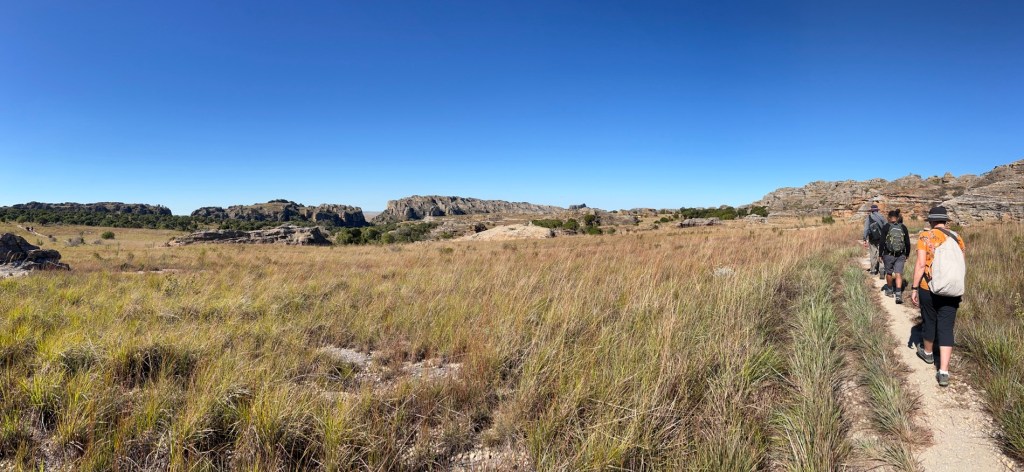
Off we headed, cameras at the ready and here’s what we saw and learnt.
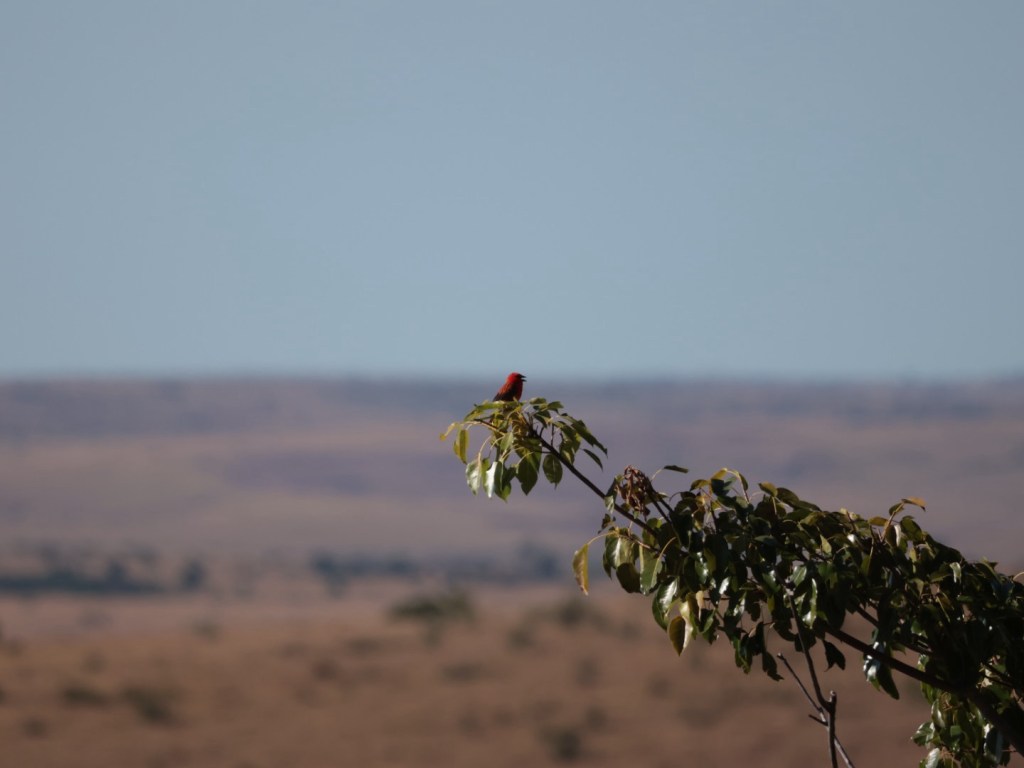
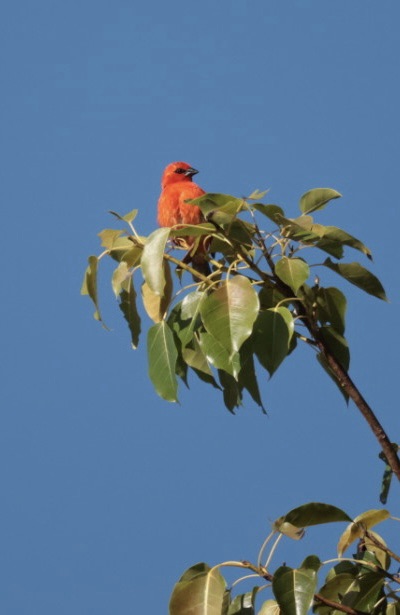
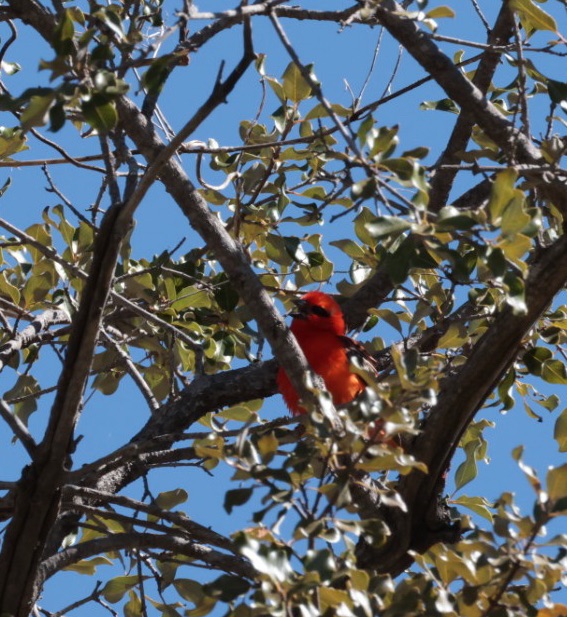
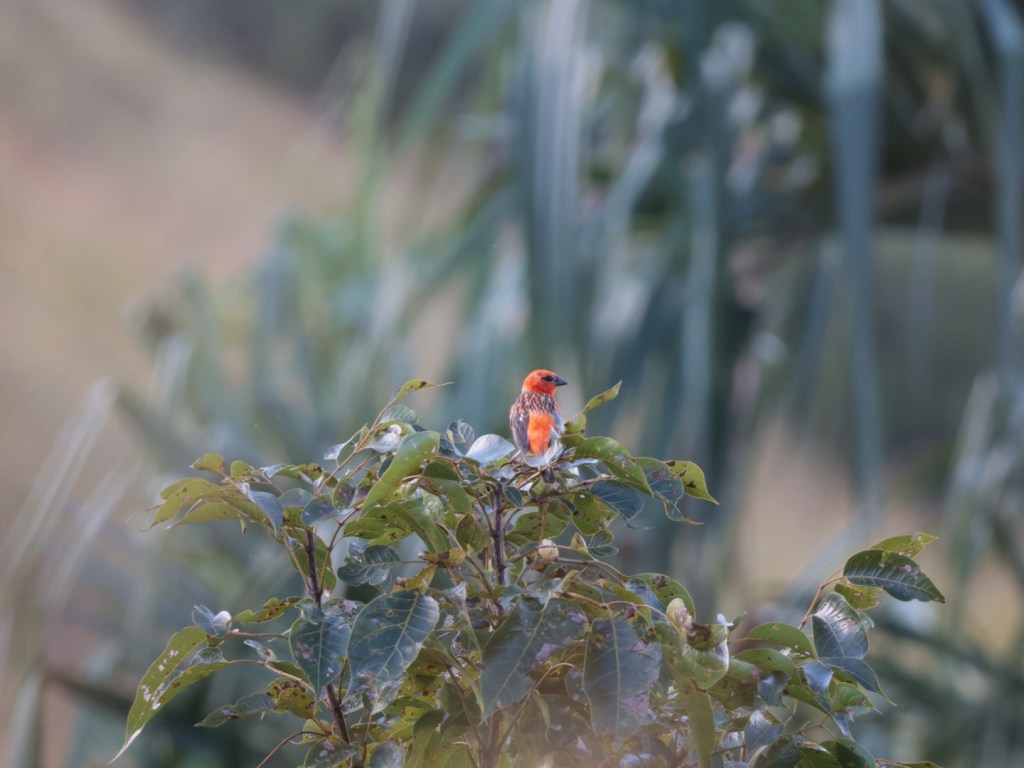
Fody bird. Red feathering during ‘love’ season. Otherwise a plain brown bird. I have been seeing them occasionally from the car but they are flitty and gone in a flash. Very pleased to see one even if it is a way off.
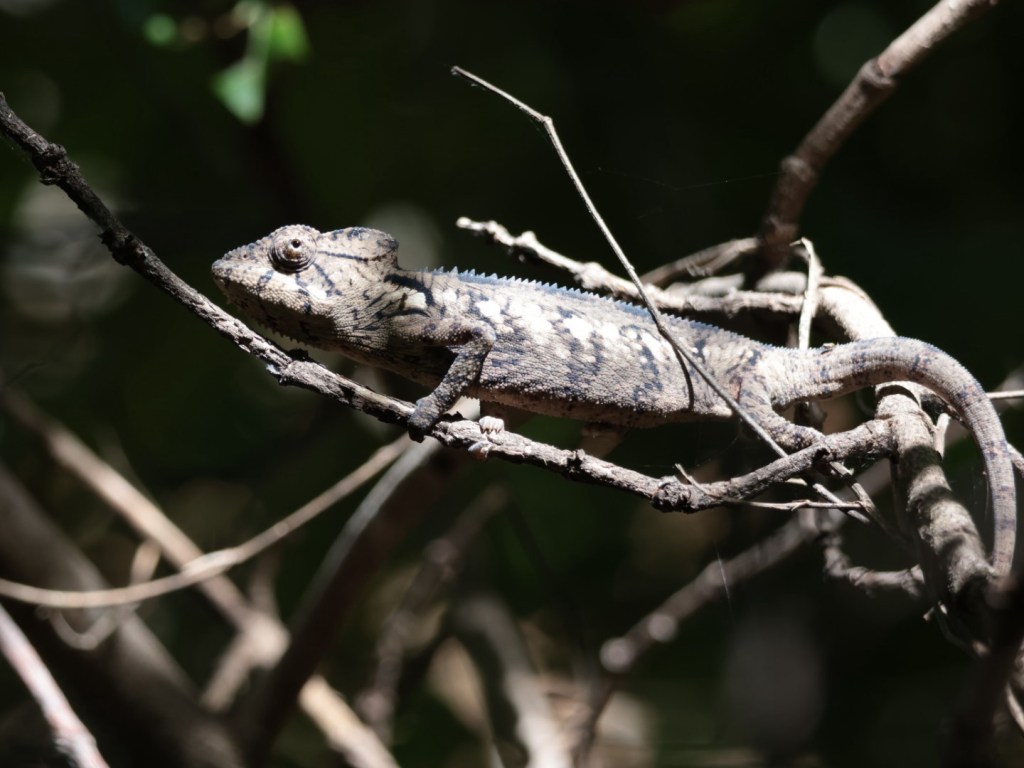
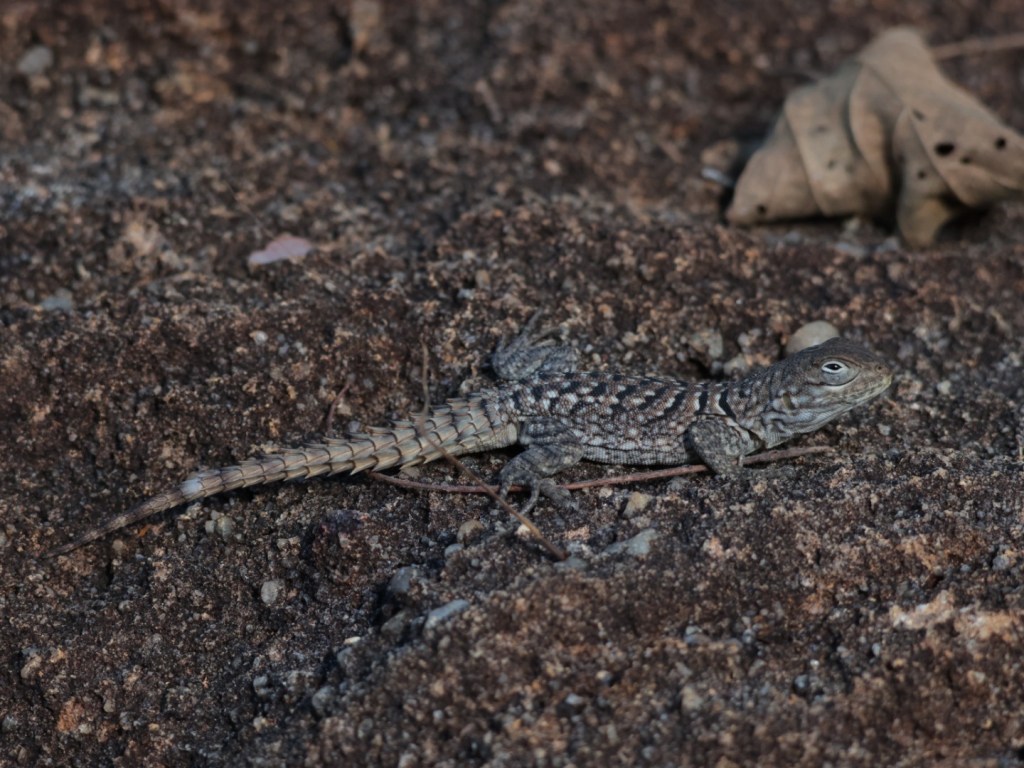
Juvenile Oustalet. Lay eggs in the ground in rainy season, Camolina Madagascus.
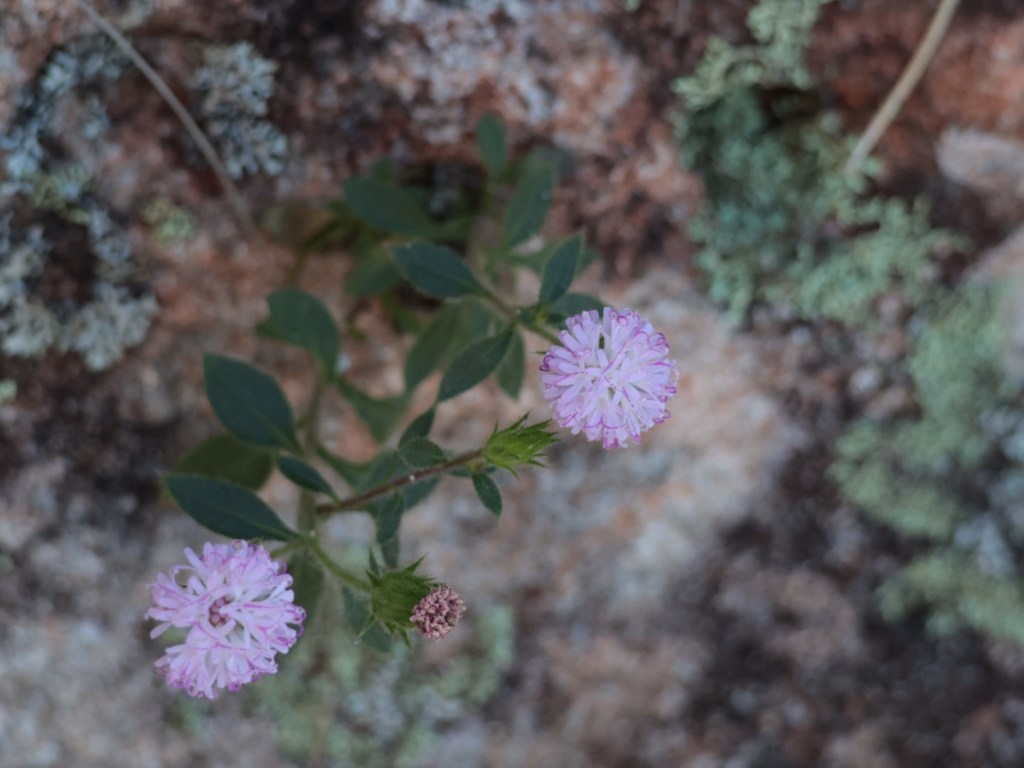
Turtle shape in the rocks and flowers in the rock.
Vanilla orchid.
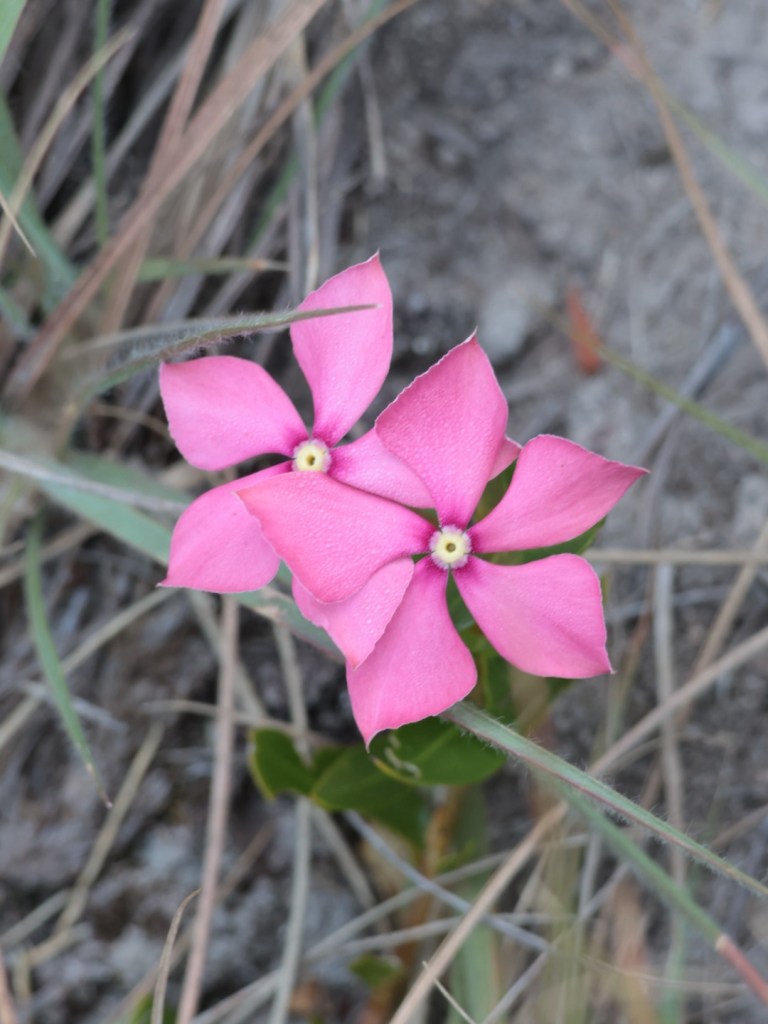
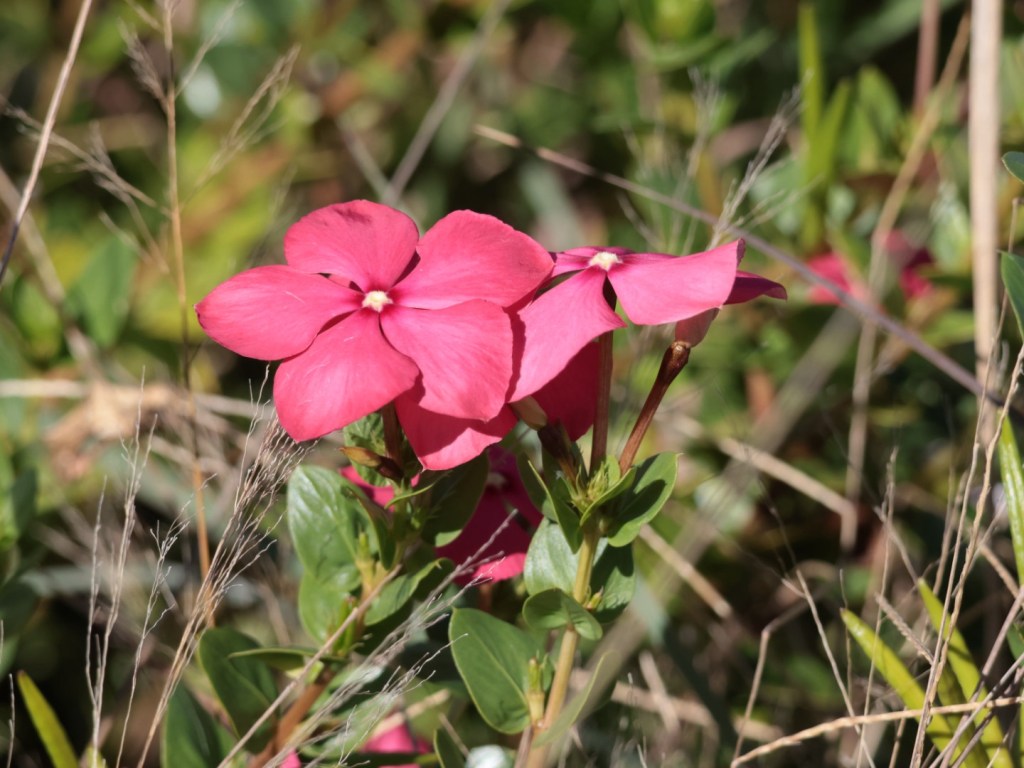
Madagascar periwinkle
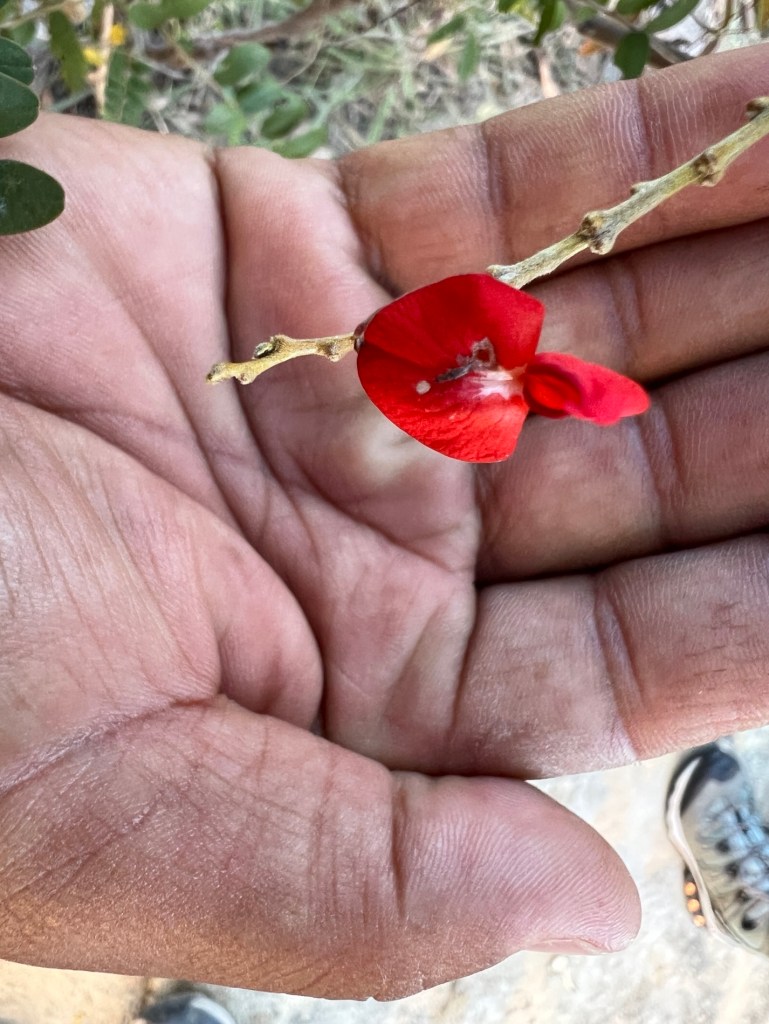
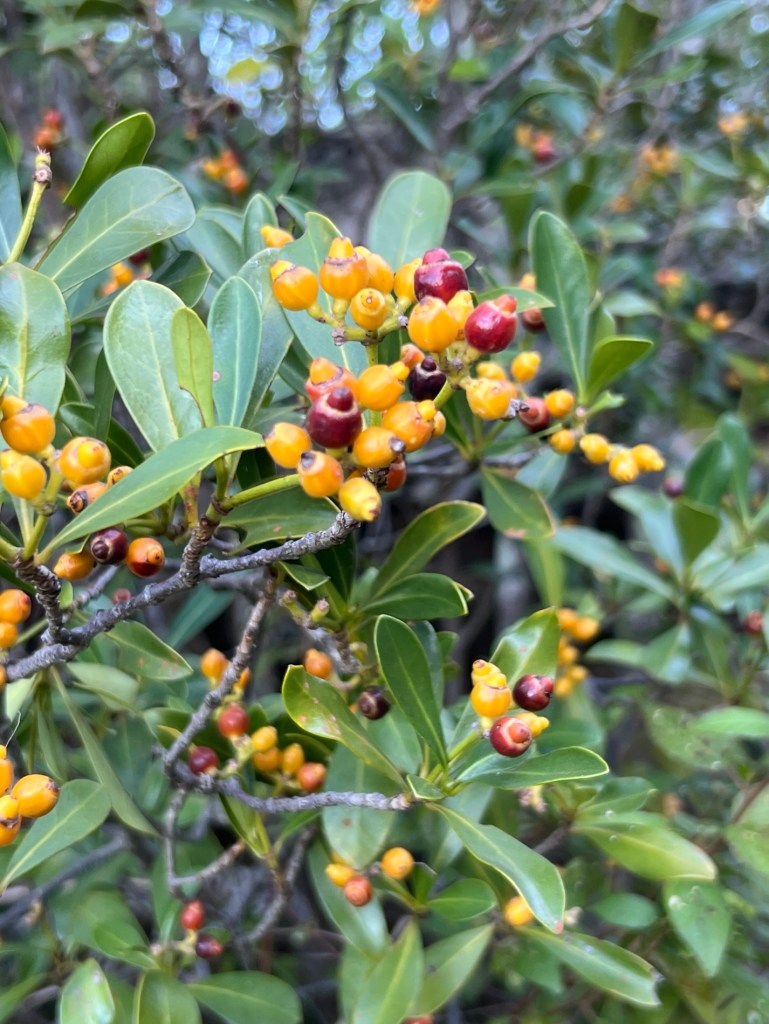
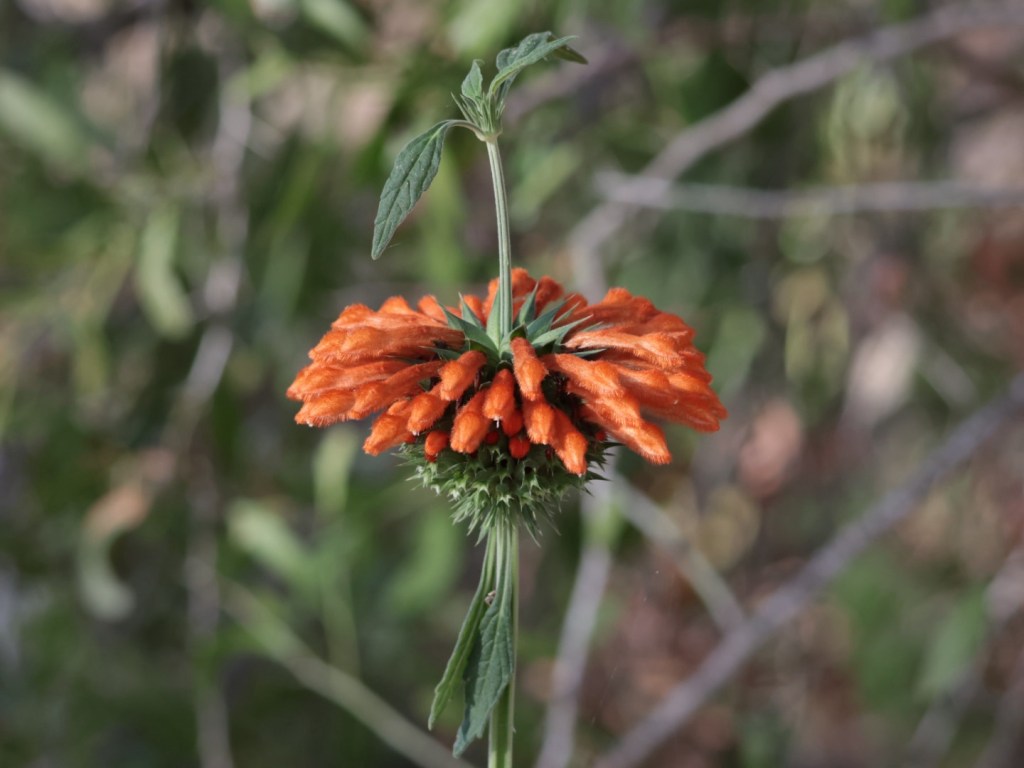
Fire flower plant
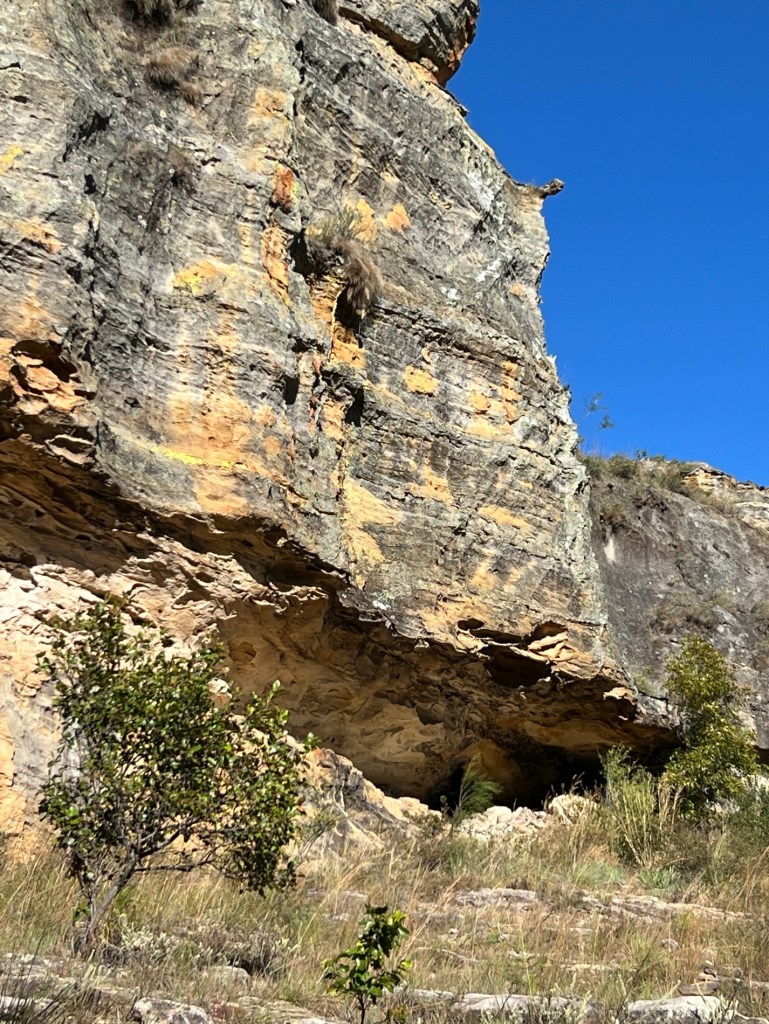
Temporary and permanent tombs. The Bara people bury their dead in the park. When a person dies they are first placed in a temporary tomb, down low in a cave in the rockface. Once they have decomposed enough, the bones are gathered and transferred to a final resting place high in the cliff face and lots of rocks are placed in front. Rhum (rum) is important in the ceremony and also provided the courage to climb down from above to place the bones.
Children not able to buried here. We saw more final resting places during our walk.
Fire flower plant again
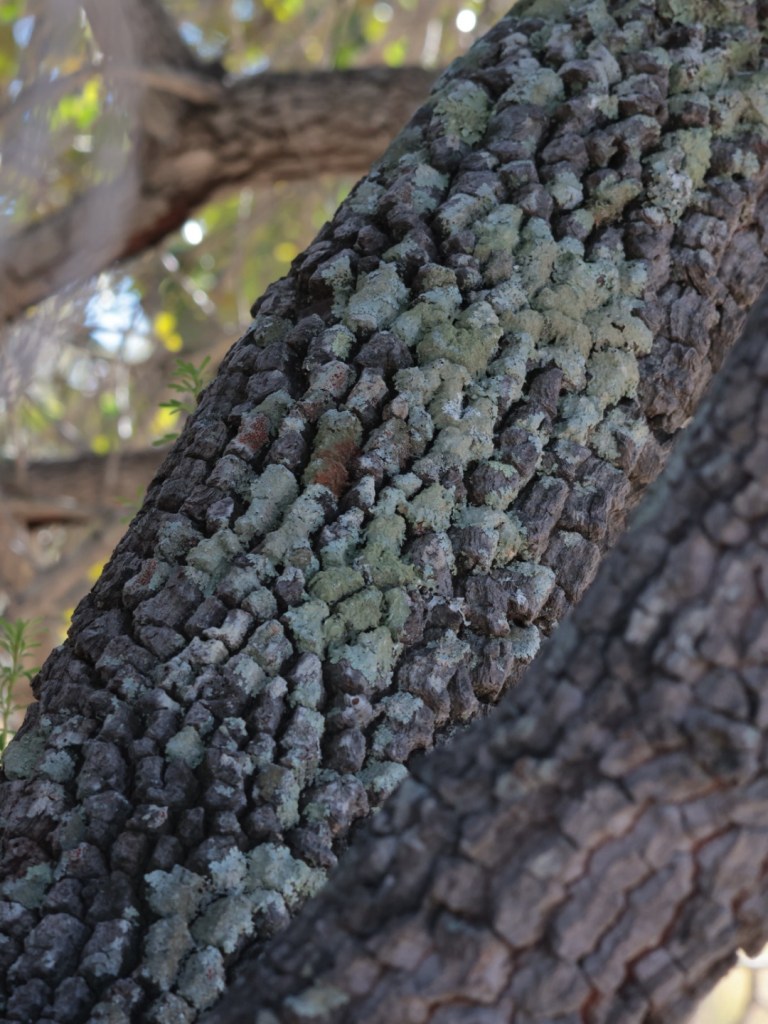
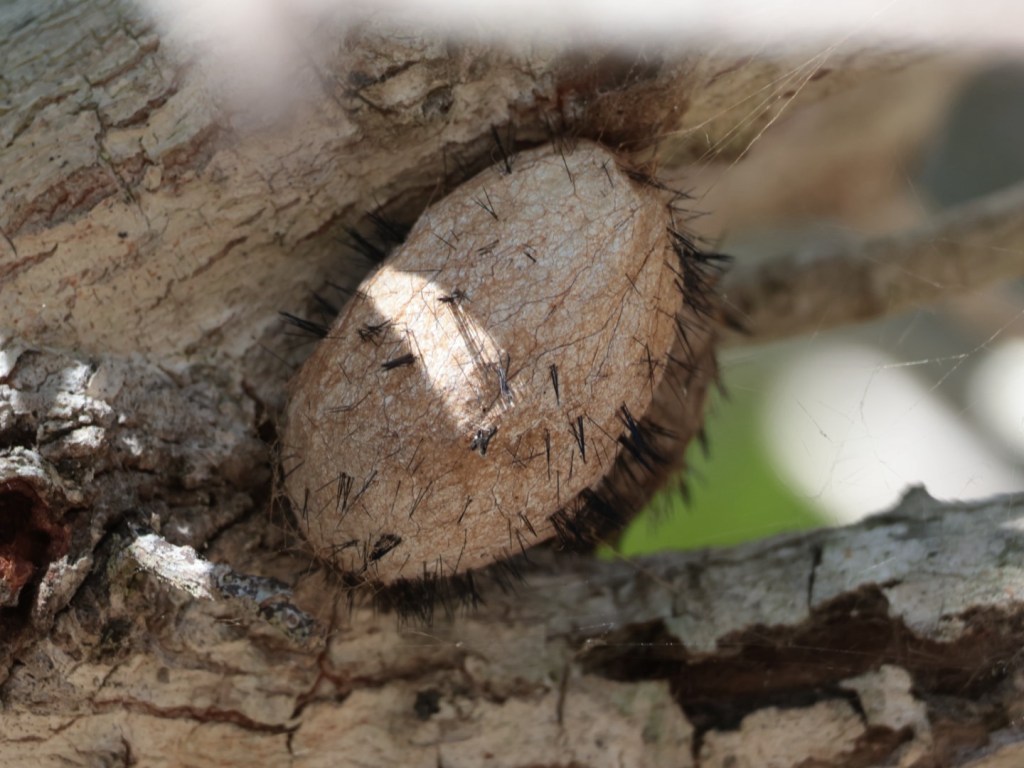
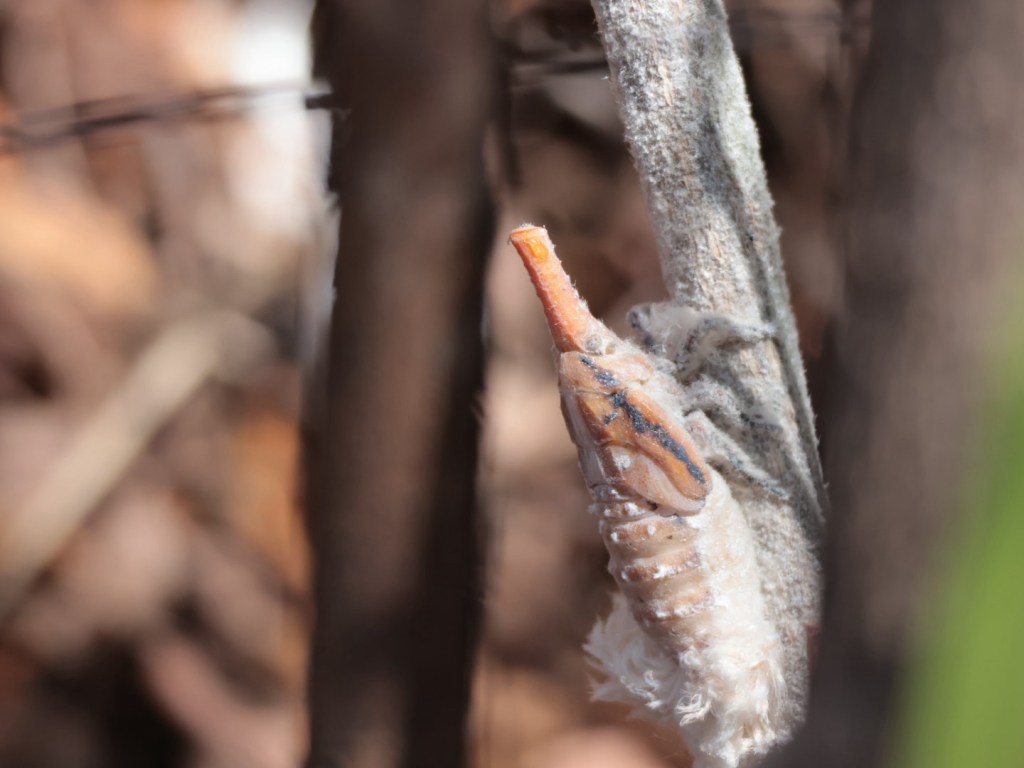
Tapia tree. Wild silkworms make their cocoons here. The fruit requires fire to generate. The cocoon is prickly for protection and also the caterpillars have the spikes. The people also eat the worm. The bark of this tree is super fire resistant and is so cracked and craggy, super cool. It’s also not a particularly strong wood.
This area receives only 12 inches of rain, so only one rice crop per year around here.
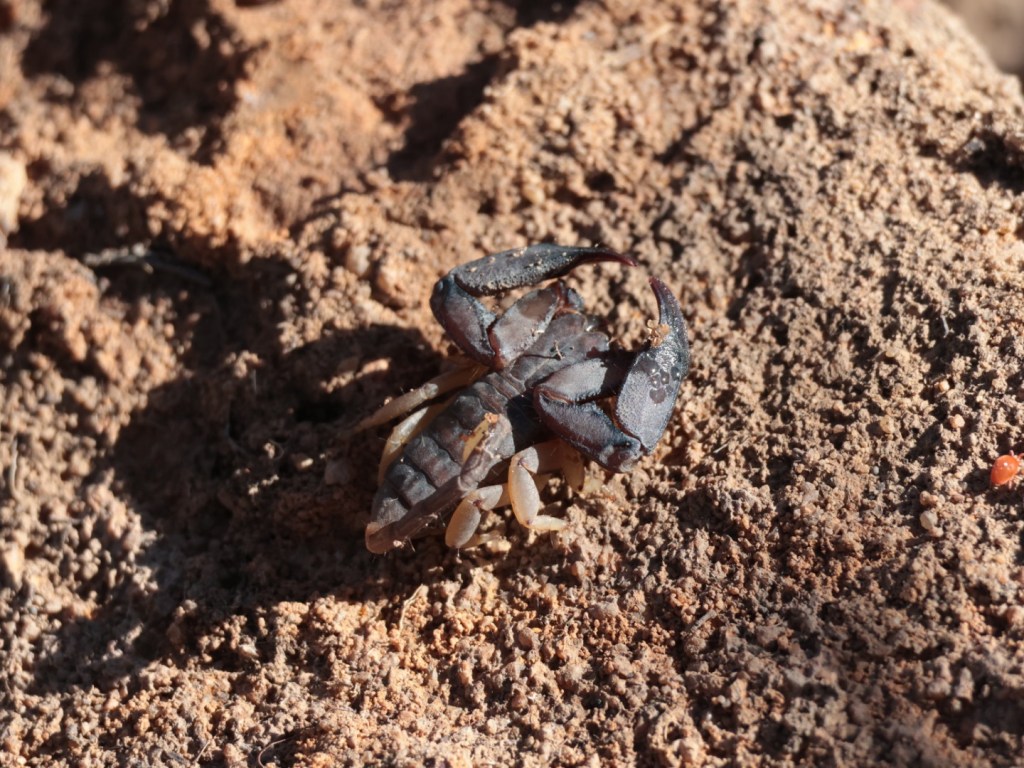
Black Scorpion x2 (one of 30 types found in Madagascar) endemic to Madagascar.
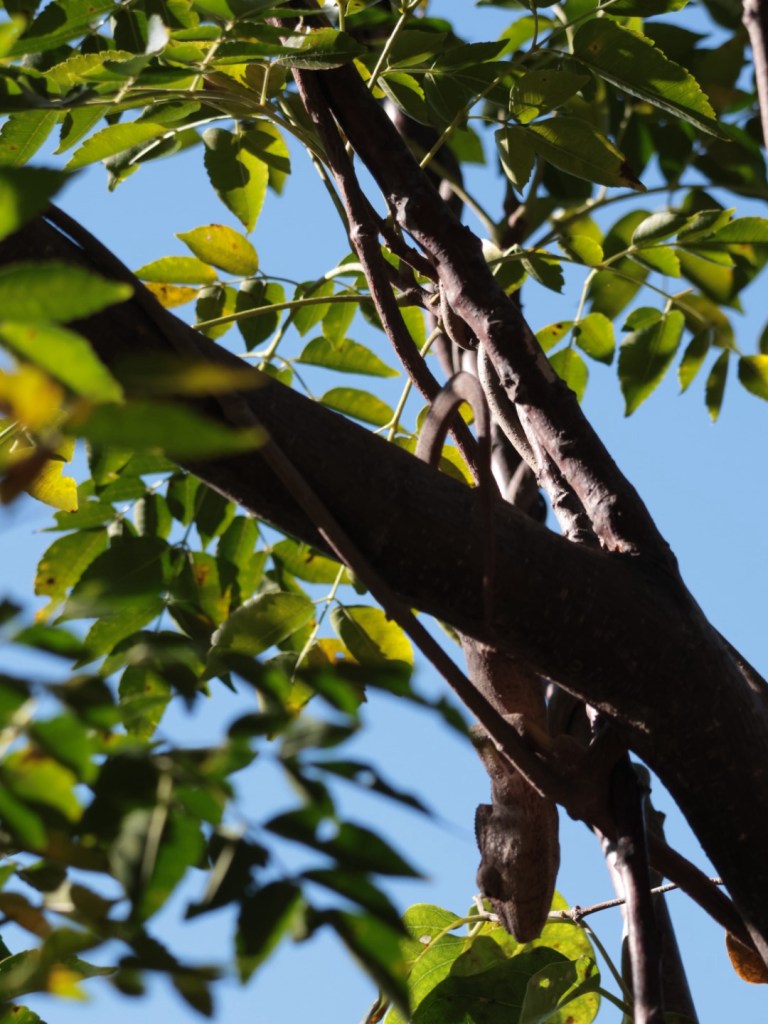
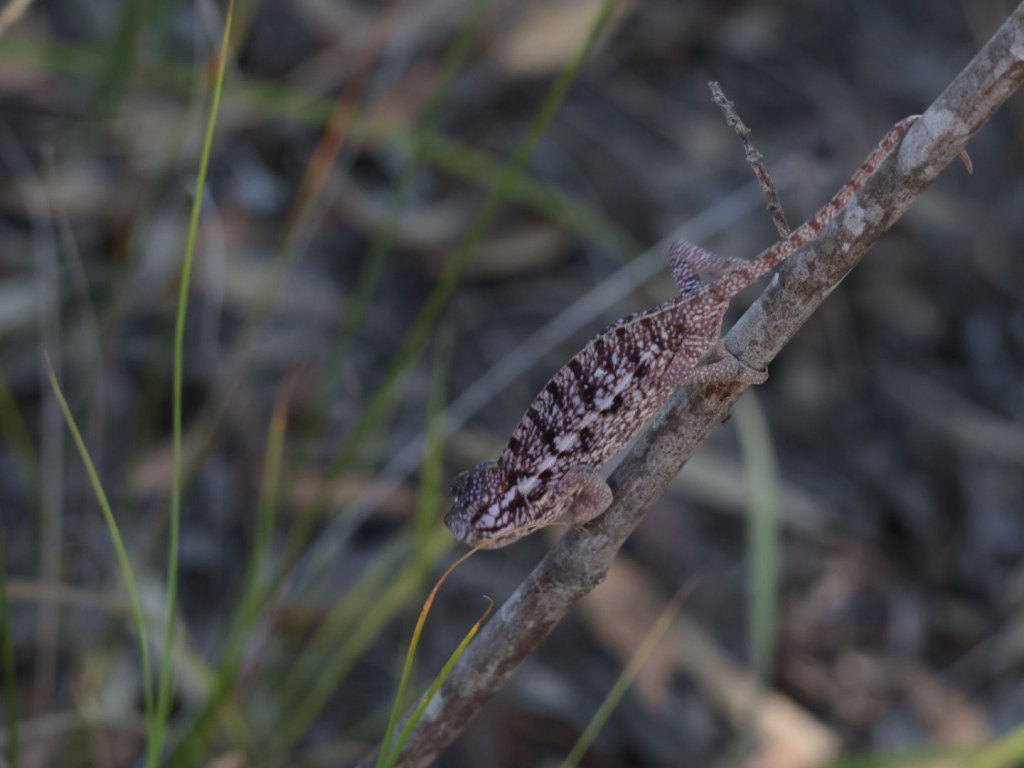
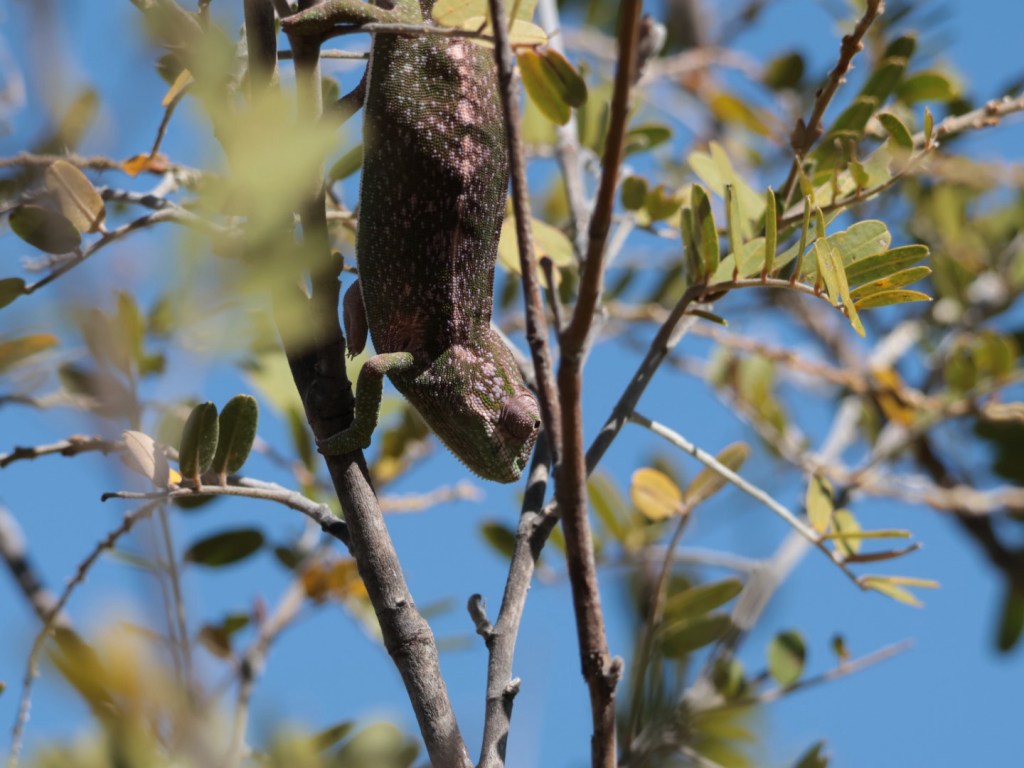
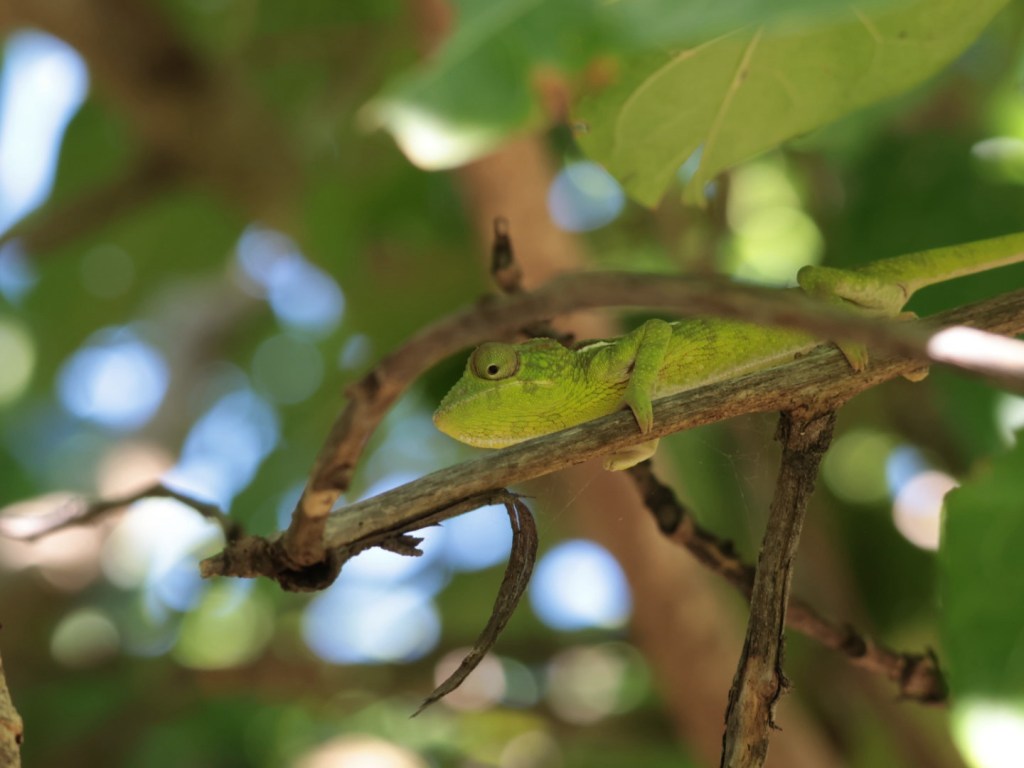
Female jewel, chameleon or carpet chameleon
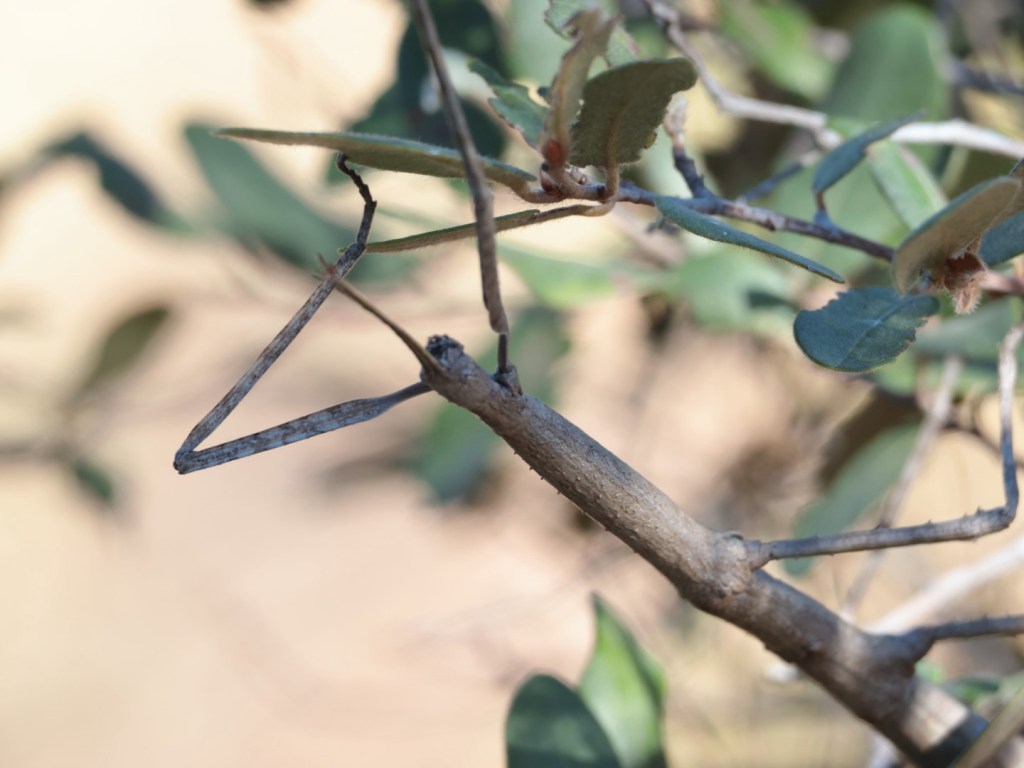
Madagascar Stick insect. So hard to photograph
Madagascar periwinkle- roots are good for treating blood cancer (leukaemia)
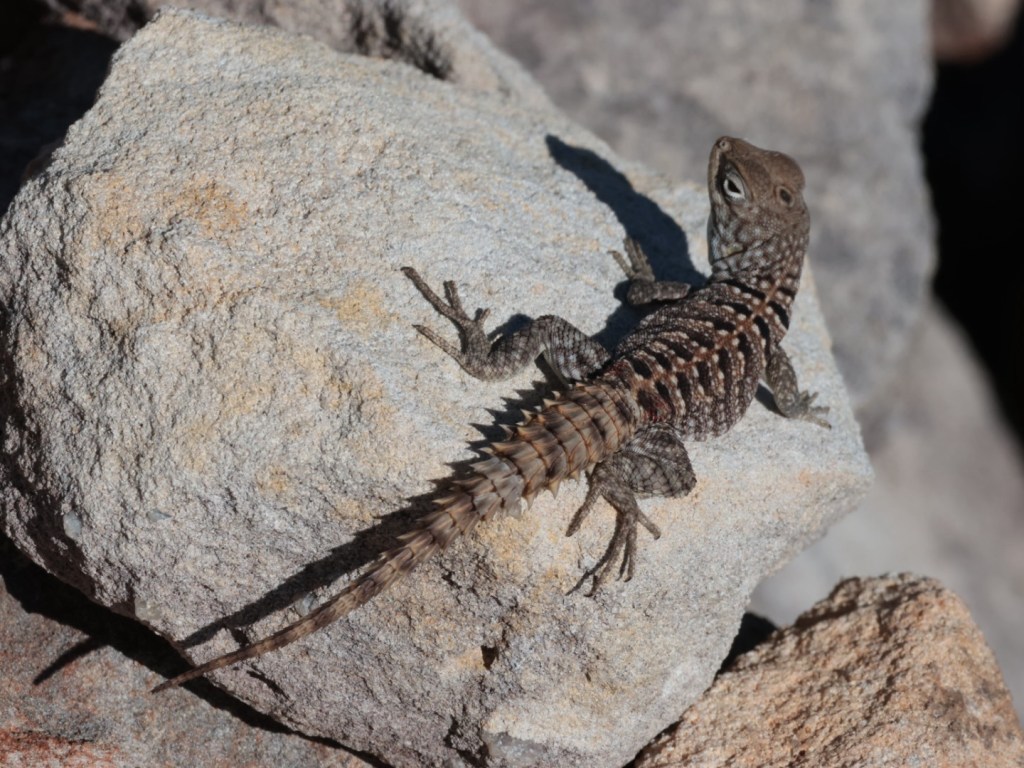
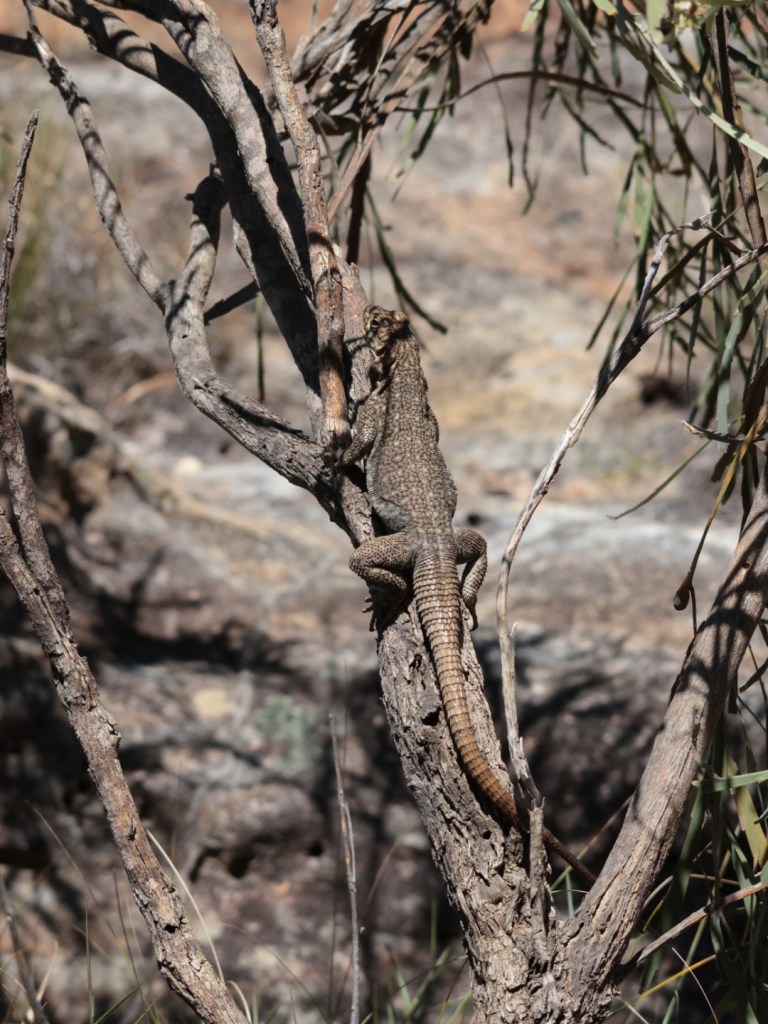
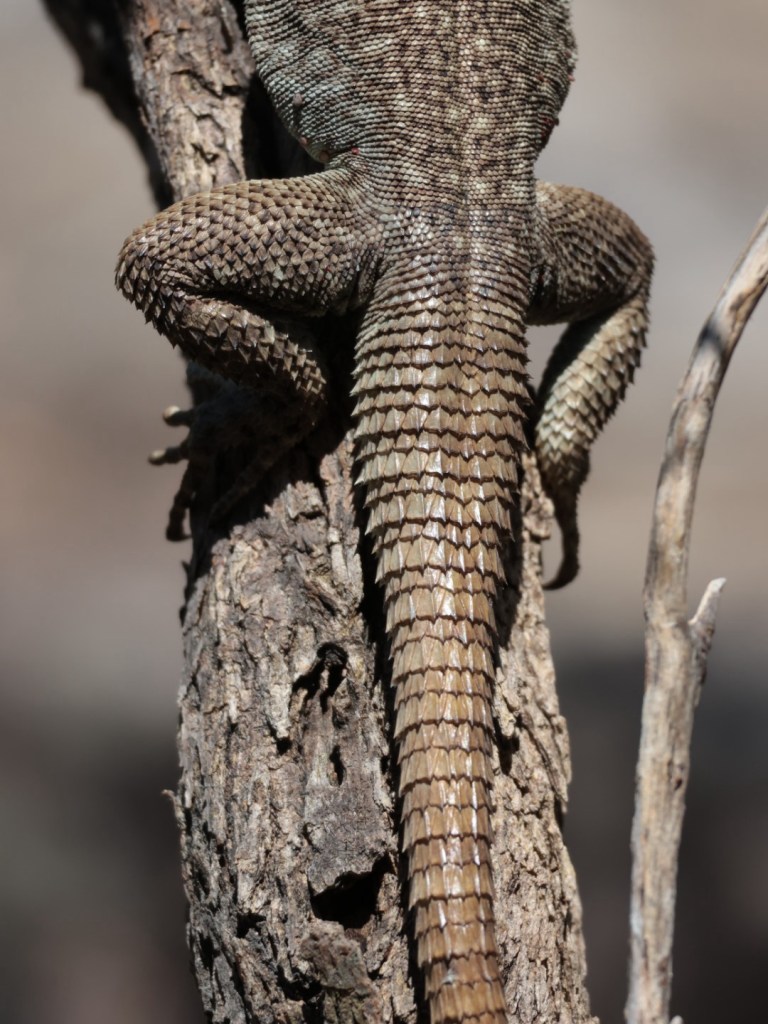
Spiny tailed Iguana. Can live to 10-19 years.
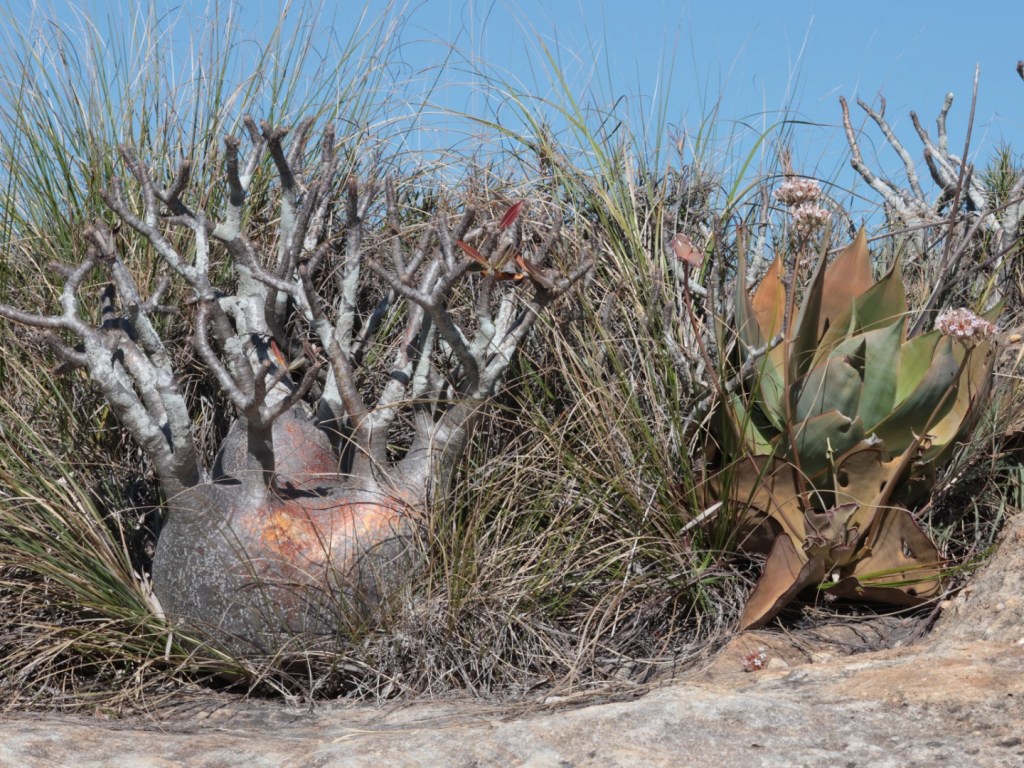
Elephant foot plant (can live for 170 years) and Aloe and Napoleon’s hat (in front with flowers)
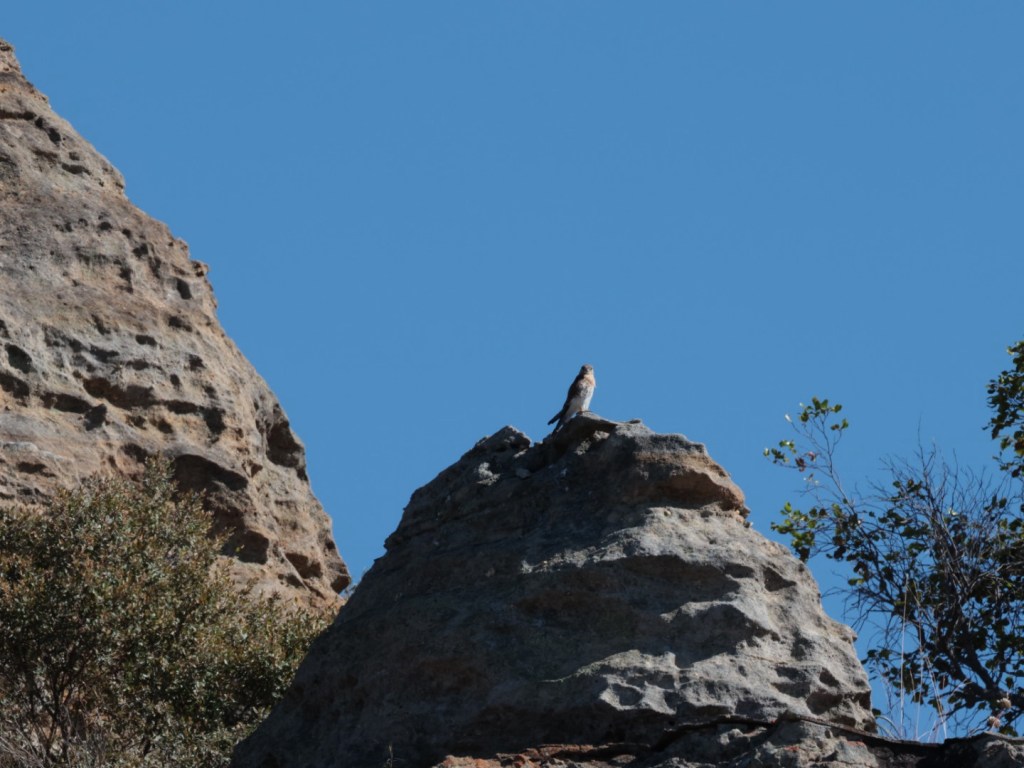
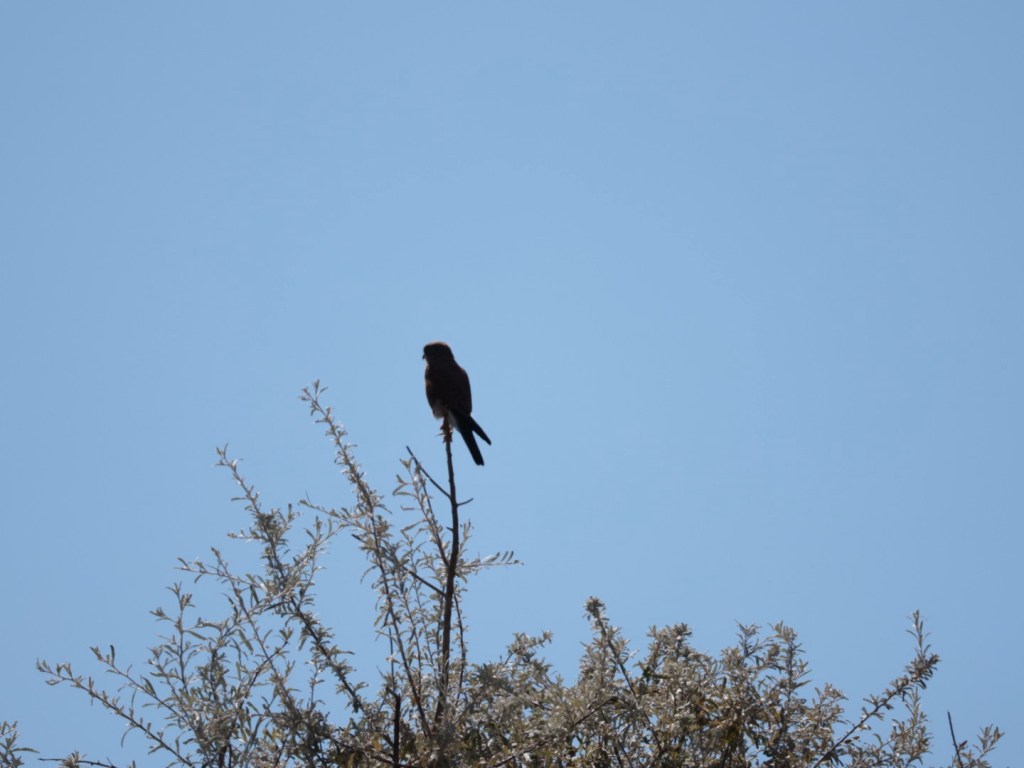
Madagascar Kestrel male.
Tangena – Most venomous plant. Ring tailed lemur can eat it to neutralise the toxin on their body
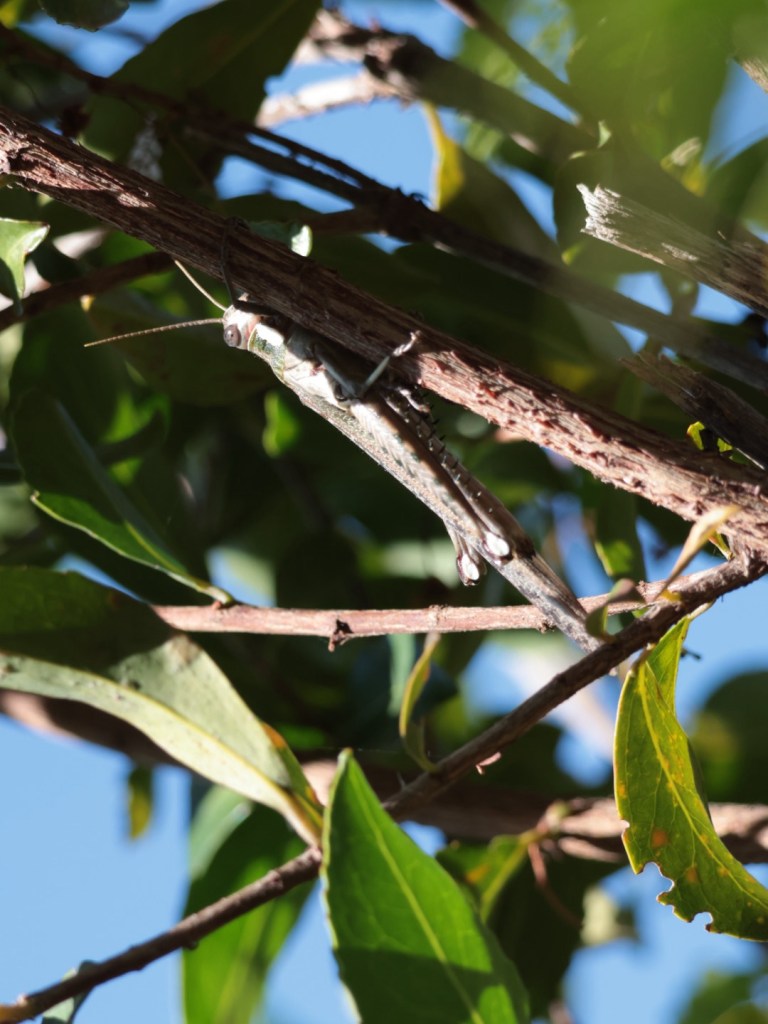
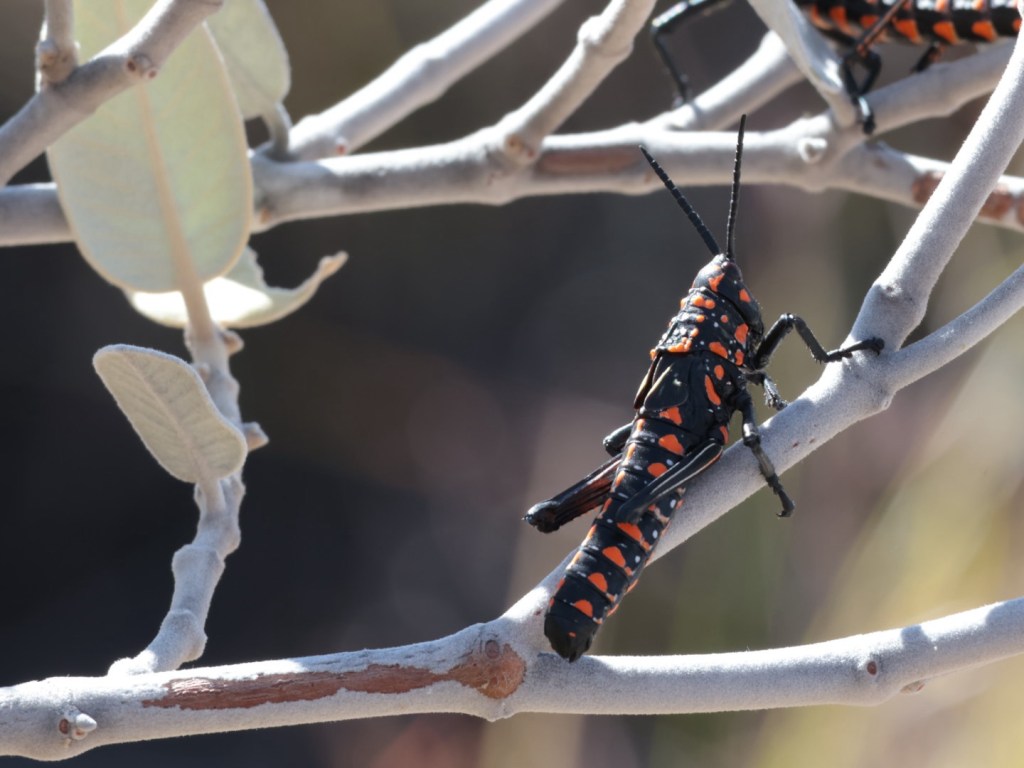
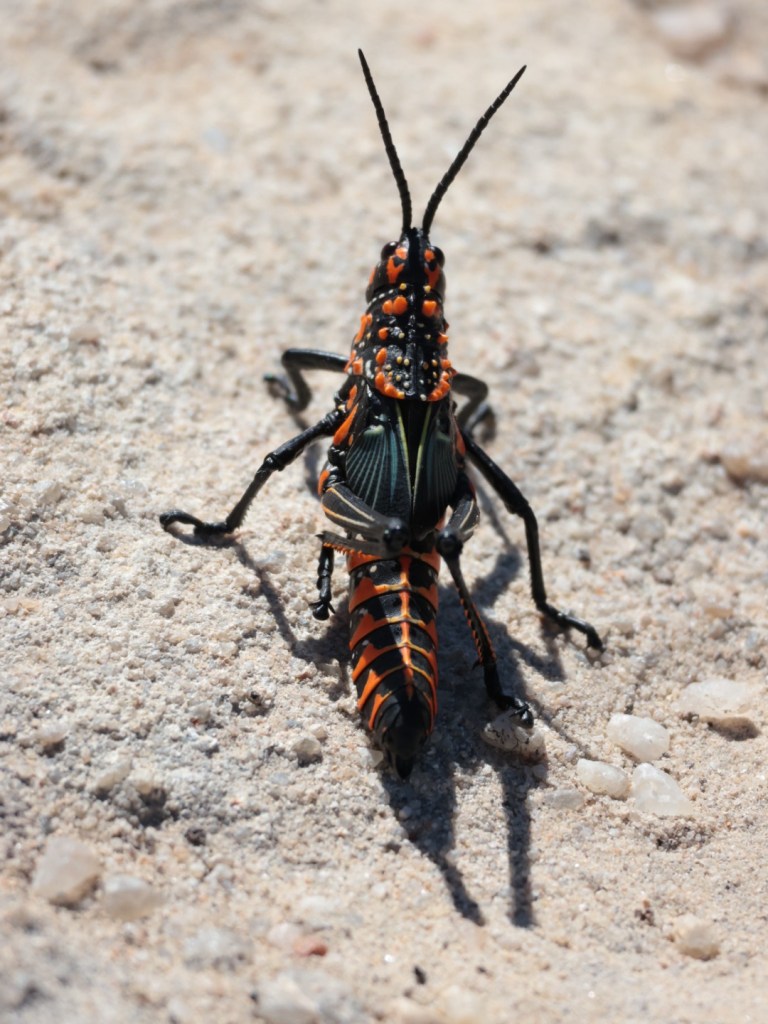
Rainbow bush locust.(juvenile) Endemic to Madagascar.
Elephant foot plant x 2
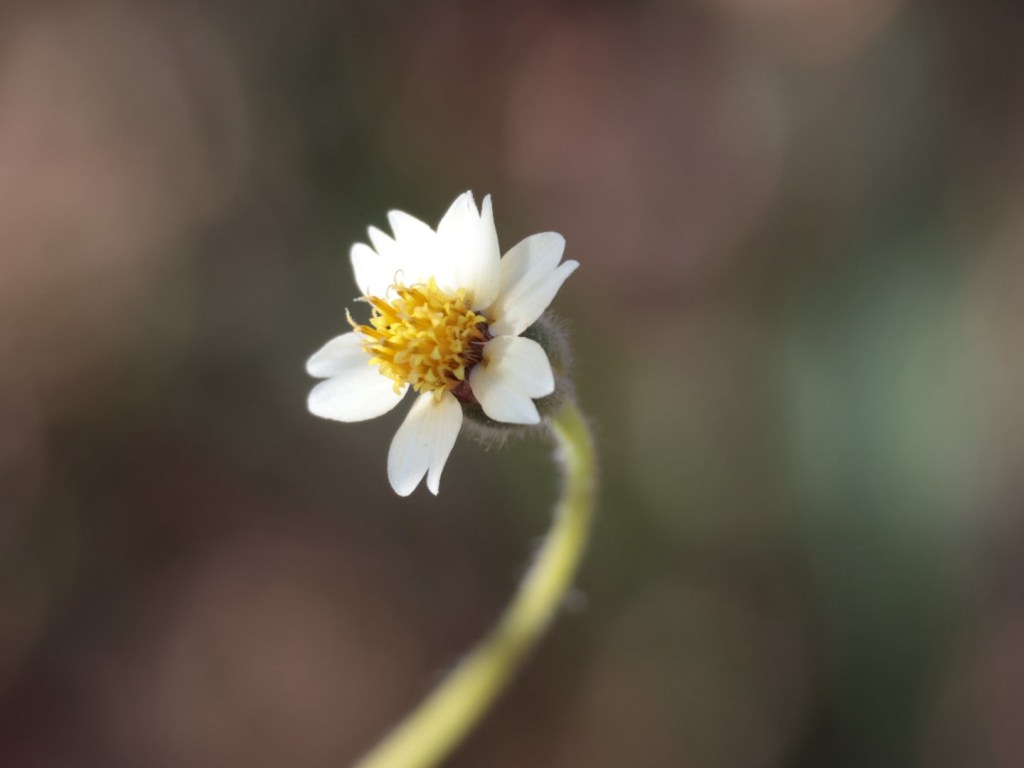
Ticoma plant – tiny flower
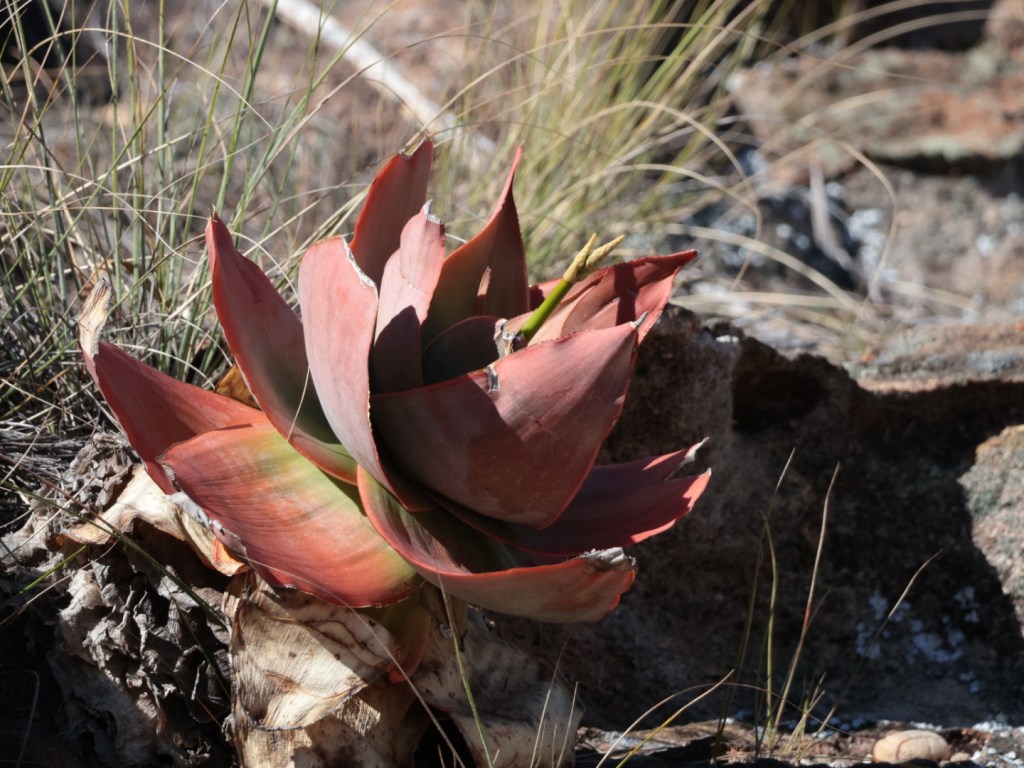
Aloe plant x 3 pink and green. Endemic species of plant.
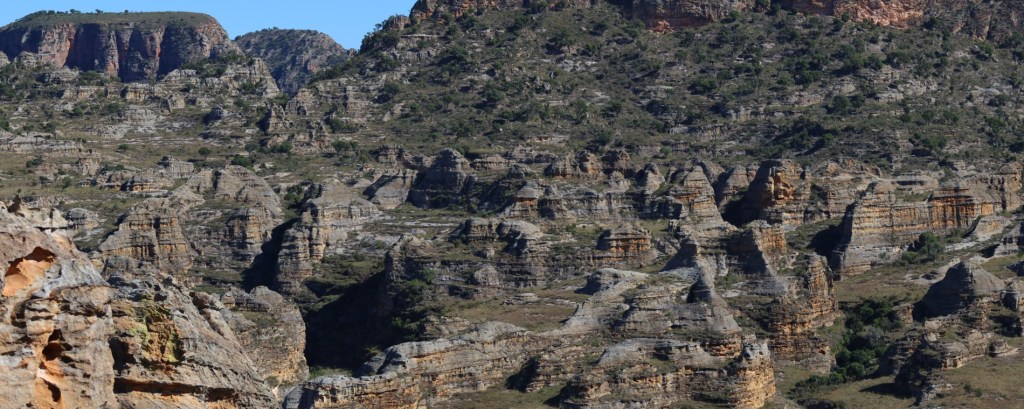
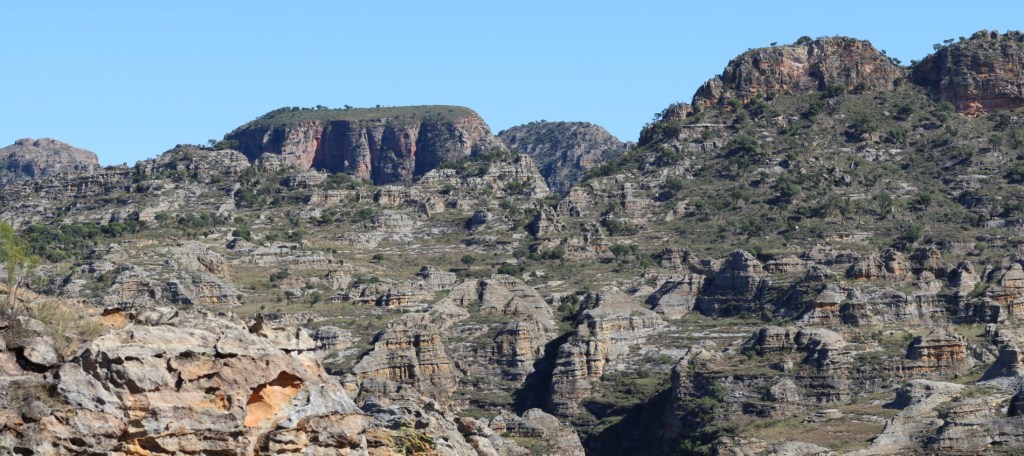
Geology of Isalo
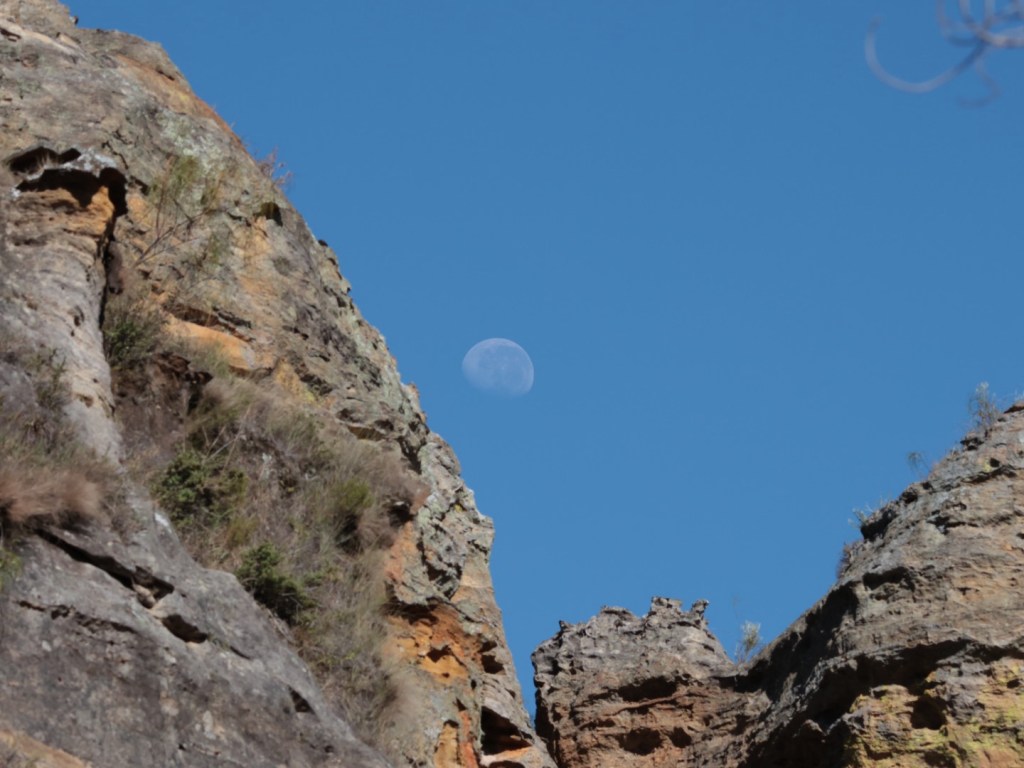
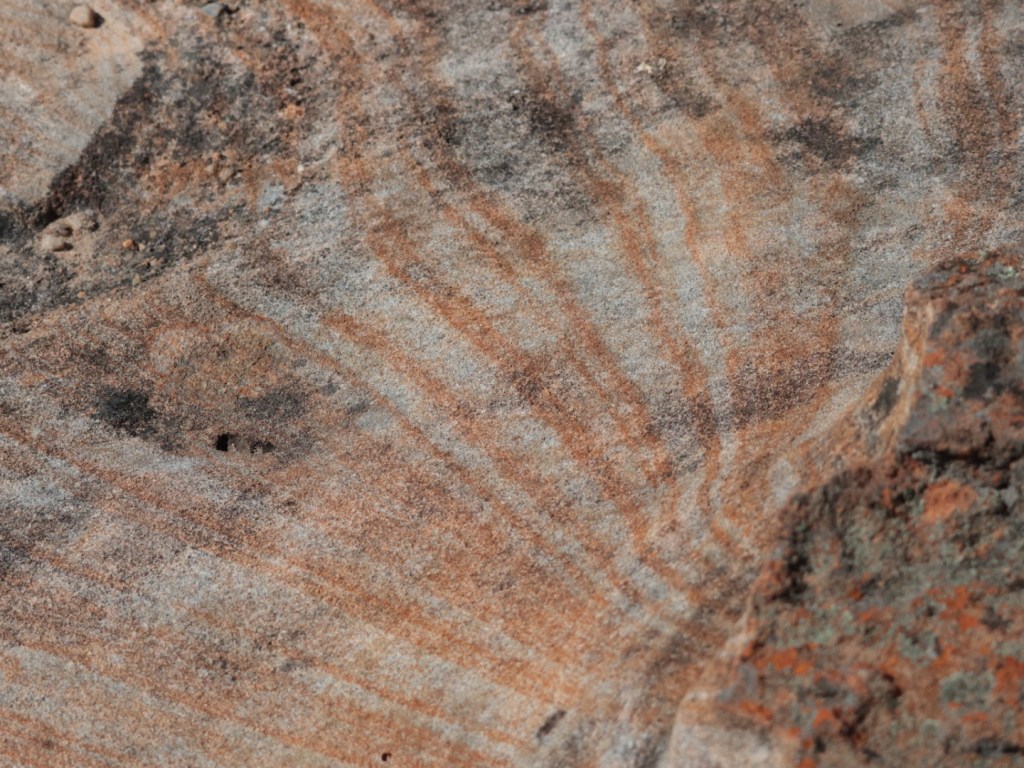
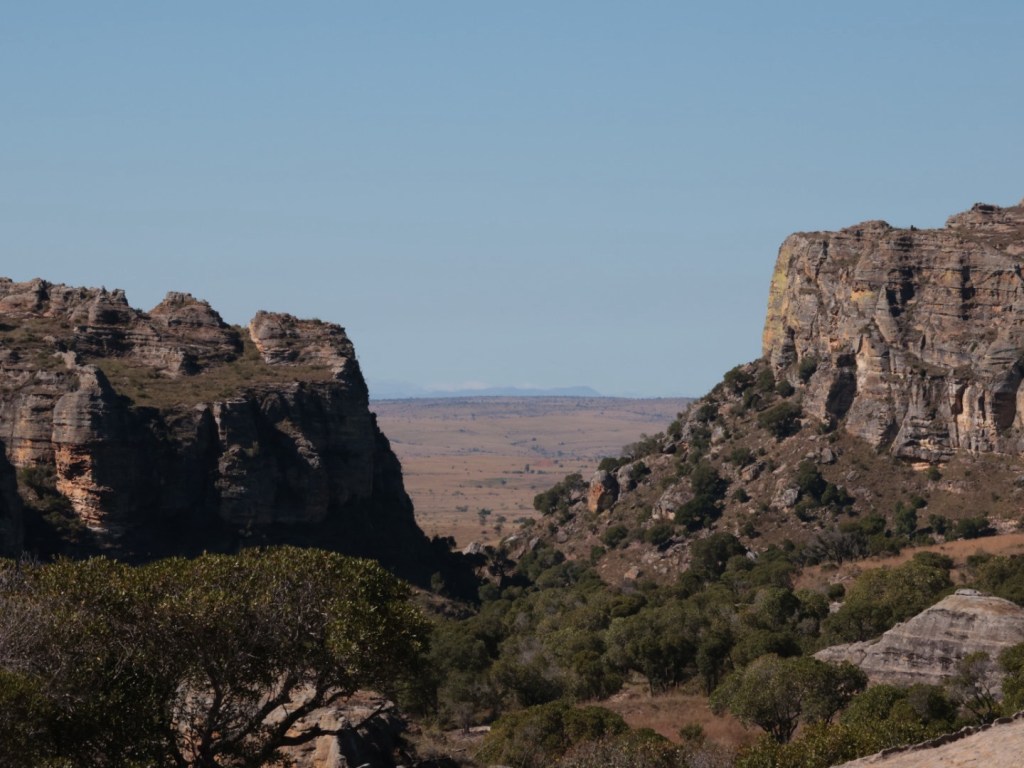
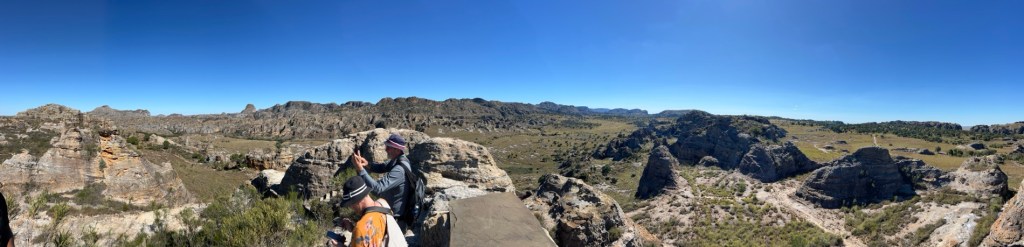
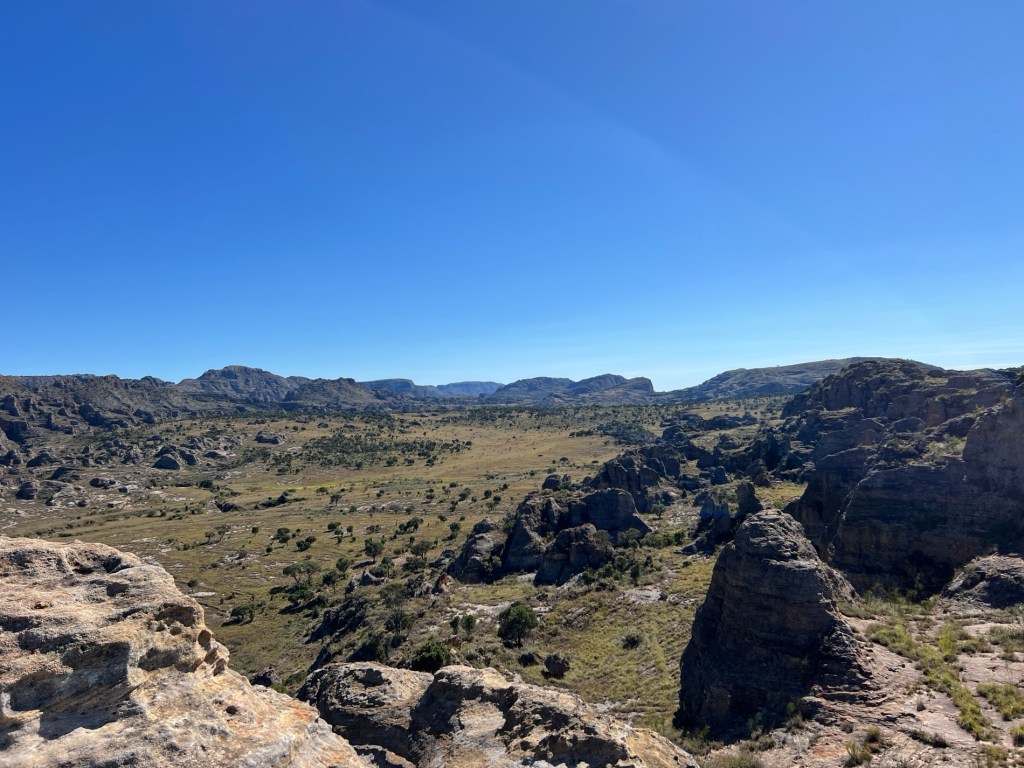
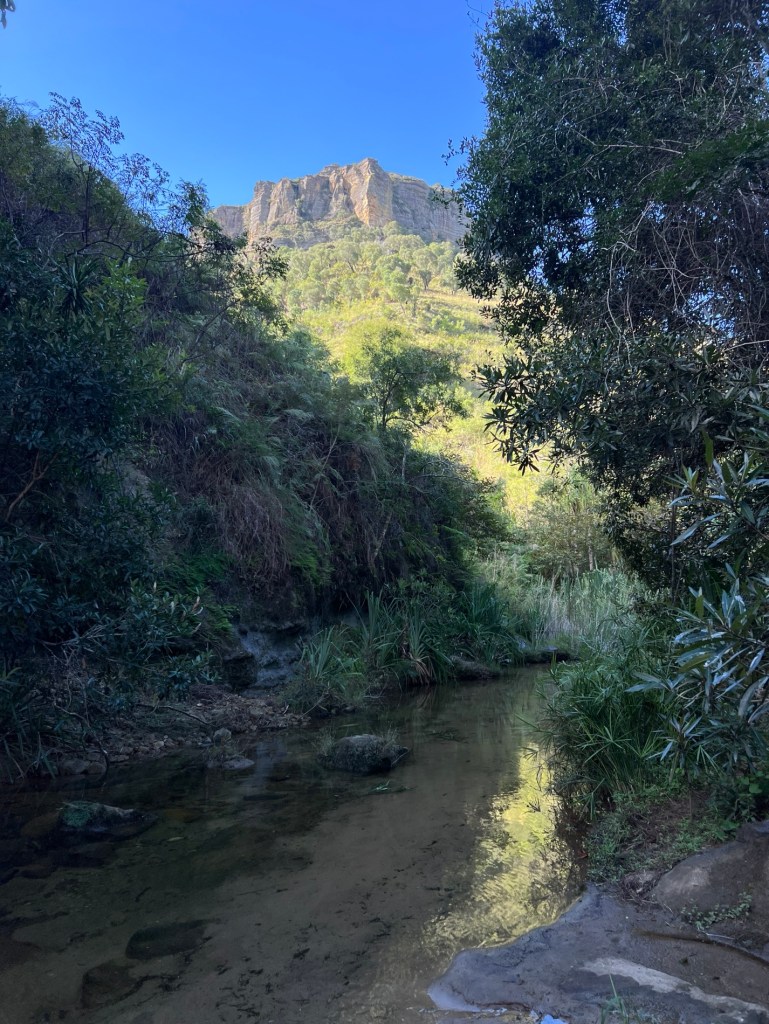
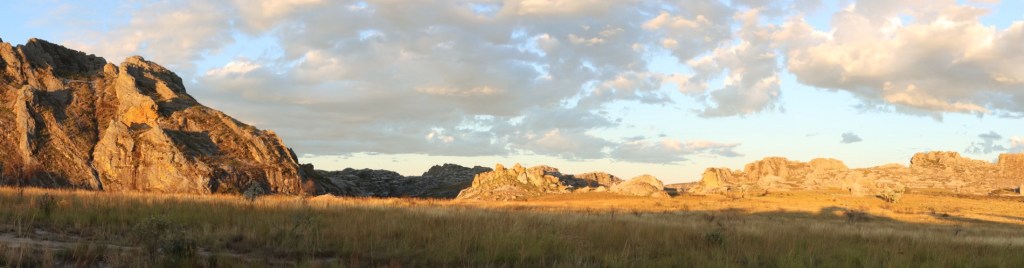
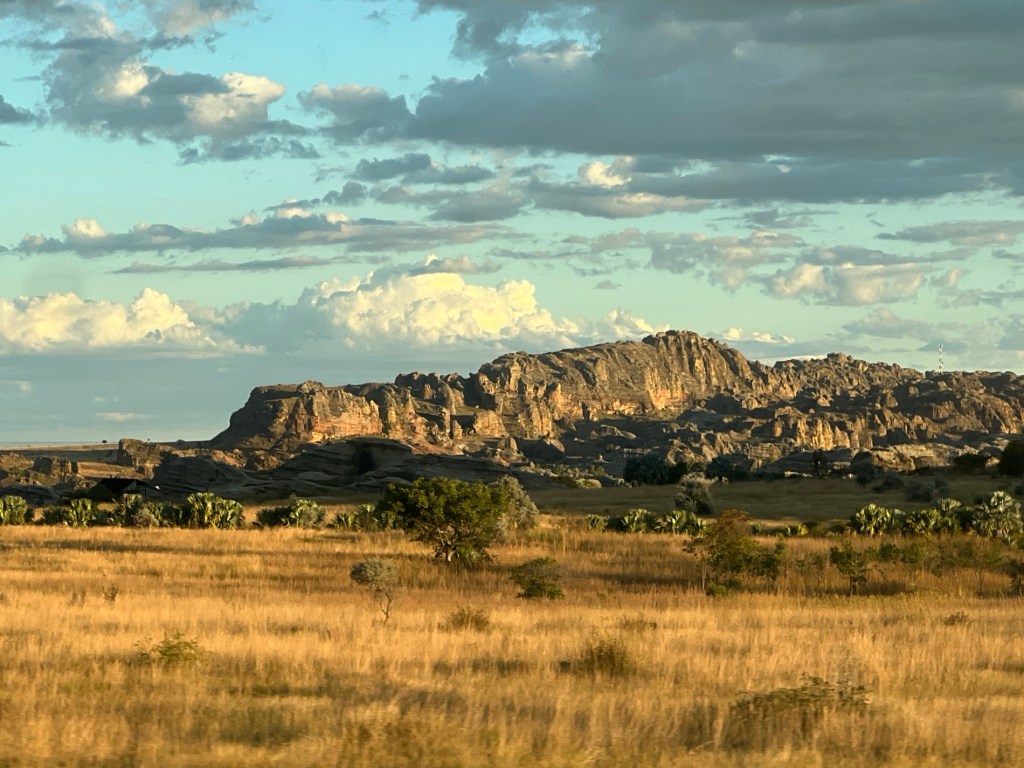
Biggest NP at 81 540sq km. Second NP declared in Madagascar just after independence of Mada in 1962. The very impressive Madagascar Grand Canyon rock formations are made up of Iron, aluminium and sand. They were formed in the Jurassic era. The geology of this area is from breakup off Gondwana land, and these composite mountains and formations are made up primarily of sandstone, aluminium and iron. No mountain climbing due to the fragility of the rocks. There was also river involvement, with river pebbles throughout the rock. No evidence of sea fossils at all.
Philoxylon- branches look like leaves and leaves are the little bits.
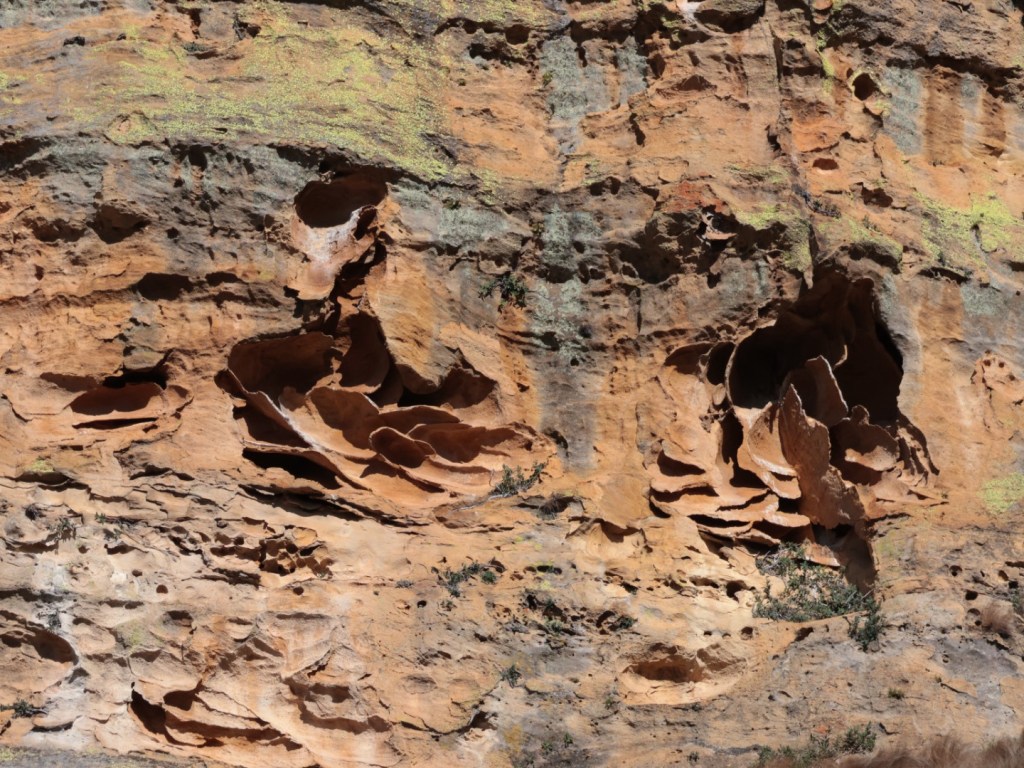
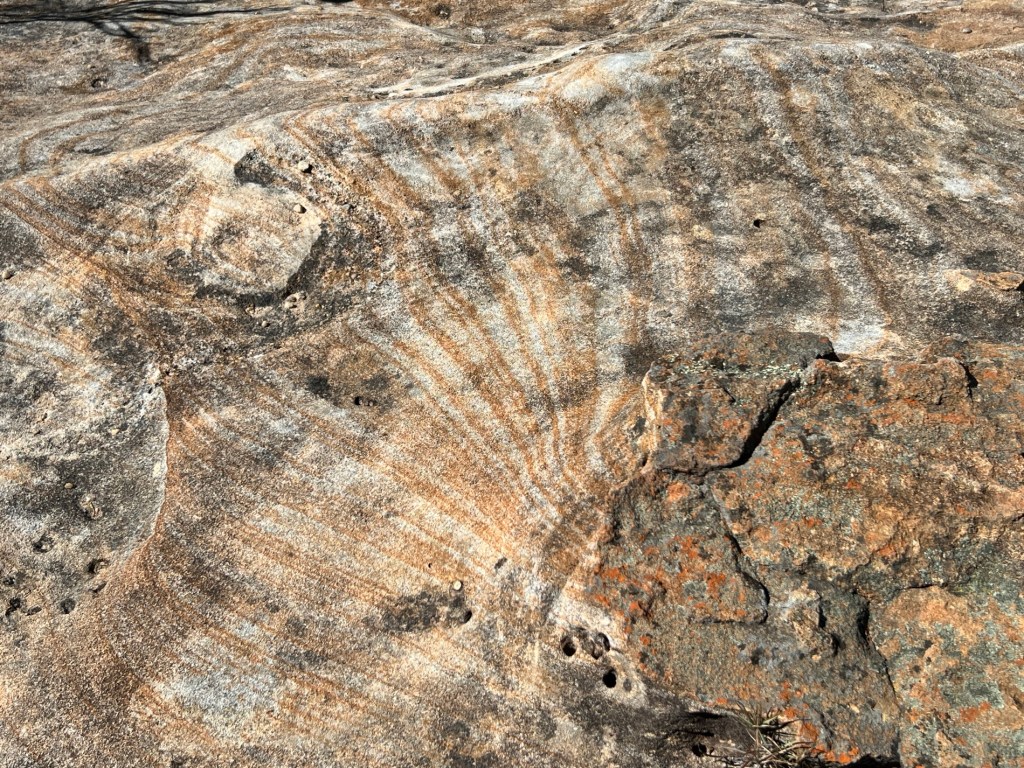
Iron deposits make interesting patterns across the rock
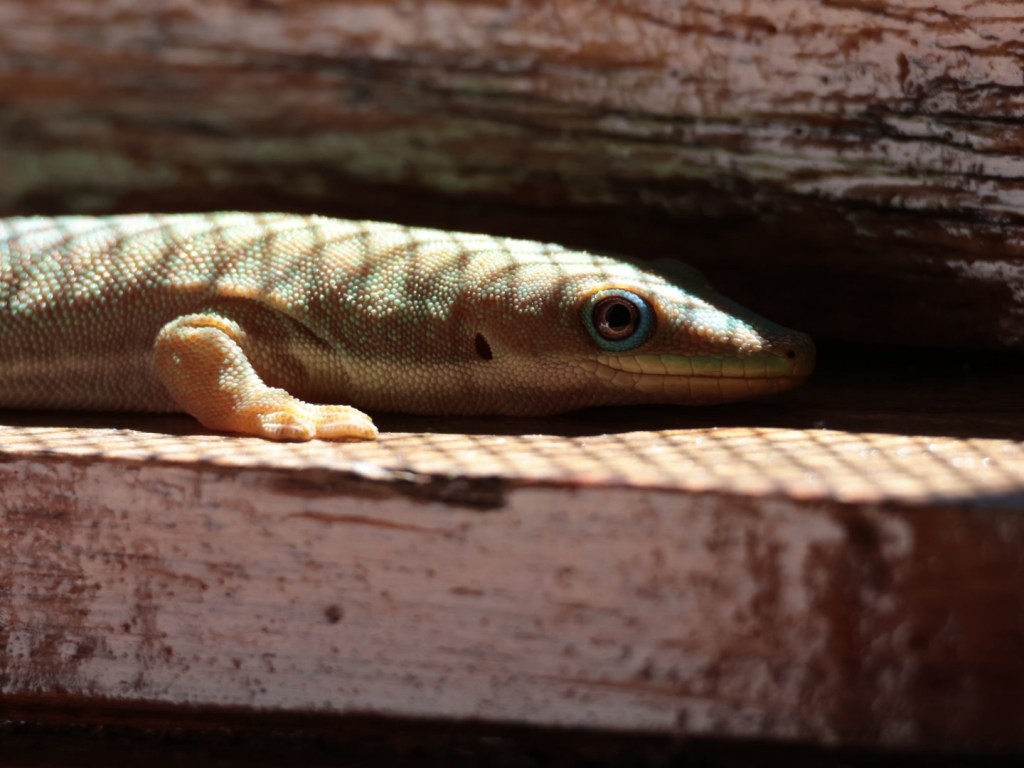
Rock dolly iguana
Female Madagascar rainbow Locust.
Crested drongo
Madagascar Kestrel
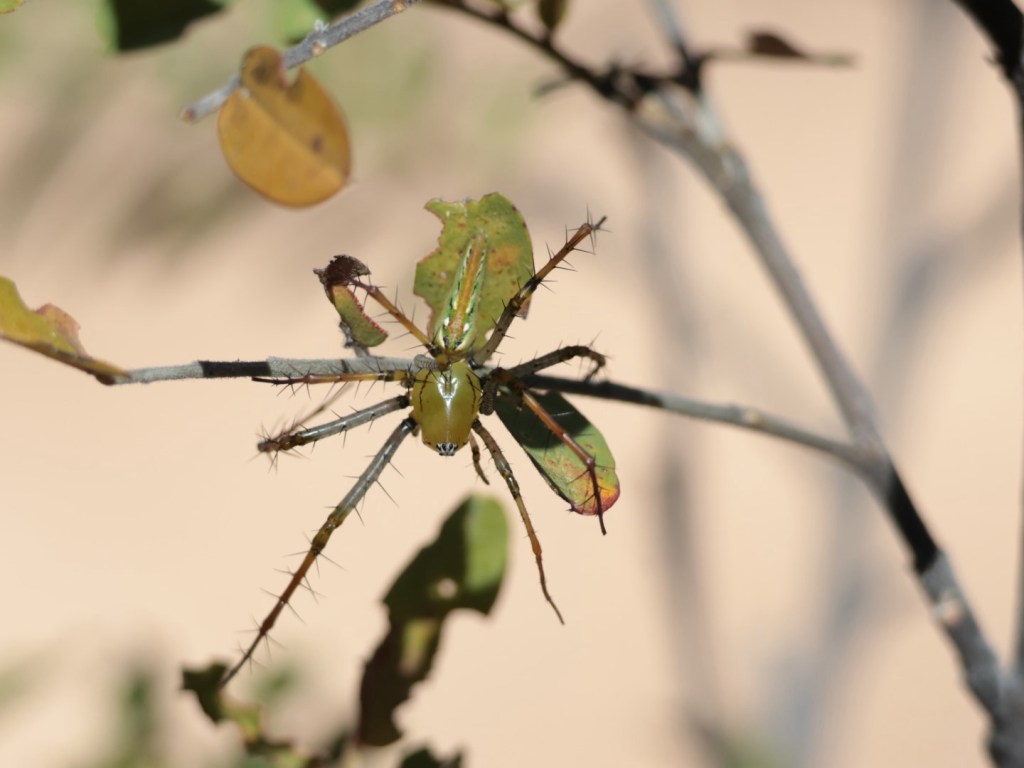
Green lynx spoder
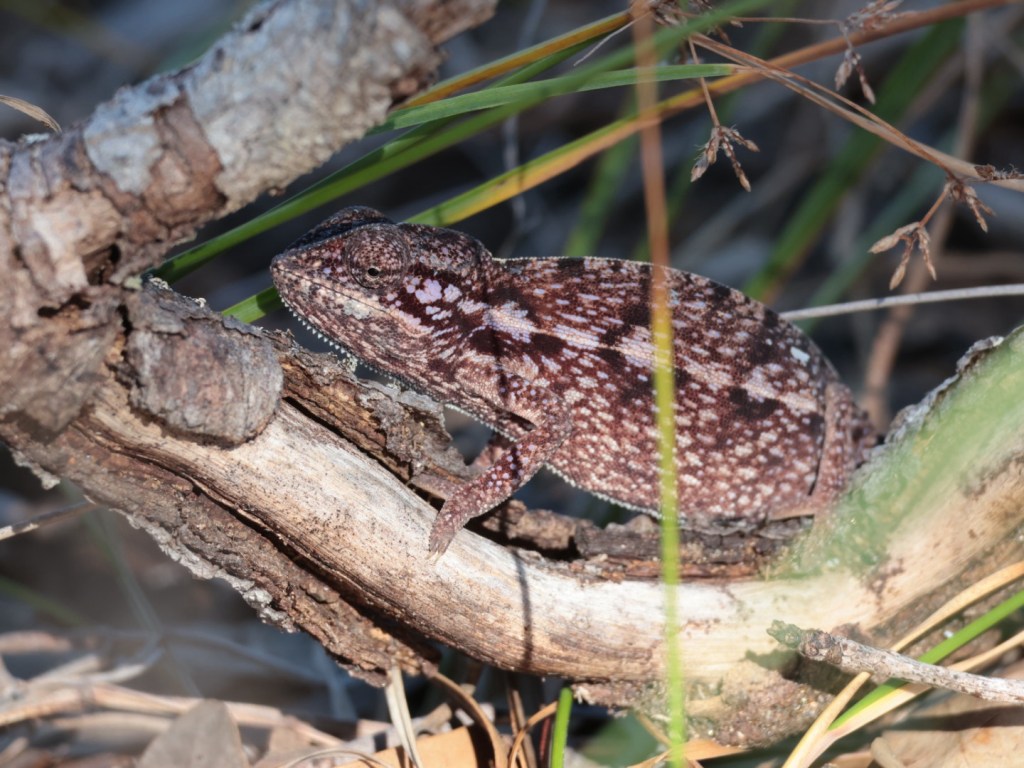
Female jewelled chameleon
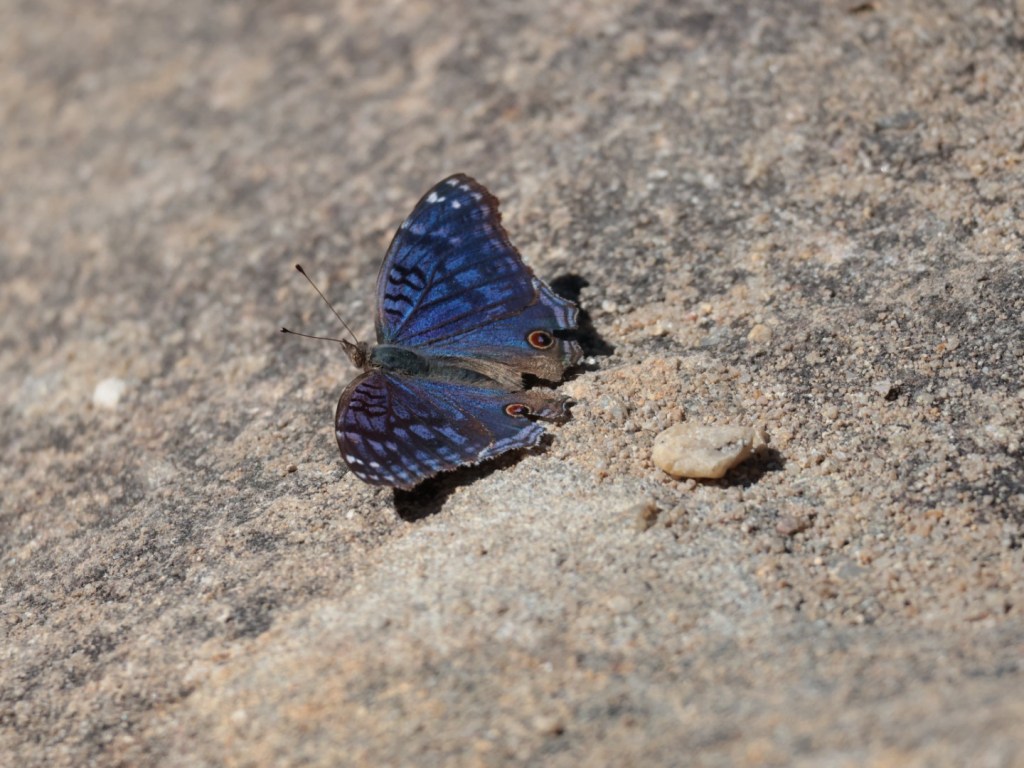
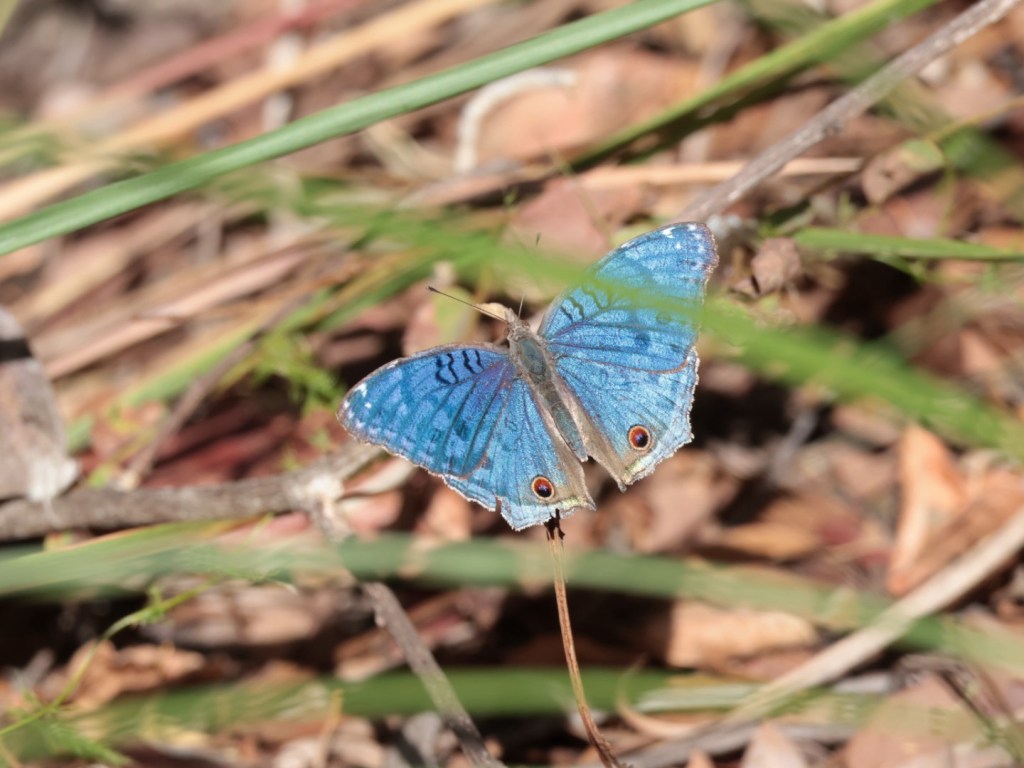
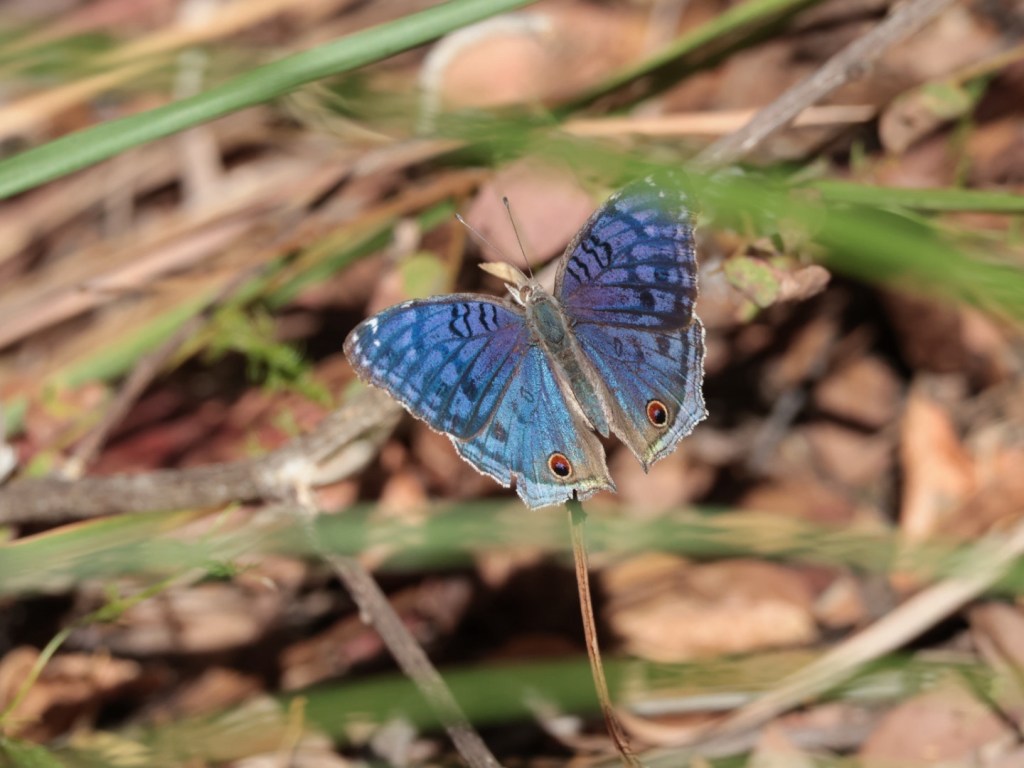
Brilliant blue butterfly (Madagascar has 1/3 of the world’s butterflies)
Oustalet’s Male.
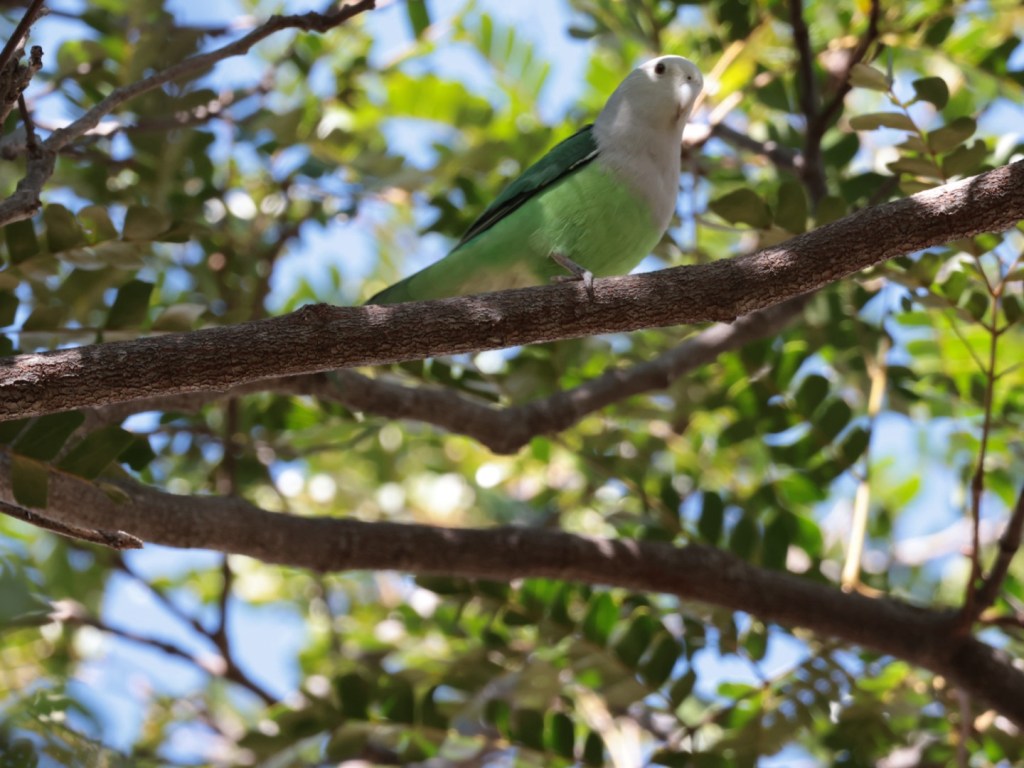
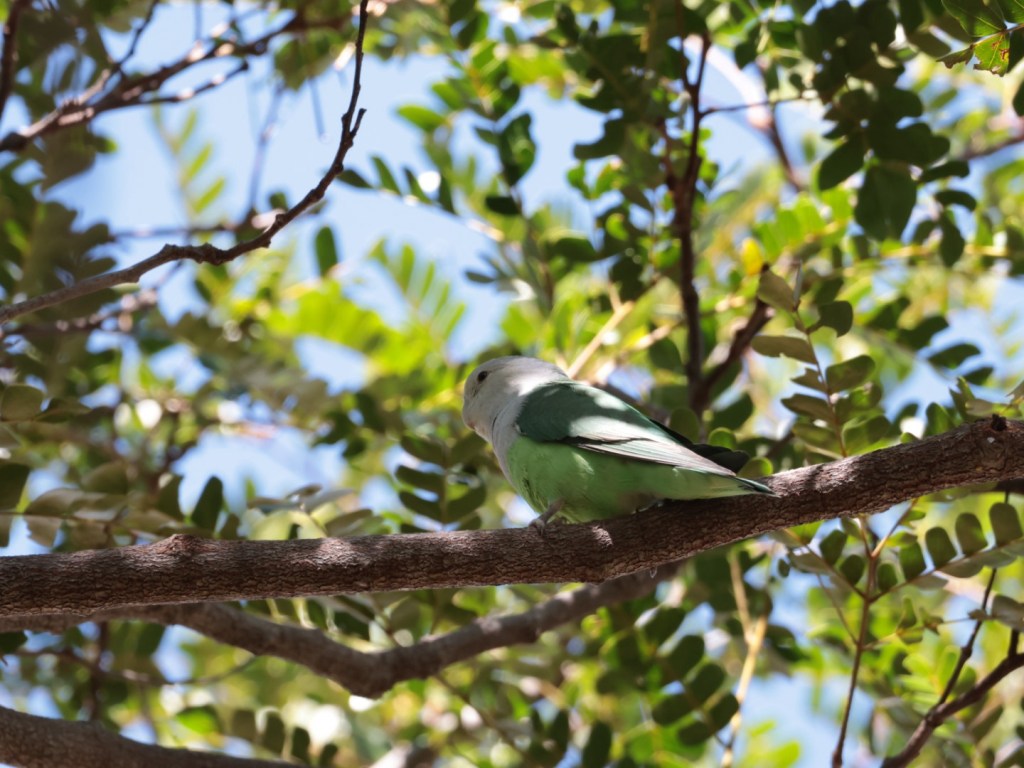
Male lovebird.
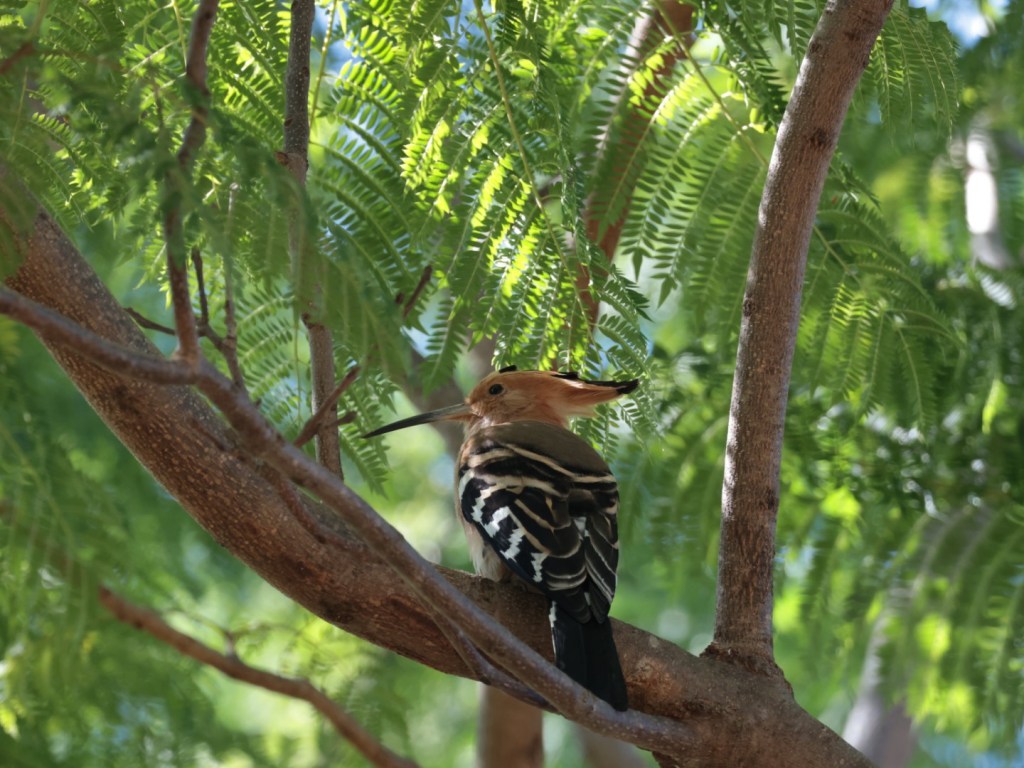
Madagascan Hoopoe
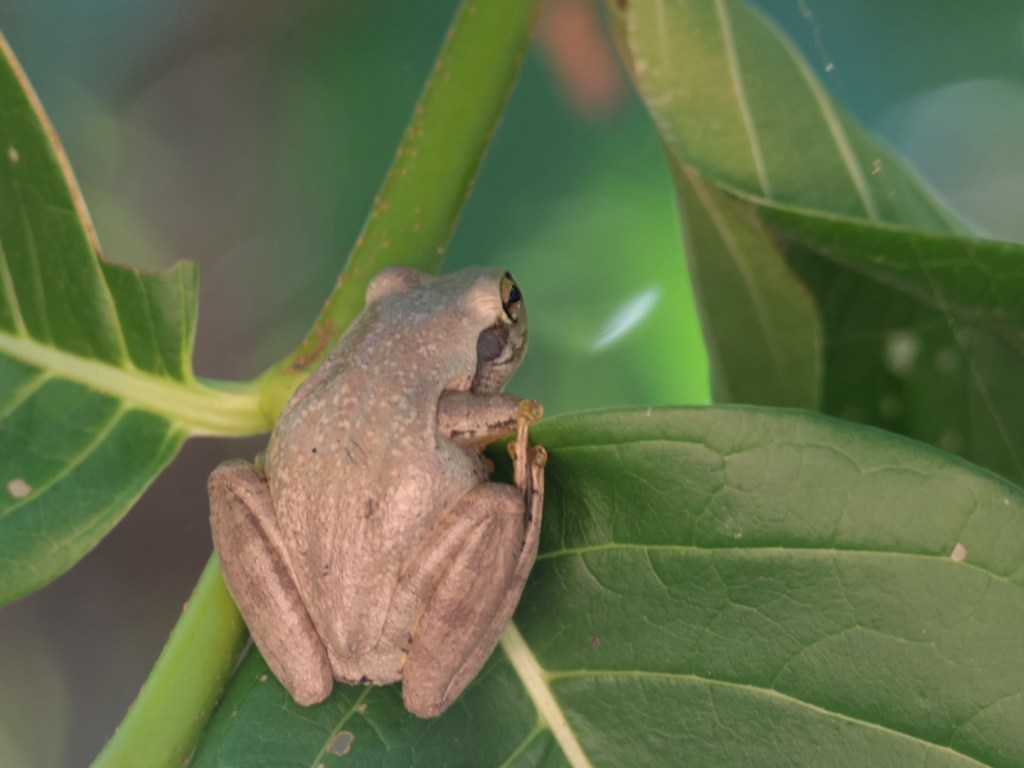
Gold legged tree frog.
Male Oustalet.
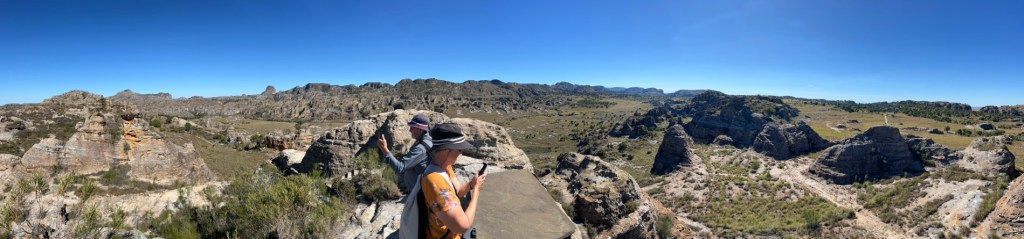
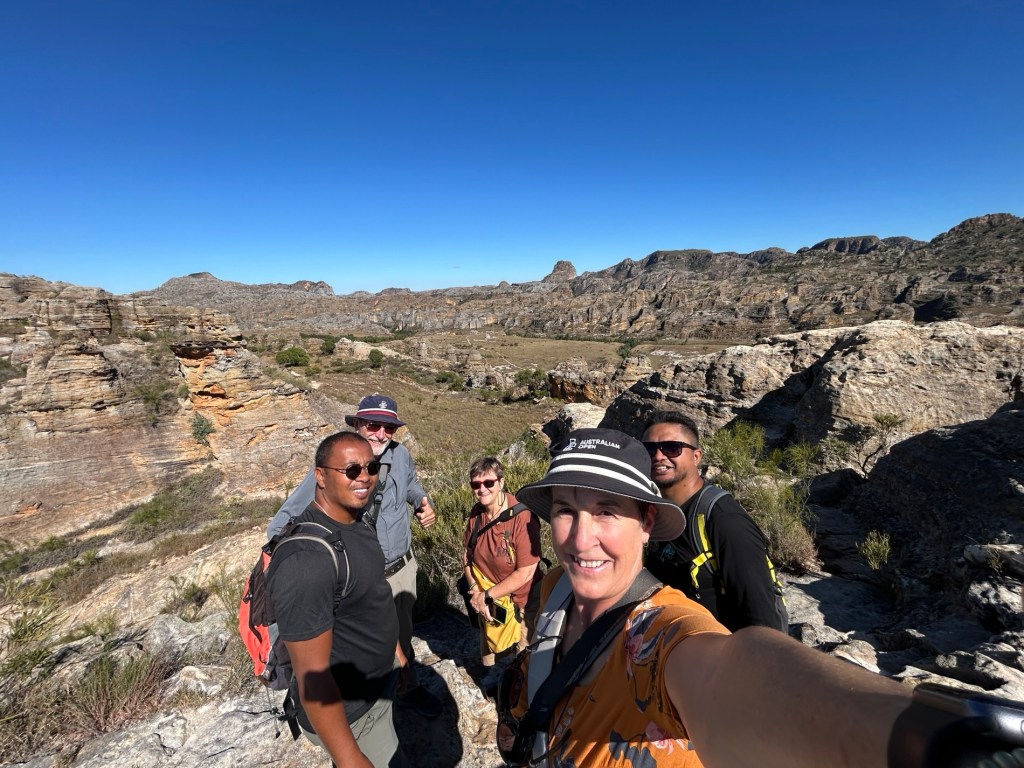
We made it to the top of the rock to look over the view and the canyon and decided not to continue onto the swimming pool as we had spent so much time getting to this point.
We headed back to the van and
made the 20 minute trip out to
the road.
Home to collect Suzie and head out again to a different location in the park for lunch and lemurs.
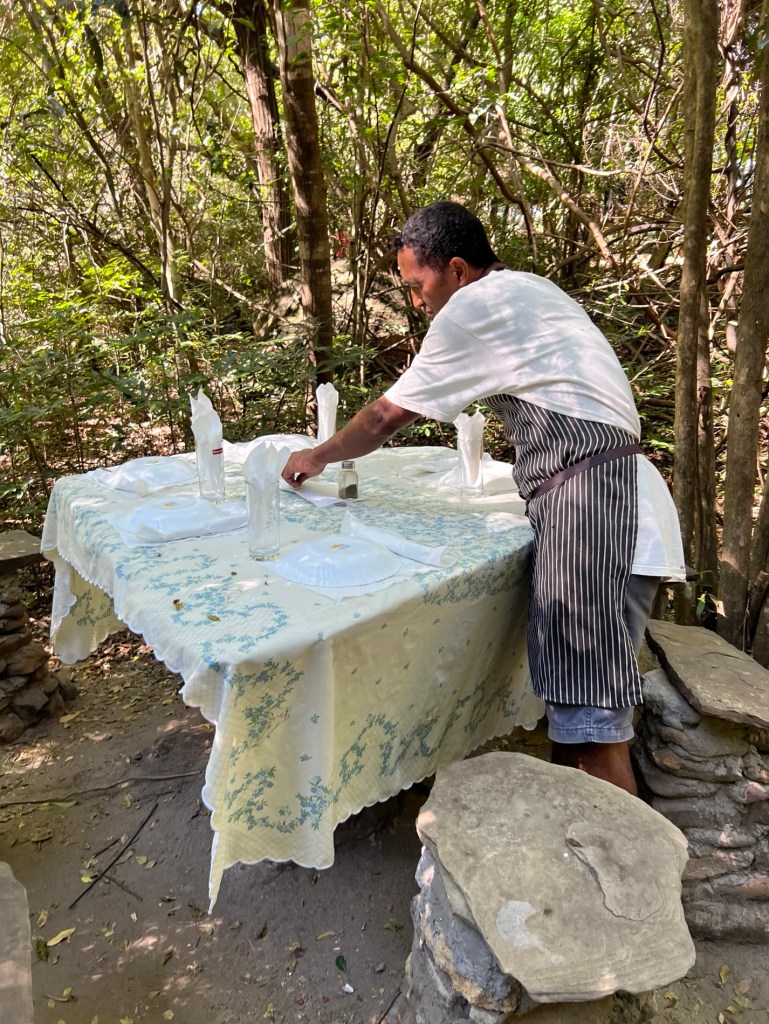
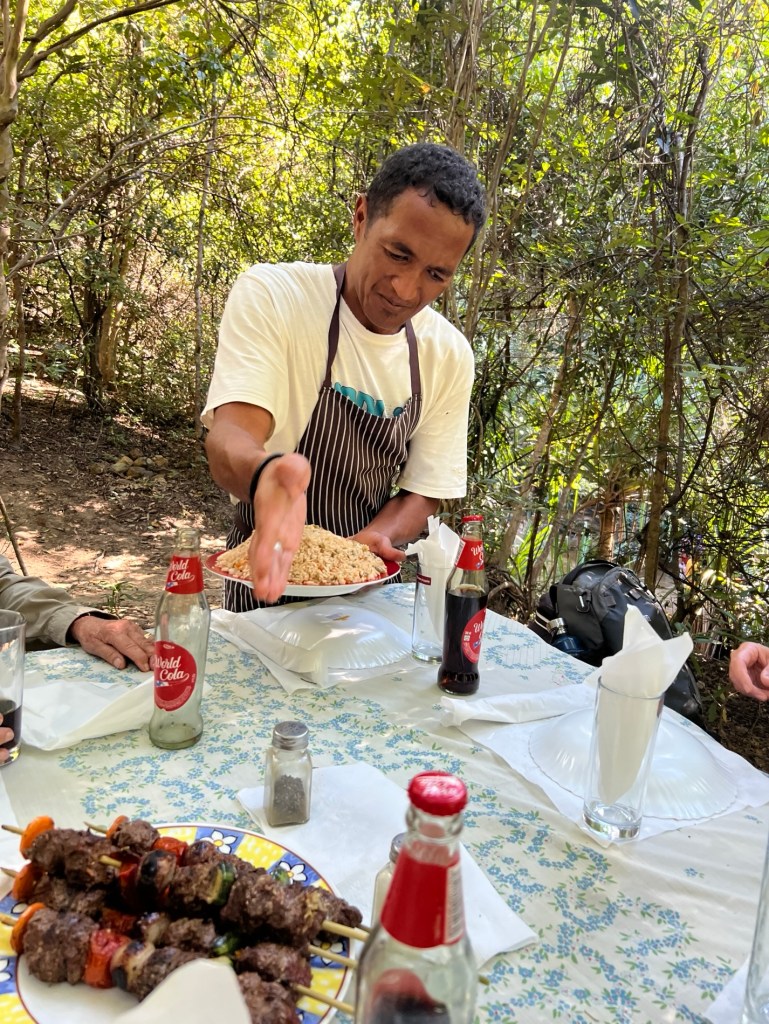
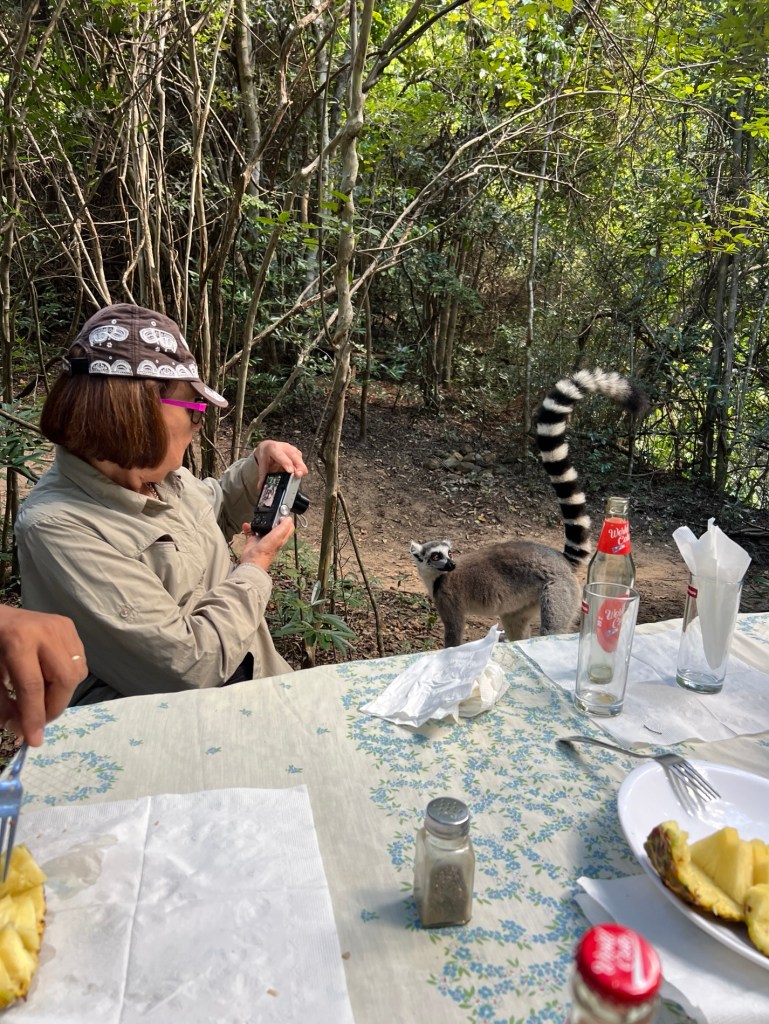
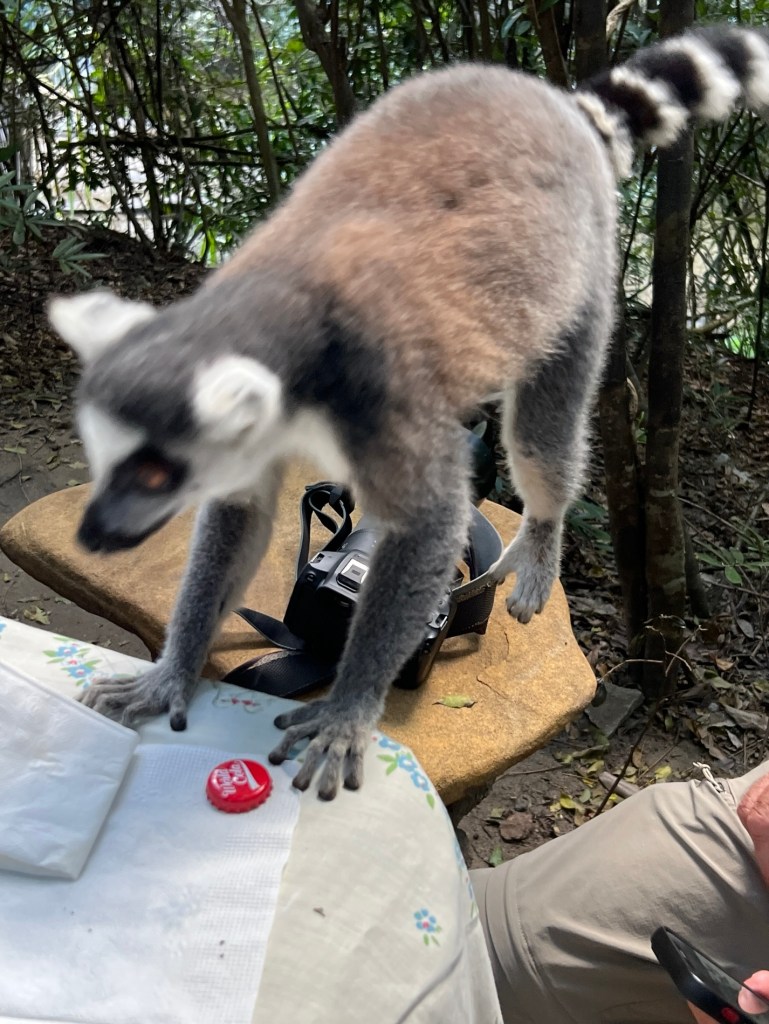
We all had Zebu Skewers with Cantonese rice and fresh pineapple to finish. The lemurs were keen to share, but not allowed.
Shield bug
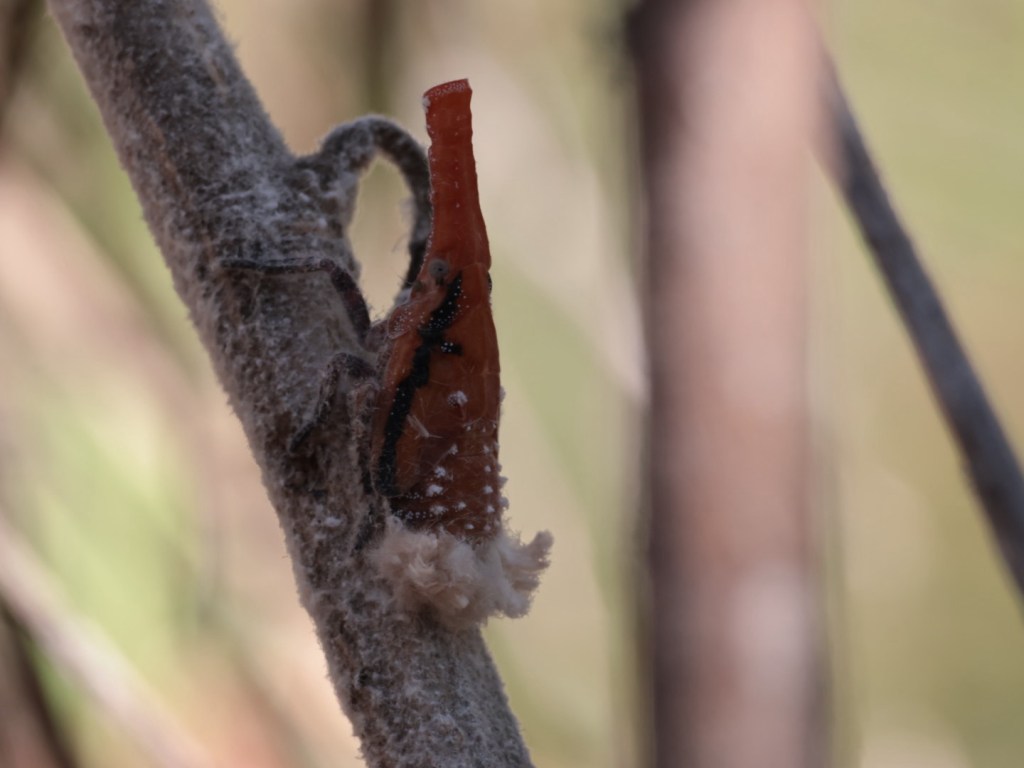
Snout bug – juvenile and adult.
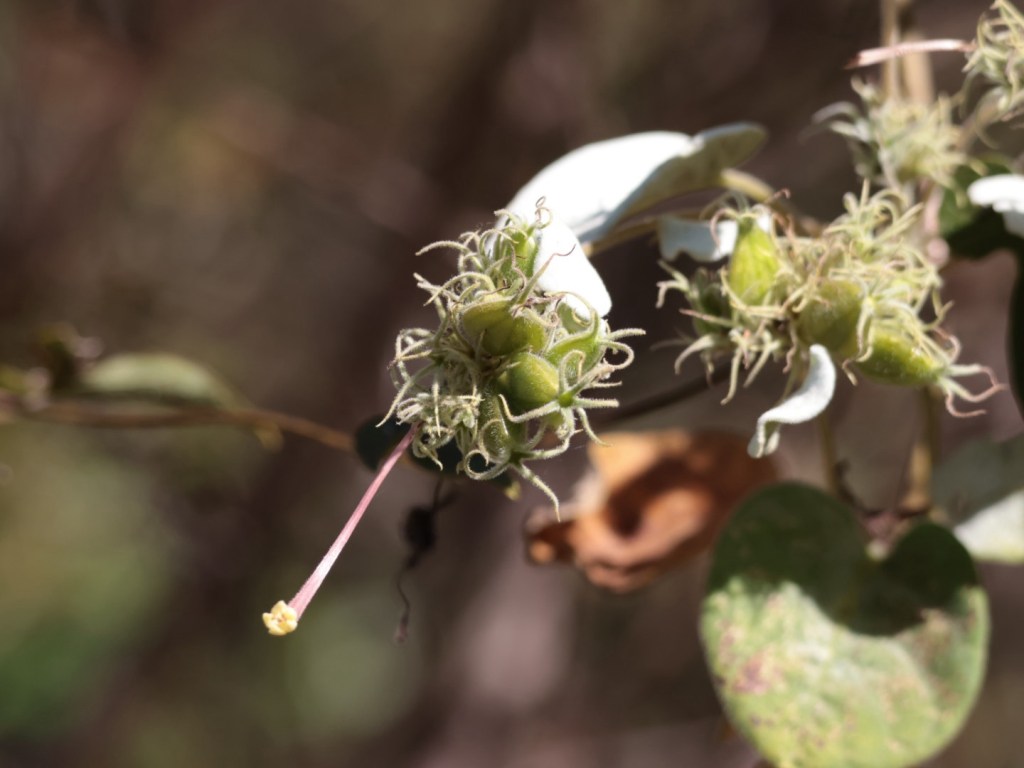
Parrot beak flower.
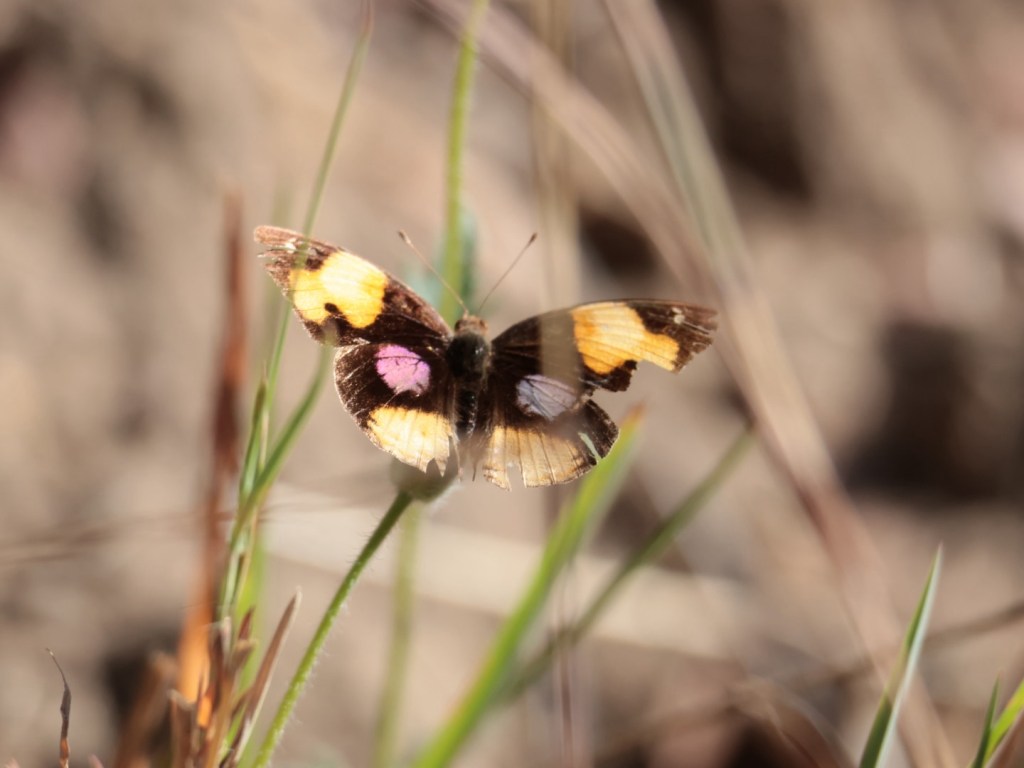
Closed yellow pansy butterfly.
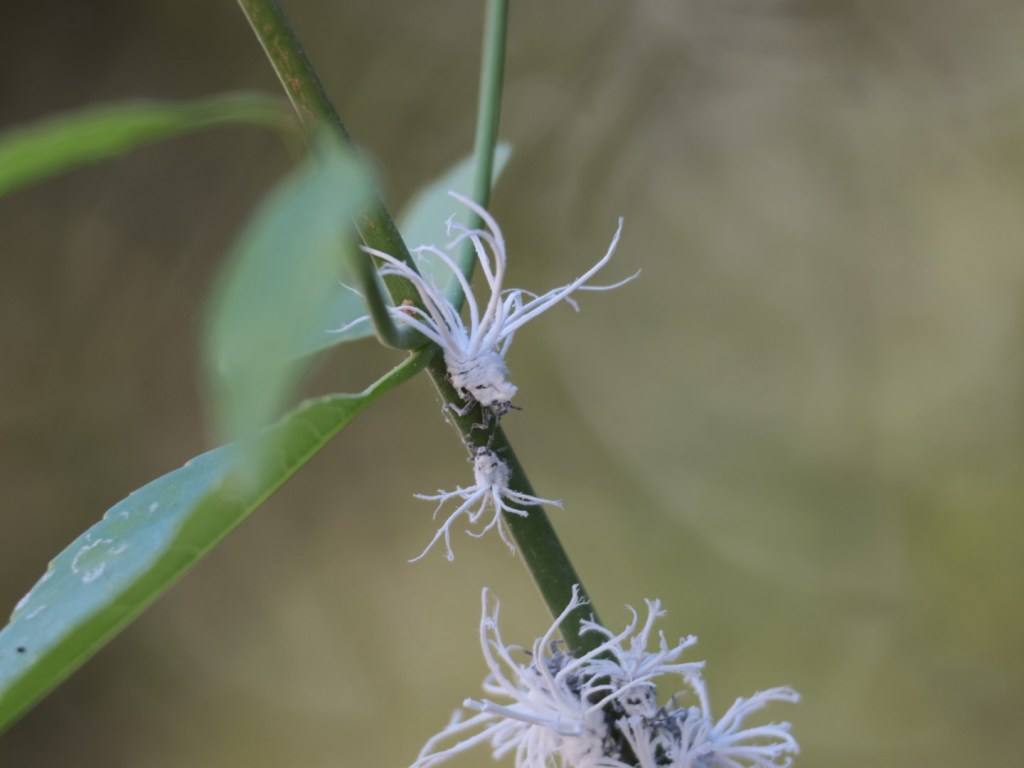
Flatted leaf bug – larvae stage
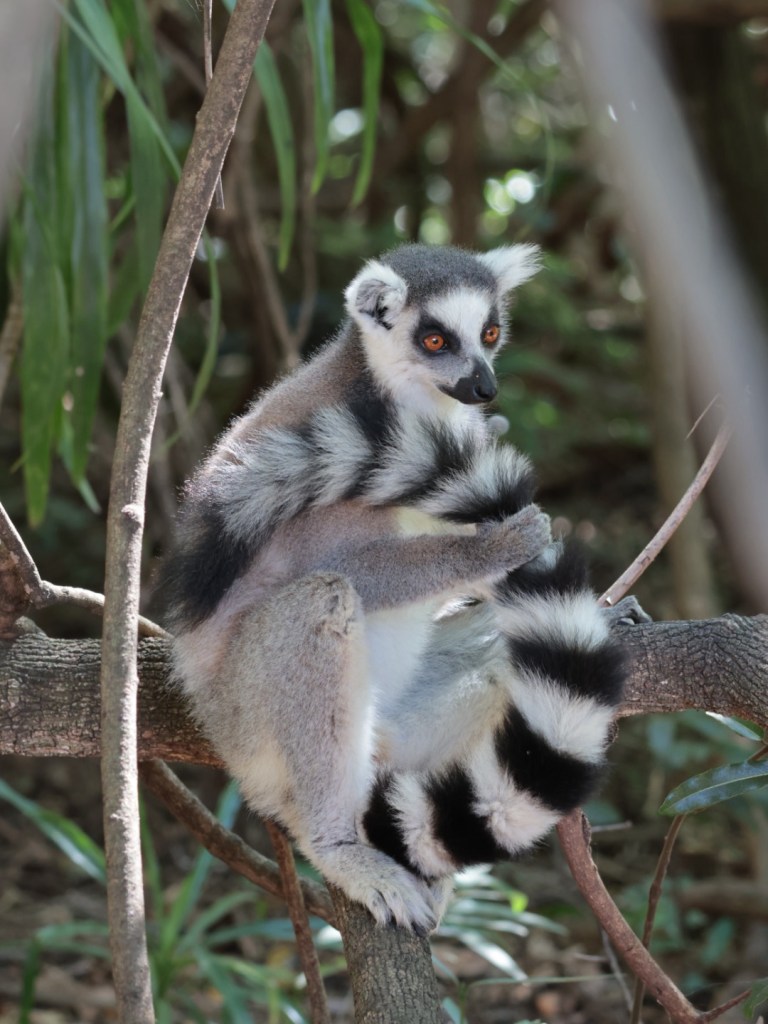
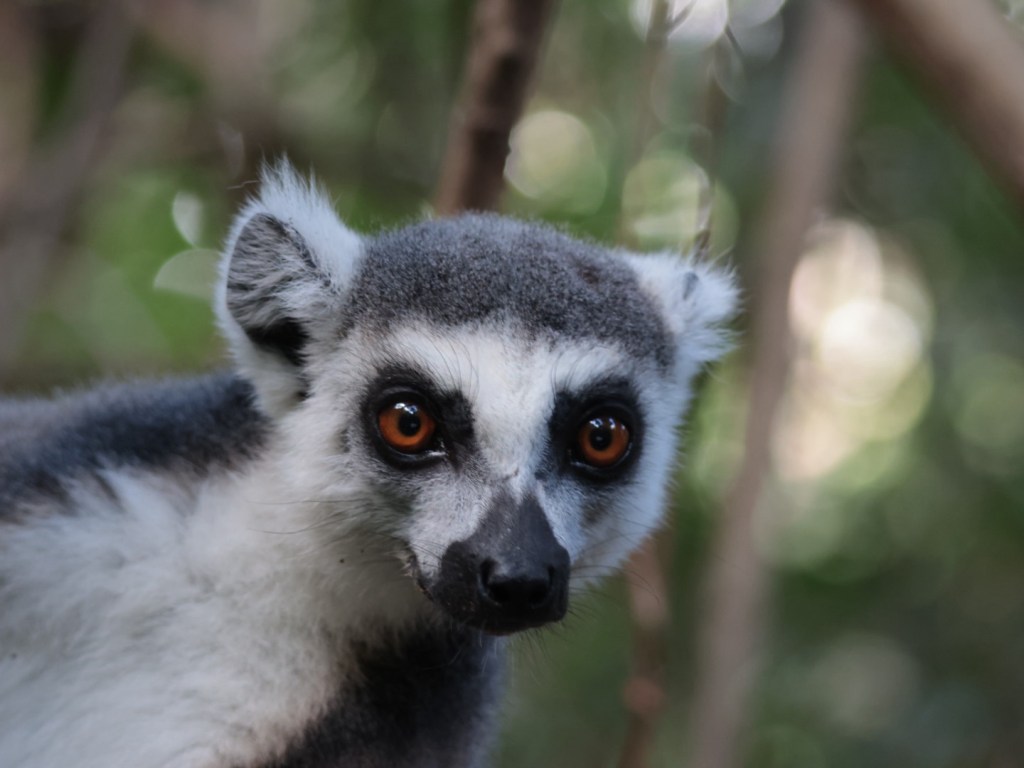
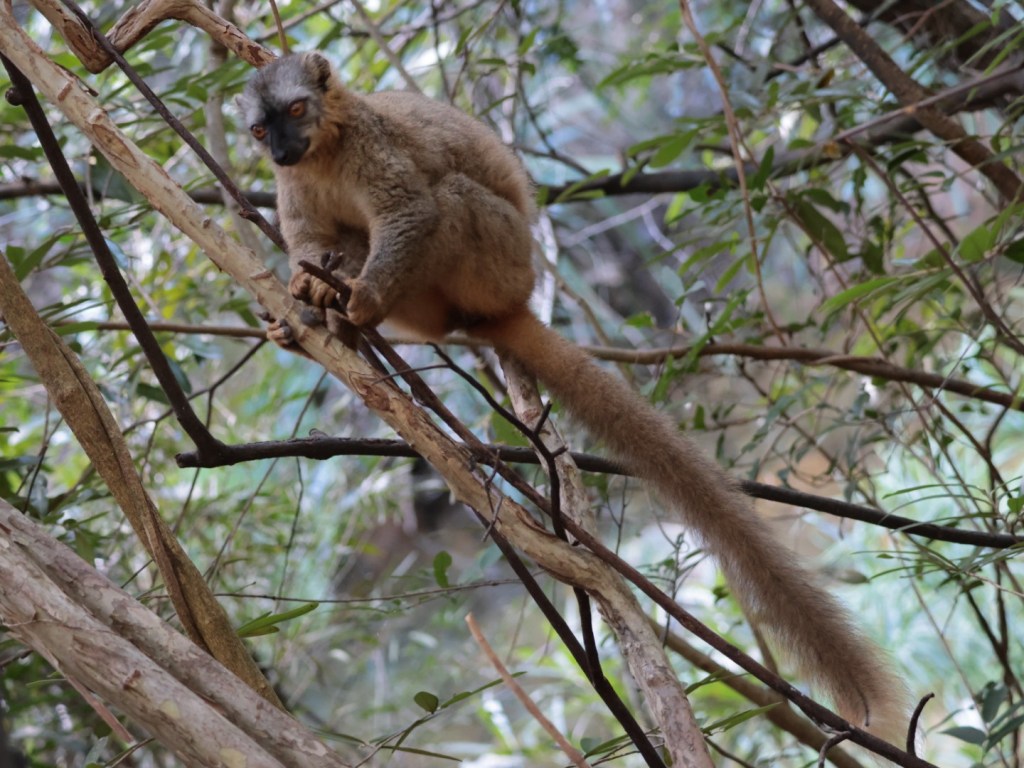
Lunch with the Lemurs. Ringtail, Red Fronted/faced brown lemur.
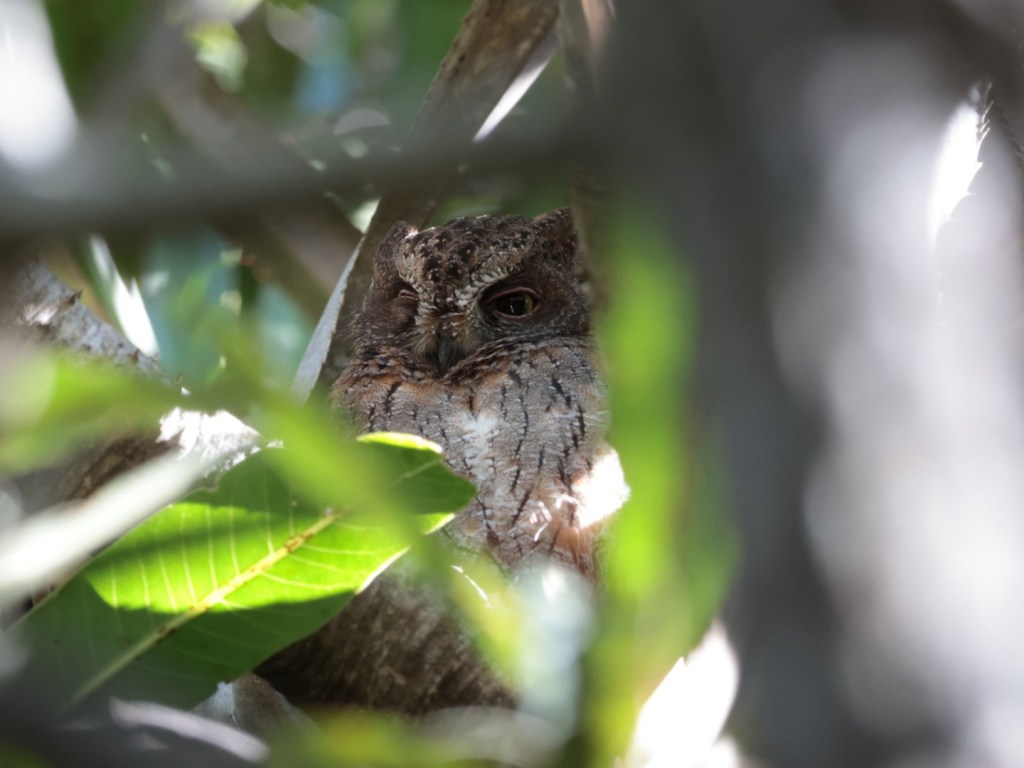
Western Scops Owl.
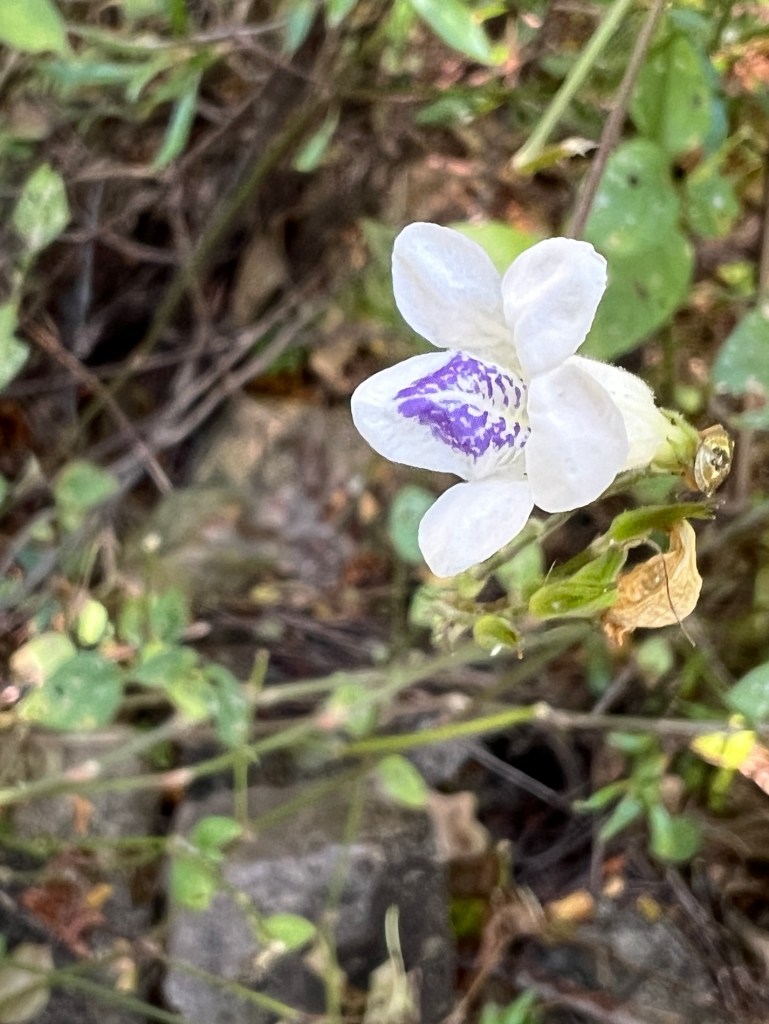
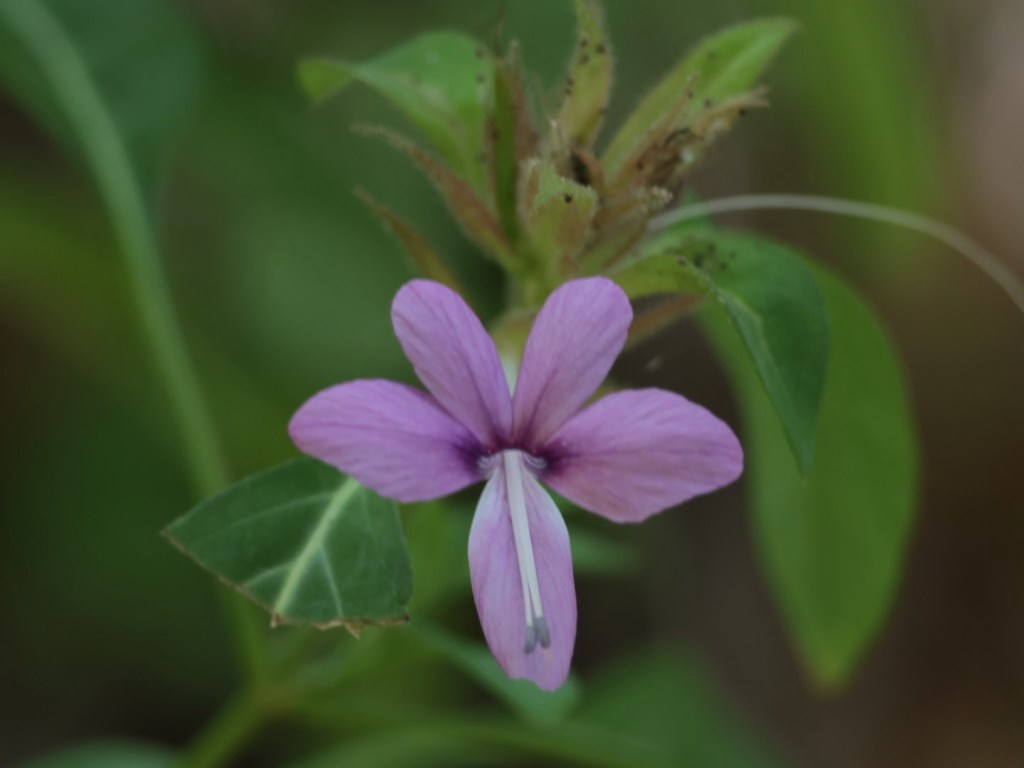
Purple Acanta flower
Brilliant blue butterfly
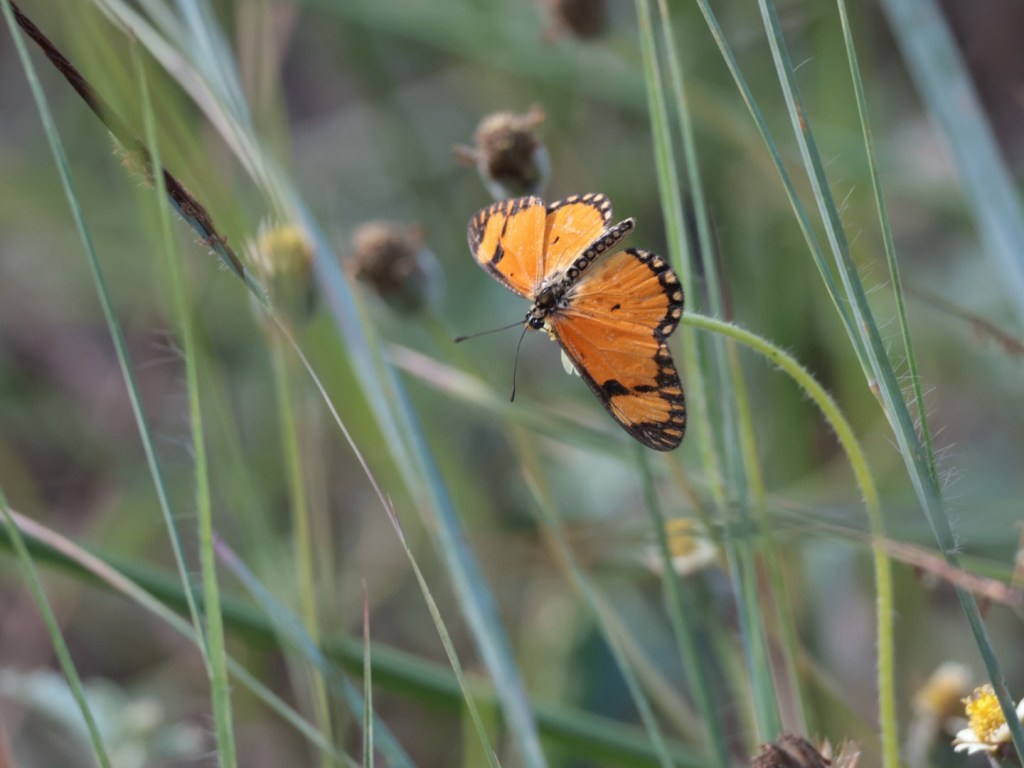
Yellow Pansy butterfly
Tamboru
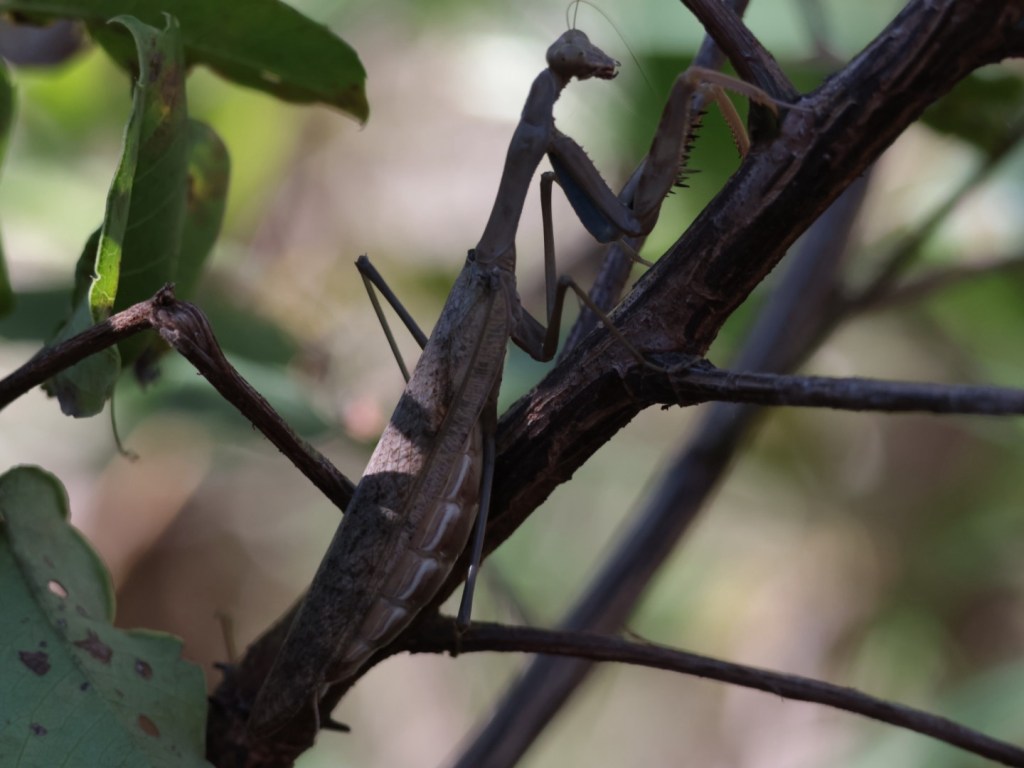
Preying mantis.
Parrot beak flowers.
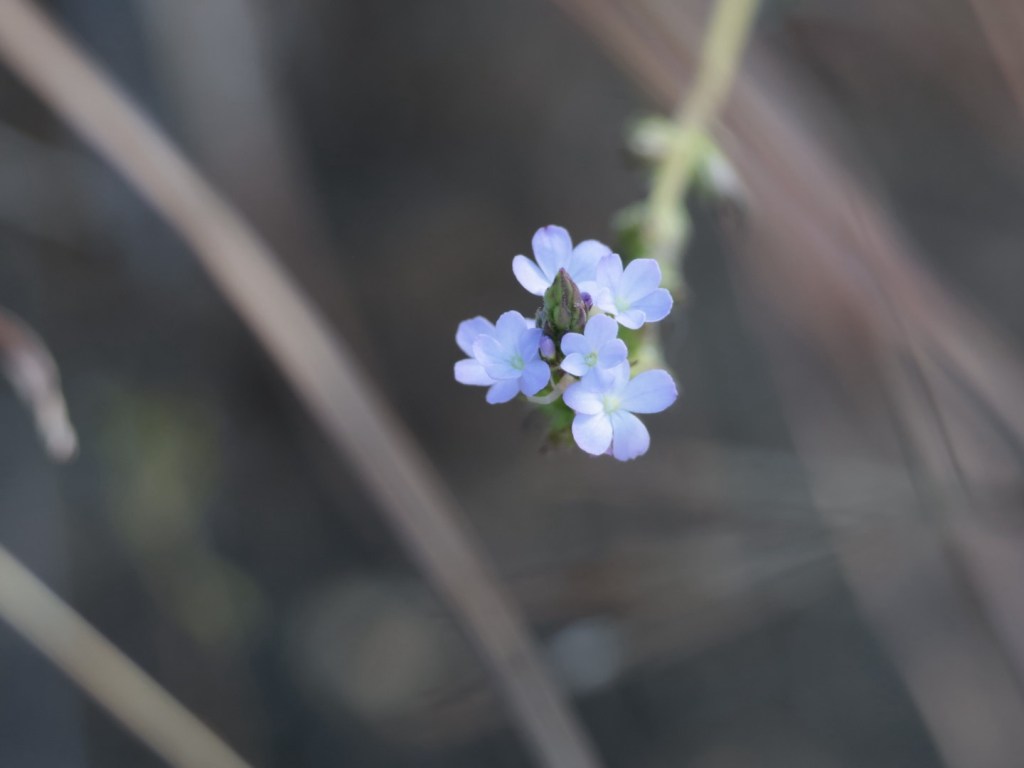
Another tiny purple flower.
Lions paw in Africa and Lions ear here. Good for toothache.
We took both Nairin and our chef back to the Village so our little van was full.
We opted for a quick swim to revive (Mary, Phil and I)
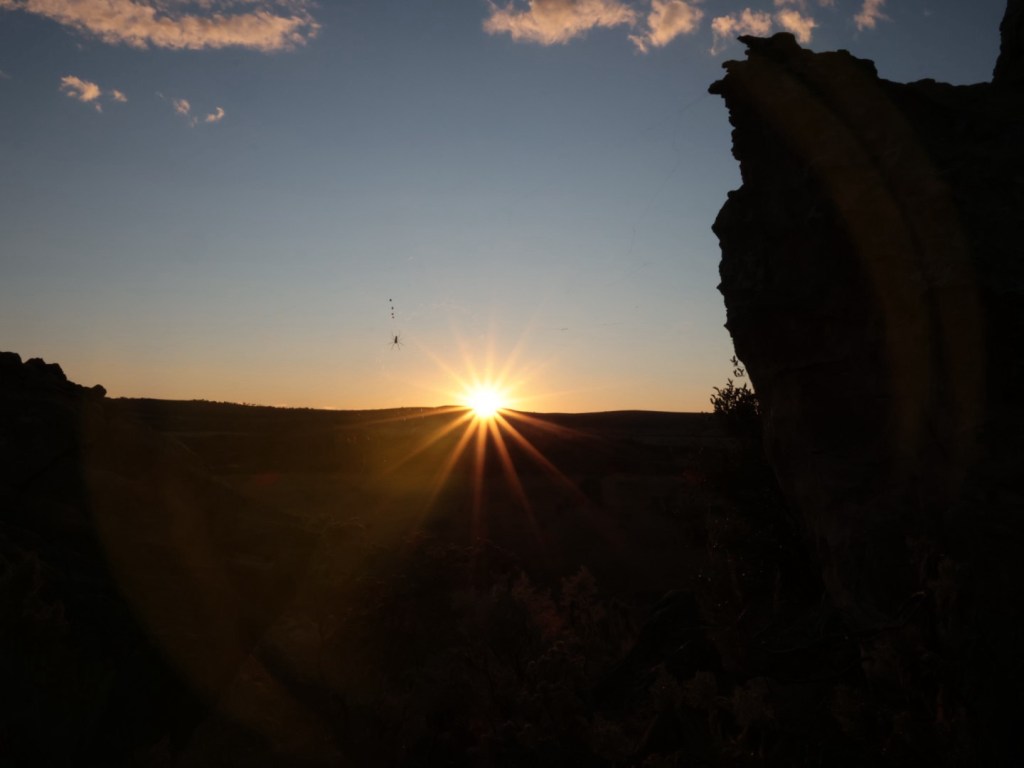
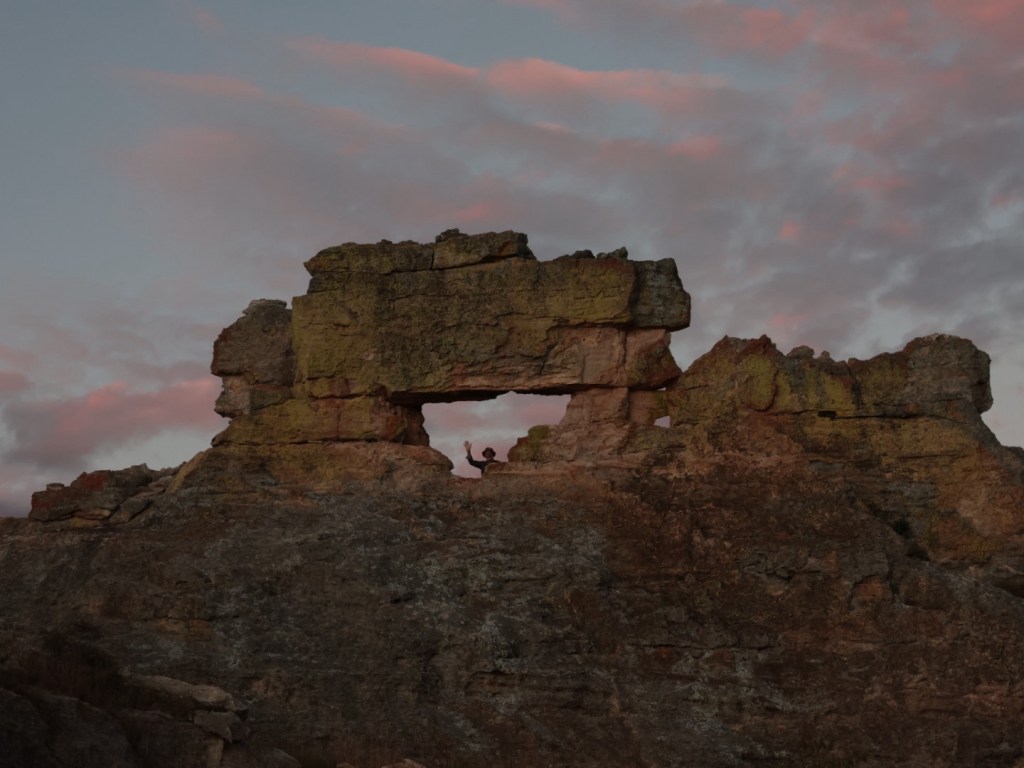
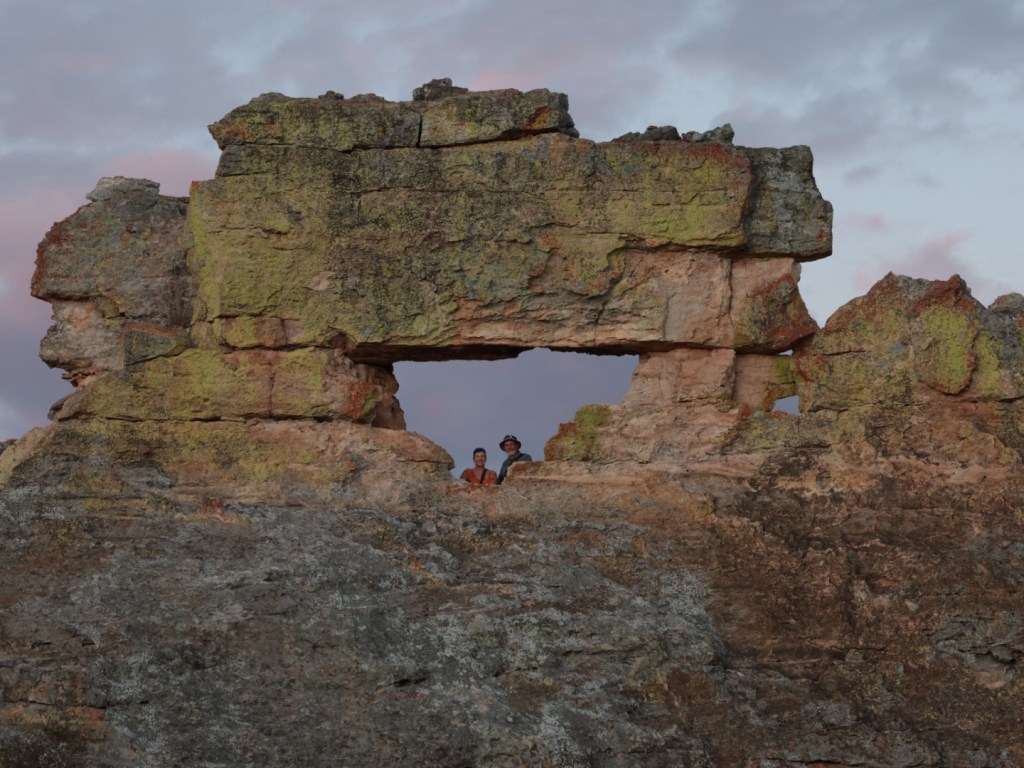
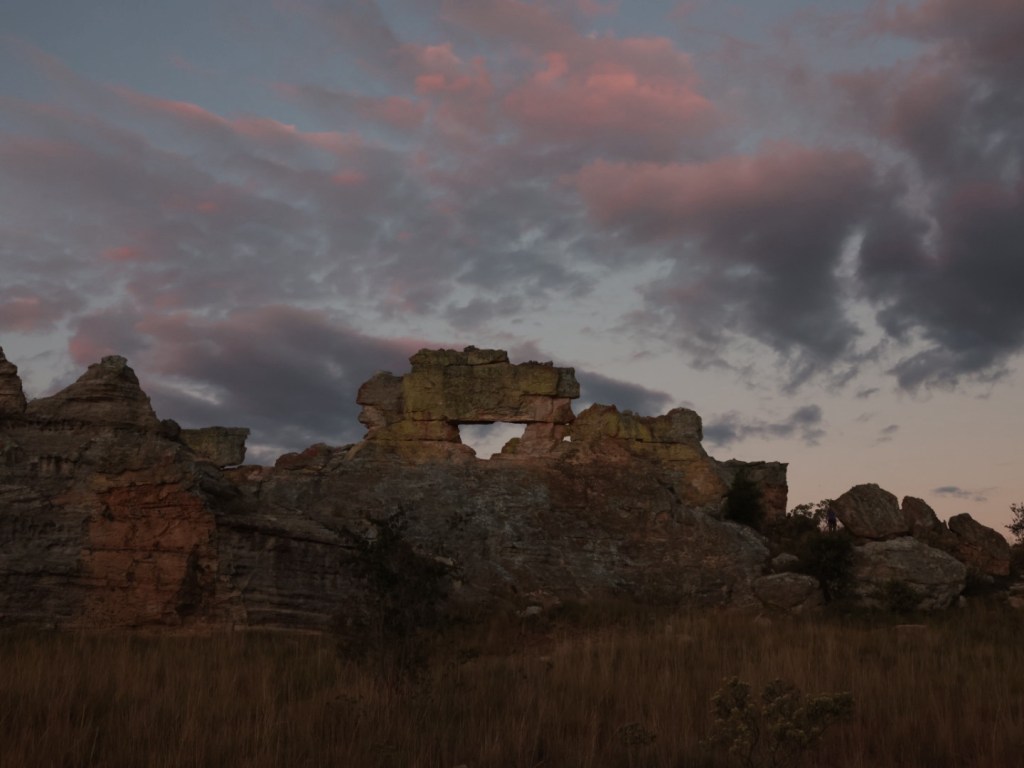
Then we left again at 5:45 for sunset at “The window”.
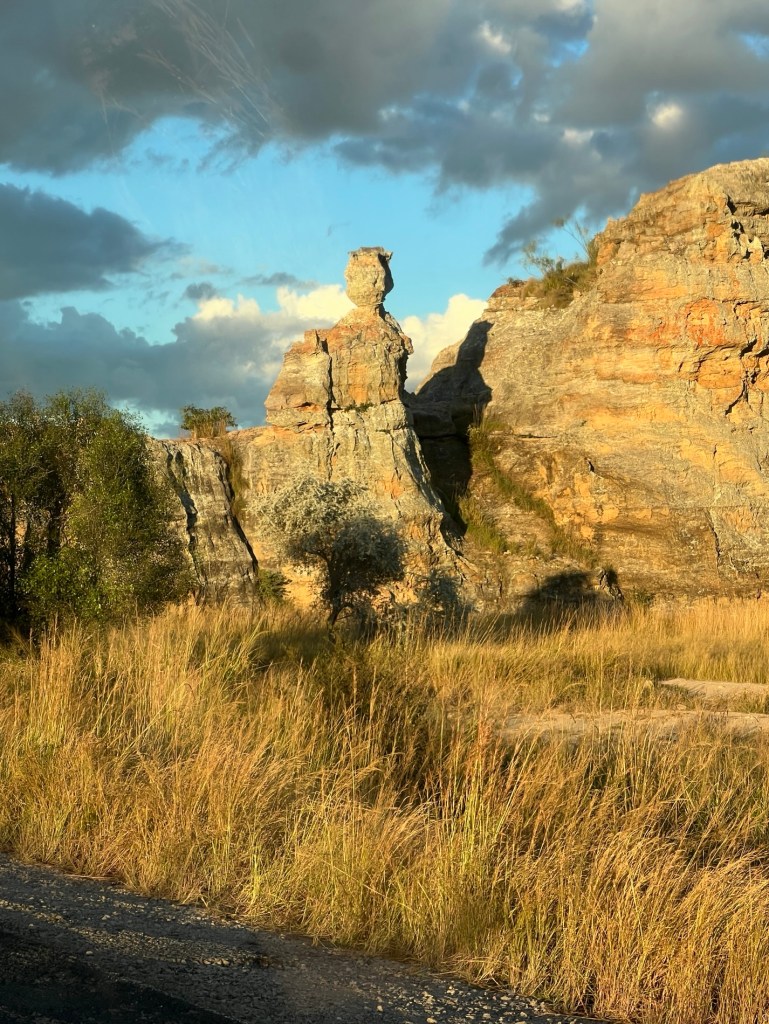
On the way we passed a rock formation called the Queen of the South.
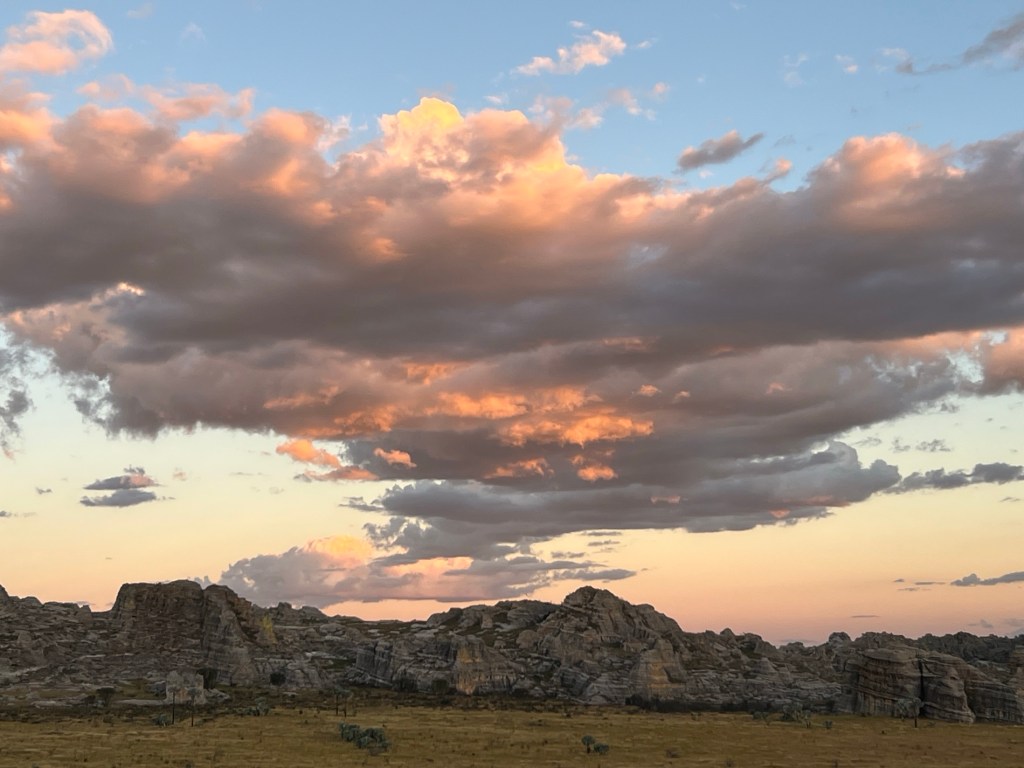
There were quite a lot of people at the window so we couldn’t really see the sun through it. Some nice golden hour colours on the rocks.
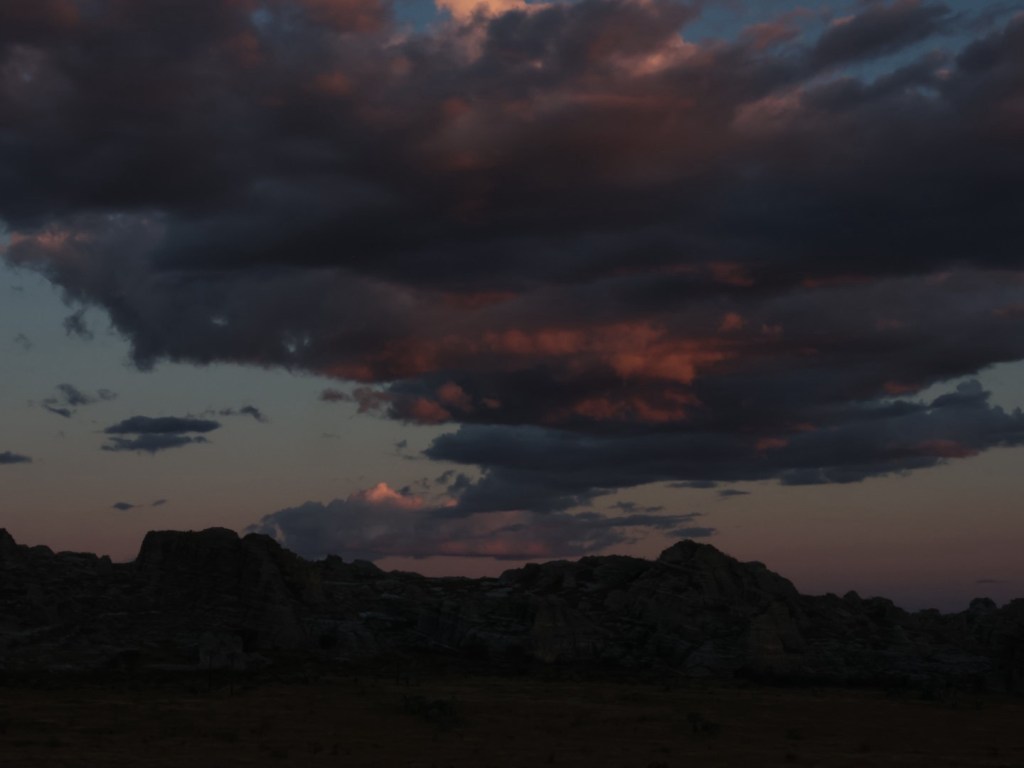
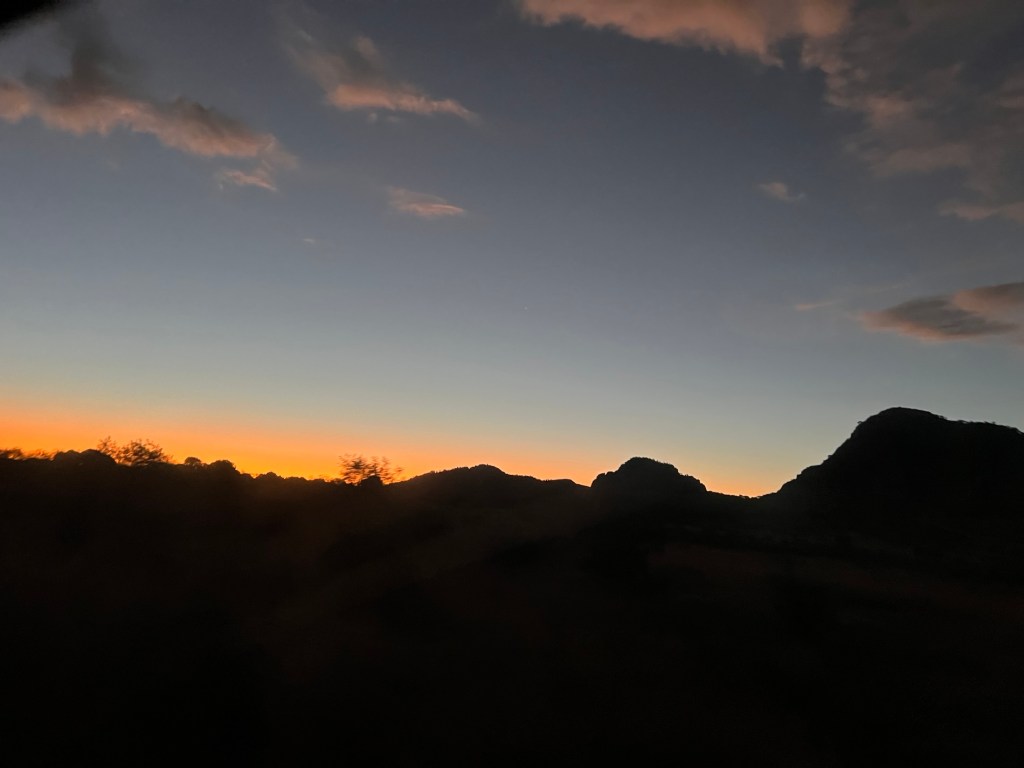
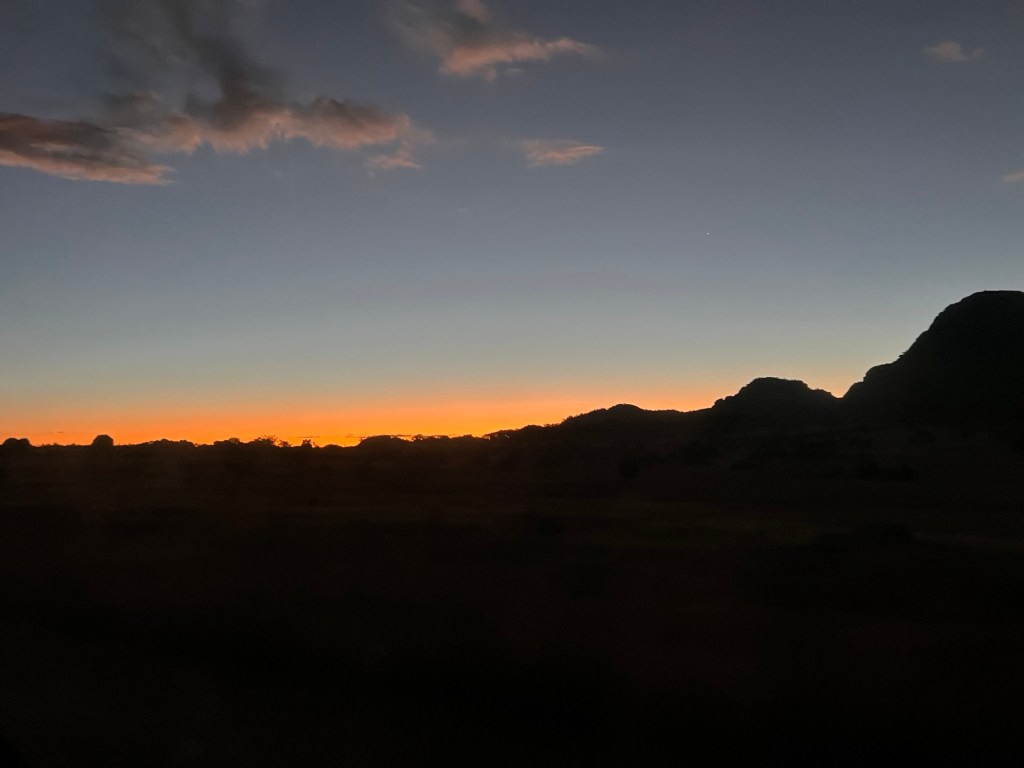
Unfortunately the best of the orange colour was on our way home in the car. Which were impossible to capture at speed and the trip home was just a little too long to catch it from the lodge.
Some pic backing up etc before dinner at 7 and off to pack and prep for a 6:30 breaky in the am.
 Travel adventures with Nicola & co.